

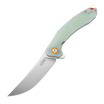
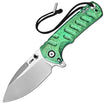

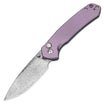

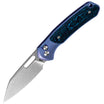
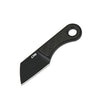
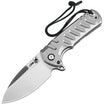
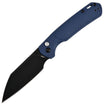
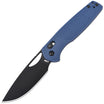
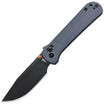
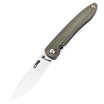
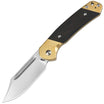
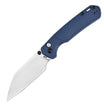
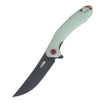
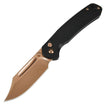
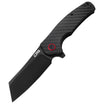
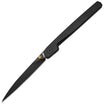
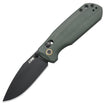
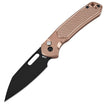
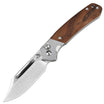
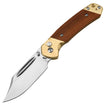
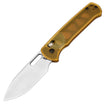
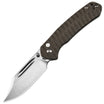
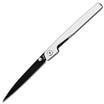
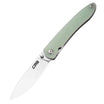
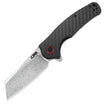
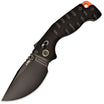
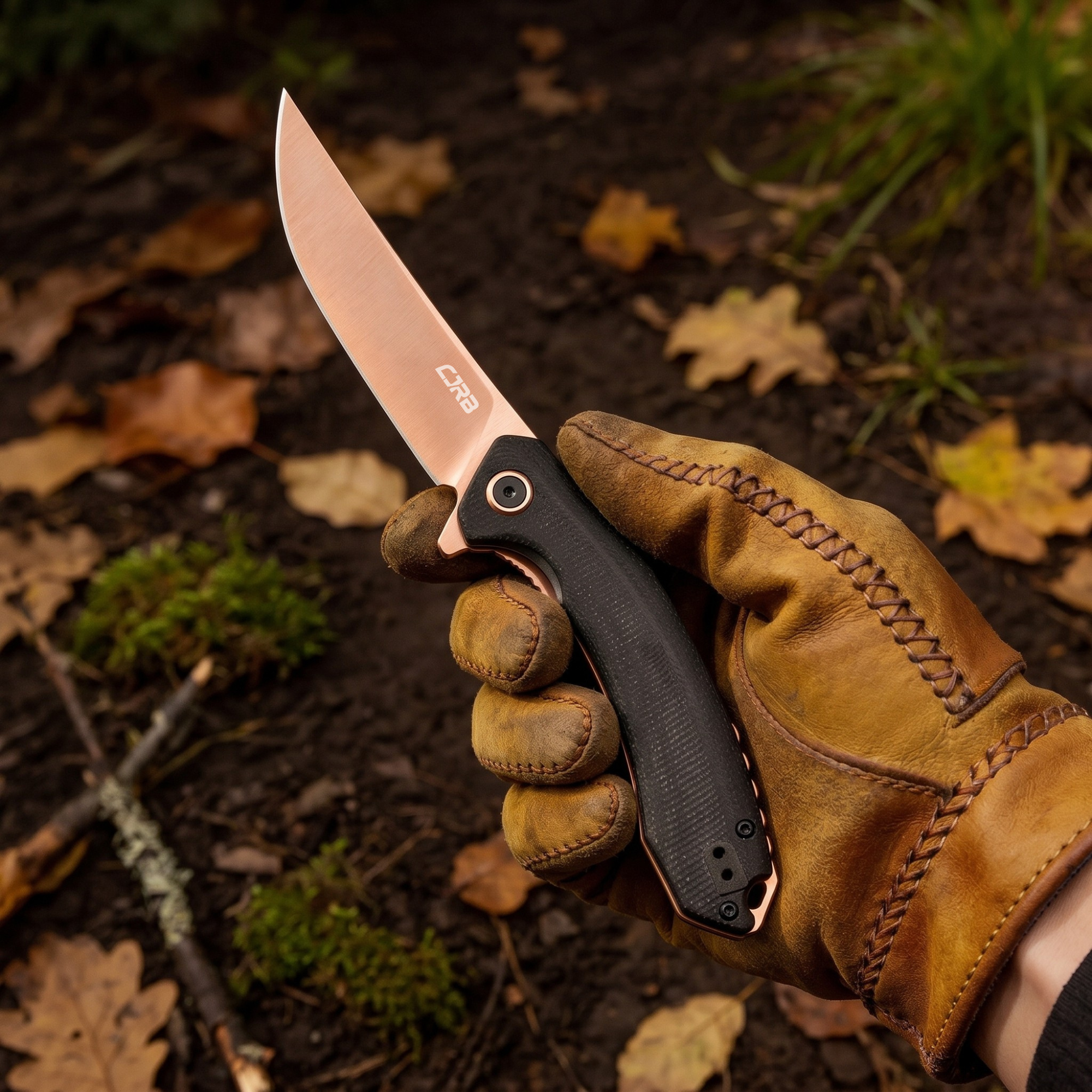

Consider an outdoor enthusiast excitedly packing a brand-new, aesthetically pleasing pocket knife for a highly anticipated weekend camping trip. Out of the box, the blade looks pristine, gleaming in the light, and feels razor-sharp to the touch. The expectations are high. However, reality sets in quickly at the campsite. After whittling a few pieces of dense oak to start a campfire and aggressively slicing through some dirty utility rope to pitch a tent, the blade's edge becomes completely deformed. When the time comes to prepare dinner, the knife is so dull that it cannot even pierce the delicate skin of a simple tomato, crushing the fruit instead of slicing it.

This frustrating, all-too-common scenario highlights a fundamental truth of the everyday carry (EDC) and outdoor gear world: selecting a knife based purely on its handle design or overall shape is a recipe for disappointment. Without understanding the metallurgy of the blade, choosing the proper tool for the job is virtually impossible. A knife is only as capable, reliable, and enduring as the specific steel it is crafted from.1
Originally a term used by ancient alchemists attempting to extract precious metals from rocks, modern metallurgy encompasses a vast, highly complex host of science and engineering disciplines dedicated to studying, testing, and creating specialized metal alloys.1 In the modern cutlery industry, "blade steel" refers to a constantly expanding and evolving list of materials that possess unique chemical and physical properties engineered specifically for cutting tools.1
Navigating the current market requires a comprehensive Knife Steel Guide to translate complex scientific data into practical, understandable performance metrics. This expansive educational report serves as Blade Steel 101, breaking down the foundational principles of knife metallurgy into easily digestible concepts. By examining the intricate balance between edge holding, physical durability, and rust resistance, this guide explores how advanced manufacturing processes—such as modern spray forming—have completely revolutionized the knife industry. Furthermore, it highlights how proprietary alloys like AR-RPM9 provide the Best EDC Steel experience by bridging the historical gap between budget-friendly materials and incredibly expensive premium super steels.
The Steel Triangle: Decoding the Core Performance Metrics
To properly evaluate any knife steel, the cutlery industry and metallurgical scientists rely on three primary pillars of performance: Edge Retention, Toughness, and Corrosion Resistance.2 These three attributes form what is commonly referred to in the knife community as the "Steel Triangle".2

The fundamental rule of metallurgy—and the most important lesson for any knife beginner to learn—is that these properties are inherently intertwined in a strict game of give-and-take.4 Enhancing one attribute almost always requires a sacrifice or reduction in another.2 Understanding these metrics and the "trade-off" relationship between them is absolutely essential for selecting a blade tailored to specific daily tasks.
Edge Retention: The Science of Staying Sharp
Edge retention dictates exactly how long a blade maintains its working sharpness during continuous, abrasive use.2 While "staying sharp" sounds like a straightforward and simple concept, edge retention is actually a highly complex physical phenomenon. A knife can lose its sharpness through several completely different mechanical causes:
- Abrasive Wear: This occurs when the material being cut (like cardboard, which is full of microscopic silica and clay particles) physically grinds away the steel at the edge, much like sandpaper rubbing against wood.3
- Micro-Chipping: When the microscopic apex of the blade encounters something harder than itself, tiny fragments of the steel break off, leaving a jagged, dull edge.3
- Plastic Deformation (Rolling): Under heavy lateral stress, the thin edge of the steel simply bends or folds over to one side rather than chipping.3
- Corrosion: Microscopic rust at the very apex of the cutting edge can eat away the sharp geometry, causing the knife to feel dull even if it has not been used to cut anything.3
A primary driver of edge retention is the overall hardness of the steel, which is typically measured using the Rockwell Hardness C-scale (HRC).2 Hardness refers to the metal's resistance to physical deformation under pressure.2 When a steel is successfully heat-treated to a higher HRC (for example, hitting 61 to 63 HRC), it naturally resists wear and abrasion much more effectively.2 This allows the ultra-hard edge to continuously slice through highly abrasive materials like heavy-duty carpeting, fiberglass rope, or thick corrugated cardboard for extended periods without losing its bite.
However, high hardness comes with a very strict, unavoidable metallurgical penalty.2 As steel is heat-treated to become harder, it simultaneously becomes significantly more brittle.2 A blade optimized purely for maximum edge retention through extreme hardness may hold a fine slicing edge for weeks of continuous use, but the moment it strikes a genuinely hard object—such as a hidden metal staple in a cardboard box, a piece of wire, or a dense knot in a piece of hardwood—that brittle apex is liable to snap.7 This results in visible, jagged chips missing from the cutting edge, effectively ruining the knife until it can be heavily re-sharpened.
Toughness: Resistance to Catastrophic Failure
Toughness is the direct, opposing counterweight to hardness within the Steel Triangle. In exact metallurgical terms, toughness is the ability of the steel structure to absorb sudden energy and withstand heavy impacts without cracking, chipping, or shattering.2

A knife crafted from incredibly tough steel can handle severe heavy-duty abuse. Tasks such as chopping thick branches, batoning through firewood (striking the spine of the knife with a piece of wood to split logs), or surviving accidental drops onto hard concrete surfaces will not cause a tough blade to suffer gross failure or snap its delicate tip.3
When a highly tough blade encounters an overwhelming physical force, it relies on its ductility. It tends to plastically deform rather than fracture.7 In practical, real-world terms, this means the microscopic edge of the blade will simply "roll" or bend to the side.7 While a rolled edge certainly feels dull to the touch and will stop cutting effectively, it is significantly easier to repair than a catastrophically chipped edge. A rolled edge can often be physically realigned in a matter of minutes using a simple leather strop or a smooth honing rod. Conversely, removing a deep chip requires grinding away a substantial amount of the blade's steel on coarse, aggressive sharpening stones to recreate the edge bevel.7
The intrinsic trade-off here is the primary dilemma of the Edge Retention vs Toughness debate. Tougher steels absorb impact beautifully, but because they are generally physically softer (lower on the HRC scale), they completely lack the high wear resistance needed for prolonged edge retention.2 Therefore, a fixed-blade knife designed for heavy tactical or outdoor survival use heavily prioritizes extreme toughness, while a small, folding pocket knife meant primarily for opening envelopes and packages heavily prioritizes edge retention.1
Corrosion Resistance: Battling the Elements
Corrosion on knife steels generally takes the form of red iron rust, dark gray patina, or unsightly surface staining.3 Corrosion Resistance refers to the alloy's chemical ability to withstand oxidation when exposed to detrimental environmental factors like moisture, acidic environments (such as citrus fruits or onions in food preparation), human sweat, or highly corrosive salt air near the ocean.2 For users looking for low-maintenance tools, finding Corrosion Resistant Knives is a top priority.
The primary chemical element responsible for fighting rust in blade steel is chromium.2 When a steel recipe contains a sufficient amount of "free" chromium (typically agreed to be 12% or more by volume), it legally qualifies as a "stainless" steel.7 The chromium at the surface of the blade reacts with oxygen in the atmosphere to form a microscopic, totally invisible layer of chromium oxide. This passive layer acts as an impenetrable shield, preventing water and oxygen from interacting with the vulnerable iron underneath and creating iron oxide (rust).
However, simply dumping massive amounts of chromium into a steel alloy introduces yet another severe layer to the Steel Triangle trade-off. High chromium content can negatively impact the overall toughness of the blade.2 Furthermore, depending on the manufacturing process used to make the steel, excess chromium can lead to the formation of massive, brittle chromium carbides that severely compromise the structural integrity of the fine edge.2
The Hidden Fourth Element: Ease of Sharpening
While the Steel Triangle focuses on three points, a fourth, heavily debated factor constantly influences the daily user experience: "Ease of Sharpening." This metric refers to how difficult it is for the end-user to physically remove material from the blade to restore a sharp apex using traditional sharpening stones.2
Steels engineered for extreme edge retention, which contain high volumes of ultra-hard carbides (like vanadium carbides), are notoriously difficult and frustrating to sharpen.2 These wear-resistant steels often laugh at basic ceramic or natural whetstones, requiring the user to purchase specialized, expensive diamond-coated abrasives and spend hours of frustrating labor grinding away at the bevel.7 Conversely, softer steels—or steels with very fine, uniform microstructures—generally sharpen very quickly and pleasantly, responding beautifully to basic maintenance tools.2
The Steel Triangle Trade-Offs Analyzed
To clearly visualize how these core properties interact, oppose one another, and force compromises, the following table breaks down the elements of the Steel Triangle and the direct consequences of attempting to maximize any single attribute.

| Performance Property | Primary Function in Daily Use | The Trade-Off / Consequence of Maximizing |
|---|---|---|
| Edge Retention | Determines exactly how long the blade stays sharp during continuous, abrasive cutting tasks like slicing cardboard. | Pushing steel to high hardness improves retention but dramatically increases brittleness, making the blade highly prone to chipping upon impact.2 |
| Toughness | Dictates the ability to absorb heavy impacts, lateral stress, and twisting without cracking, snapping, or chipping.2 | Tougher steels handle abuse incredibly well but are generally softer on the HRC scale, meaning the edge will wear down and dull much faster during normal slicing.2 |
| Corrosion Resistance | Prevents red rust, deep pitting, and general oxidation from environmental exposure, sweat, and food acids.2 | Adding high levels of chromium to achieve stainless status can reduce overall toughness and alter the internal grain structure, leading to potential edge instability.2 |
| Ease of Sharpening | Dictates how easily and quickly the blade can be restored to a razor-sharp edge using standard sharpening tools.2 | Steels that sharpen effortlessly usually have lower abrasive wear resistance, requiring much more frequent, repetitive maintenance to keep them sharp.2 |
Ultimately, selecting the perfect blade steel is not about searching for a magical, mythical material that scores a perfect ten in every single category—such a material actively violates the laws of physics and metallurgy. Instead, selecting the best steel requires a deep understanding of these trade-offs and finding the precise chemical balance that perfectly matches the intended real-world use of the knife.1
The Alchemy of the Cut: Key Alloying Elements
To fully understand why different steels behave the way they do within the parameters of the Steel Triangle, an enthusiast must look closely at the chemical recipes. Steel, at its absolute most basic, elemental level, is simply an alloy composed of iron and carbon.9 However, modern, high-performance cutlery steels incorporate a highly specific variety of additional elements to carefully manipulate hardness, toughness, and rust resistance.

- Carbon (C): Carbon is the single most critical element in any blade steel. It is the element that enables the soft iron to be heat-treated, quenched, and hardened into a usable tool. Higher carbon levels (for example, 1.0% to 1.5%) yield incredible baseline hardness and wear resistance, but drastically reduce overall toughness, pushing the steel toward brittleness.7
- Chromium (Cr): As established in the corrosion resistance breakdown, chromium provides the essential defense against rust.2 However, chromium is a dual-purpose element. It also eagerly combines with carbon during the heating process to form hard chromium carbides, which increase the abrasive wear resistance of the blade.8
- Vanadium (V): Vanadium is widely considered a highly desirable "super element" addition. It forms incredibly hard, microscopic vanadium carbides within the steel. These specific carbides are significantly harder than the standard abrasives typically encountered in daily cutting tasks (like the silica found in shipping boxes), vastly improving edge retention without causing a massive drop in toughness.4 Furthermore, vanadium helps refine the physical grain structure of the steel during the high-heat manufacturing process.7
- Molybdenum (Mo): Molybdenum increases the overall tensile strength, hardenability, and high-temperature performance of the blade. Crucially, it works synergistically alongside chromium to drastically improve the steel's resistance to pitting corrosion (deep, localized rust spots that eat into the metal).6
- Manganese (Mn): Manganese acts as a deoxidizer during the melting process and significantly aids in the overall strength and hardenability of the metal during the rapid quenching phase of heat treatment.7
- Nickel (Ni): Nickel is generally added in small amounts to increase impact toughness and structural stability.7 It helps the steel matrix absorb sudden physical shock, favorably shifting the mechanical failure mechanism from catastrophic chipping to safe edge rolling.7
- Cobalt (Co): Cobalt allows the steel to be quenched at higher temperatures and intensifies the individual effects of the other complex alloying elements, subtly boosting overall performance.10
When master metallurgists design a new knife steel, they are carefully adjusting the exact ratios of these elements to achieve a highly specific goal, balancing carbon against chromium and vanadium against toughness.8 However, merely possessing the correct chemical recipe on paper is only half of the metallurgical equation. The physical manner in which the steel is actually manufactured and formed dictates whether those elements distribute evenly or dangerously clump together into structural weak points.
Microstructure Matters: The Journey from Cast to Spray
The ultimate cutting performance of a knife blade is not solely determined by what elements are swimming in the steel alloy, but rather how those specific elements are physically arranged at a microscopic level. This internal physical arrangement is known as the steel's microstructure.12 The difference between a mediocre, frustrating blade and an exceptional, reliable one almost always comes down to carbide distribution and grain size.6
To understand this, one must understand what a carbide is. Carbides are ultra-hard, crystalline particles that form when free carbon physically bonds with elements like chromium, vanadium, or molybdenum during the manufacturing and cooling process.6 These carbides act like microscopic, jagged teeth embedded deeply within the softer iron-based matrix. They are the primary engine of edge retention, taking the brunt of the abrasive wear as the knife slices through tough material.4
Traditional Ingot Casting: The "Coarse Sand and Rocks" Metaphor
For centuries, traditional knife steel has been produced using the standard ingot casting method. In this ancient and well-understood process, the raw elemental ingredients (iron, carbon, chromium, etc.) are melted down together into a liquid, molten soup. This glowing liquid is then poured into large, heavy molds (ingots) to slowly cool down and solidify into a block of steel.13
Because large, thick ingots take a significantly long time to cool down and freeze completely, the elements floating inside the liquid have plenty of time to drift, migrate, and cluster together.13 This slow cooling process allows massive, chunky carbides to form in highly uneven, clustered patches throughout the metal.7
To easily visualize the severe impact of this, imagine the microstructure of traditional cast steel as a mixture of coarse sand completely filled with large, uneven river rocks. If a knife maker attempts to grind this uneven material down to a microscopic, razor-thin cutting apex, those large "rocks" (the clustered carbides) create severe structural problems. During the sharpening process, coarse abrasives may catch on a massive carbide cluster and rip it entirely out of the steel matrix, leaving a microscopic pothole behind on the edge.7
When actively cutting, this highly uneven internal structure results in a "toothy" or aggressively coarse edge.7 While a toothy edge can be temporarily useful for aggressively sawing through fibrous materials like thick hemp rope, it struggles immensely with fine, precision push-cutting tasks like cleanly shaving hair, slicing thin paper, or doing delicate food prep.7 More importantly, these large carbide clusters act as massive stress risers within the blade. When the thin edge strikes a hard object, the structural weak points in the softer steel surrounding the massive carbide clusters cause the metal to fracture under pressure, resulting in gross, visible chipping along the edge.7
Advanced Powder Metallurgy: The "Fine Flour" Metaphor
To completely solve the fundamental physical problems of ingot casting, the metallurgical industry developed Powder Metallurgy (PM), frequently referred to as Particle Metallurgy.10
In the PM process, the molten steel is not poured into a slow-cooling mold. Instead, it is forced at high speed through a highly specialized nozzle where high-pressure gas atomizes the liquid metal into an incredibly fine mist.10 Because these microscopic droplets are so tiny, they freeze almost instantly in the air, falling as a fine, solid powder.10
Because this freezing process is virtually instantaneous, the elements within the steel do not have any time to drift, migrate, or cluster together. The carbides are instantly locked into place, remaining incredibly small and perfectly evenly distributed throughout every single microscopic droplet.7 This steel powder is then meticulously collected, placed into a massive steel canister, sealed, and subjected to a process called Hot Isostatic Pressing (HIP).10 In HIP, immense heat and extreme atmospheric pressure physically fuse the loose powder into a completely solid, usable billet of steel.11
Revisiting the earlier metaphor, if traditional ingot steel is coarse sand filled with large river rocks, advanced powder metallurgy steel is like highly refined, perfectly uniform, ultra-fine baking flour.
The complete lack of internal structural defects and the absolute, perfect uniformity of the carbides mean the PM steel exhibits complete isotropy (meaning the physical properties are completely uniform in all possible directions).8 This microscopic uniformity completely transforms the blade's real-world performance. The edge can be ground down to incredibly acute, razor-thin geometries without any risk of large carbides tearing out.7 The ultra-fine grain structure significantly boosts the overall toughness of the blade, as there are no massive carbide clusters acting as weak points to initiate cracking.8 The end result is a high-performance blade that stays sharper for a much longer time, aggressively resists chipping, and takes a highly polished, mirror-like edge with incredible ease.7
However, there is a catch. The PM process is technologically complex, highly energy-intensive, and incredibly expensive. The absolute necessity of the Hot Isostatic Pressing (HIP) phase drives up the cost of manufacturing exponentially. This is exactly why true powder metallurgy steels (often colloquially called "super steels" like M390, CPM-S30V, or S90V) are typically reserved exclusively for high-end, premium knives costing hundreds of dollars.7
Spray Forming: The Innovative Middle Ground
Recognizing the vast, frustrating performance gap between affordable but uneven cast steels and perfect but prohibitively expensive PM steels, brilliant metallurgists successfully developed a highly innovative intermediate manufacturing process: Spray Forming (often called Precision Spray Form).6
Spray forming captures the single most critical benefit of powder metallurgy—rapid solidification—without incurring the exorbitant, price-inflating costs associated with the lengthy Hot Isostatic Pressing step.11
In the spray-form process, the molten metal alloy is similarly atomized using high-pressure nitrogen gas, instantly turning the liquid into a fine mist of droplets.7 However, instead of allowing the droplets to cool completely into a loose powder that requires subsequent, expensive pressing, the semi-solid droplets are sprayed directly onto a fast-spinning collecting substrate or mold.7 The droplets violently hit the mold and freeze instantly, building up a solid steel billet layer by microscopic layer.7 Because the metal still freezes incredibly rapidly, the elemental structures are locked tightly in place, entirely preventing the massive, chunky carbide clustering seen in traditional, slow-cooling ingot steels.7
Exhaustive metallurgical studies and scanning electron microscope images confirm that spray-formed (SF) steels possess a beautifully homogeneous carbide distribution where the carbides are significantly finer and much better distributed than in conventional cast steels.6 While the resulting grain structure may not be as flawlessly, microscopically small as a true HIP-processed PM super steel, it represents a massive, undeniable evolutionary leap over standard ingot steel.11 It rivals the high-end performance of premium materials but at a remarkably accessible fraction of the cost.11
The AR-RPM9 Sweet Spot: Engineering the Perfect Balance
For many years, the budget and mid-range folding knife market was completely dominated by traditional cast steels like 8Cr13MoV, AUS-8, and the ubiquitous D2 tool steel.7 While perfectly functional as cutting tools, these legacy steels forced consumers to make harsh compromises within the Steel Triangle.
Steels like 8Cr13MoV were highly rust-resistant and very easy to sharpen, but they dulled incredibly quickly, requiring constant maintenance. Conversely, D2 Tool Steel held a working edge for a remarkably long time, but it was prone to rapid rusting, was notoriously difficult to sharpen without diamond stones, and was highly susceptible to gross chipping if used too hard.7
Seeking to shatter these traditional performance barriers and solve these long-standing consumer pain points, the manufacturing and design teams behind Artisan Cutlery and CJRB Cutlery set out to engineer an exclusive, proprietary alloy specifically tailored for Everyday Carry (EDC).10
The engineering goal was highly ambitious: create a material that flawlessly combined high corrosion resistance, excellent edge holding, and superior toughness, all while maintaining an accessible price point that wouldn't induce "use anxiety" (the fear of using an expensive knife and ruining it) in the consumer.7 The spectacular result of this metallurgical engineering endeavor is AR-RPM9.10
The Chemistry and Processing of AR-RPM9
AR-RPM9 directly utilizes the advanced Spray-Form Technology described above.7 By heavily leveraging the rapid solidification benefits of spray forming, Artisan Cutlery achieved a fine-grain microstructure that drastically elevated the performance ceiling of budget-friendly knives, effectively breaking the traditional low-cost steel performance barrier.14
The chemical composition of AR-RPM9 is meticulously balanced to hit the exact "Goldilocks zone" of daily utility 7:
- Carbon (0.9%): At 0.9%, the carbon content is perfectly calibrated. It provides more than enough hardness to maintain a lasting, aggressive edge, but actively avoids the ultra-high carbon levels (like the 1.5% found in D2) that induce excessive, dangerous brittleness.7
- Chromium (18%): This is a defining, standout characteristic of AR-RPM9. A massive 18% chromium content makes the steel exceptionally resistant to rust and corrosion, cementing its status as a true stainless steel.7
- Vanadium (1%): The strategic addition of vanadium ensures the formation of ultra-hard, fine vanadium carbides that promote long-lasting abrasive wear resistance.7
- Molybdenum (0.45%): Enhances overall core strength and provides an excellent secondary defense against deep pitting corrosion.7
- Manganese (0.4%): Assists directly in the heat-treating process, ensuring a highly consistent hardness across the entire length of the blade.7
- Nickel (<0.4%) and Cobalt (0.3%): These specific trace additions heavily contribute to structural stability and impact absorption, increasing overall toughness.7
AR-RPM9 vs. D2: A Paradigm Shift in Performance
To truly appreciate the immense value and performance of AR-RPM9, it must be compared directly head-to-head with the long-standing, reigning champion of mid-range knife steels: D2 Tool Steel.7
D2 is a classic cold-work tool steel formulated nearly a century ago specifically for industrial stamping dies.7 It contains roughly 1.5% Carbon and 12% Chromium.7 Because it is a traditional ingot-cast steel loaded with high carbon, it features massive, "chunky" chromium carbides dispersed unevenly throughout its matrix.7

- Toughness Comparison: The massive, uneven carbides in D2 make it moderately brittle (scoring roughly a 4/10 in relative toughness scales).7 If a D2 blade strikes a hard object or is twisted during a cut, the edge is highly prone to breaking off in microscopic (or macroscopic) chunks.7 AR-RPM9, thanks directly to its balanced lower carbon content and spray-formed fine grain, boasts significantly higher toughness (scoring a robust 7.5/10).7 When heavily stressed, the fine-grained AR-RPM9 is physically much more flexible on a microscopic level; it will safely roll rather than catastrophically chip, preserving the overall integrity of the blade.7
- Corrosion Resistance Comparison: At just 12% chromium, D2 sits right on the absolute lowest edge of the stainless threshold, earning it the industry moniker "semi-stainless".7 A significant portion of its limited chromium is locked up in large carbides, leaving the surrounding iron matrix vulnerable to the elements. D2 absolutely requires regular maintenance, oiling, and careful cleaning to prevent rust and pitting.7 In stark contrast, AR-RPM9 features a massive 18% chromium load.7 Furthermore, the spray-form process perfectly evenly distributes this chromium, creating a "true stainless" steel.7 Users working outdoors, near oceans, or in high-humidity environments report zero issues with rust when using AR-RPM9, completely eliminating the daily anxiety of blade maintenance.7
- Edge Retention and Sharpening (The Superior Usable Edge): D2 excels in raw, brute-force edge retention because its massive carbides act like microscopic saw teeth, allowing it to keep aggressively ripping through material like cardboard long after the initial fine shaving edge has worn away.7 However, this exact coarse structure makes D2 notoriously difficult to sharpen, almost always demanding expensive diamond abrasives and extensive physical effort.7
AR-RPM9 approaches the mechanics of cutting entirely differently. While laboratory testing indicates it offers approximately 90% of the raw, abrasive edge retention duration of D2, the quality and usability of the edge it provides are vastly superior in daily life.7 Because of the spray-formed fine grain, AR-RPM9 does not rely on a microscopic saw-tooth effect; it acts as a precision slicer.7 It can be ground to a much thinner, more acute angle, taking a razor-sharp, highly polished edge that sails through materials.14
Because the fine apex of AR-RPM9 does not suffer from the constant micro-chipping that degrades a D2 edge, it actually provides edge retention that surpasses peers like D2 in real-world, fine slicing tasks. The knife stays predictably sharp without suddenly catching or tearing the material.
Crucially, AR-RPM9 is incredibly easy to sharpen.7 The perfectly uniform grain responds beautifully and immediately to standard ceramic rods, basic whetstones, and leather strops.7 A dulled AR-RPM9 blade can be brought back to hair-popping, factory sharpness in just minutes, transforming blade maintenance from a grueling, hour-long chore into a quick, highly satisfying task.7
AR-RPM9 vs. D2 Feature Comparison Matrix
To quickly highlight how the proprietary AR-RPM9 steel comprehensively addresses the shortcomings of legacy materials, the following table directly compares its features against traditional D2 Tool Steel.
| Critical Feature | Legacy D2 Tool Steel | Spray-Formed AR-RPM9 |
|---|---|---|
| Manufacturing Process | Cast Ingot (Results in large, uneven carbide clusters)7 | Spray-Formed (Results in a fine, uniform, locked-in grain)7 |
| Hardness Target | 60–62 HRC7 | 59–61 HRC7 |
| Edge Retention Style | Excellent / Aggressive "toothy" bite that tears material7 | Superior Usable Edge / Precise "razor slicer" that maintains a fine apex7 |
| Impact Toughness | Moderate (Highly prone to gross chipping and snapping)7 | High (Aggressively resists chipping, tends to roll safely under stress)7 |
| Corrosion Resistance | Low/Moderate (Semi-stainless, rusts easily without oil)7 | High (True stainless at 18% Cr, highly rust-resistant)7 |
| Sharpening Difficulty | Difficult (Requires diamond stones, highly time-consuming)7 | Very Easy (Quickly hones on basic ceramics/strops in minutes)7 |
Validating the Performance Claims
The impressive claims surrounding the AR-RPM9 "sweet spot" are backed by standardized industrial testing. In Cutlery and Allied Trades Research Association (CATRA) testing—which is an entirely objective, machine-based testing metric used industry-wide to determine sharpness and edge life longevity based on the strict ISO 8442-5 standard—knives featuring AR-RPM9 have demonstrated remarkable cutting capabilities.7
During these rigorous CATRA evaluations, AR-RPM9 achieved impressive sharpness longevity scores that rivaled, and in some specific cases actively exceeded, the performance of premium Japanese super steels that easily cost three to four times as much.7 Achieving such robust edge retention without sacrificing total rust resistance, and without demanding a grueling sharpening process from the user, proves definitively that AR-RPM9 successfully and perfectly balances the Steel Triangle.7
Applying the Science: The Ultimate EDC Experience
Understanding the deep metallurgical theory behind spray-formed steel is fascinating, but the true, tangible value of any material is realized solely in its practical, daily application. For everyday users and knife enthusiasts, the theoretical benefits of AR-RPM9 translate directly into highly reliable, frustration-free tools that perform flawlessly when called upon.
Because Artisan Cutlery engineered the steel in-house and controls the production, they are able to utilize it across their accessible CJRB line, effectively democratizing high-performance cutlery for everyone. This completely eliminates the "safe queen" anxiety often associated with carrying a $200 to $300 knife made from ultra-premium powder metallurgy steel; users are no longer terrified of using their knife for fear of scratching an expensive investment.7 With AR-RPM9, users receive professional-tier cutting performance in a rugged, affordable, daily-use package.7
The CJRB Pyrite: The Archetypal Modern EDC

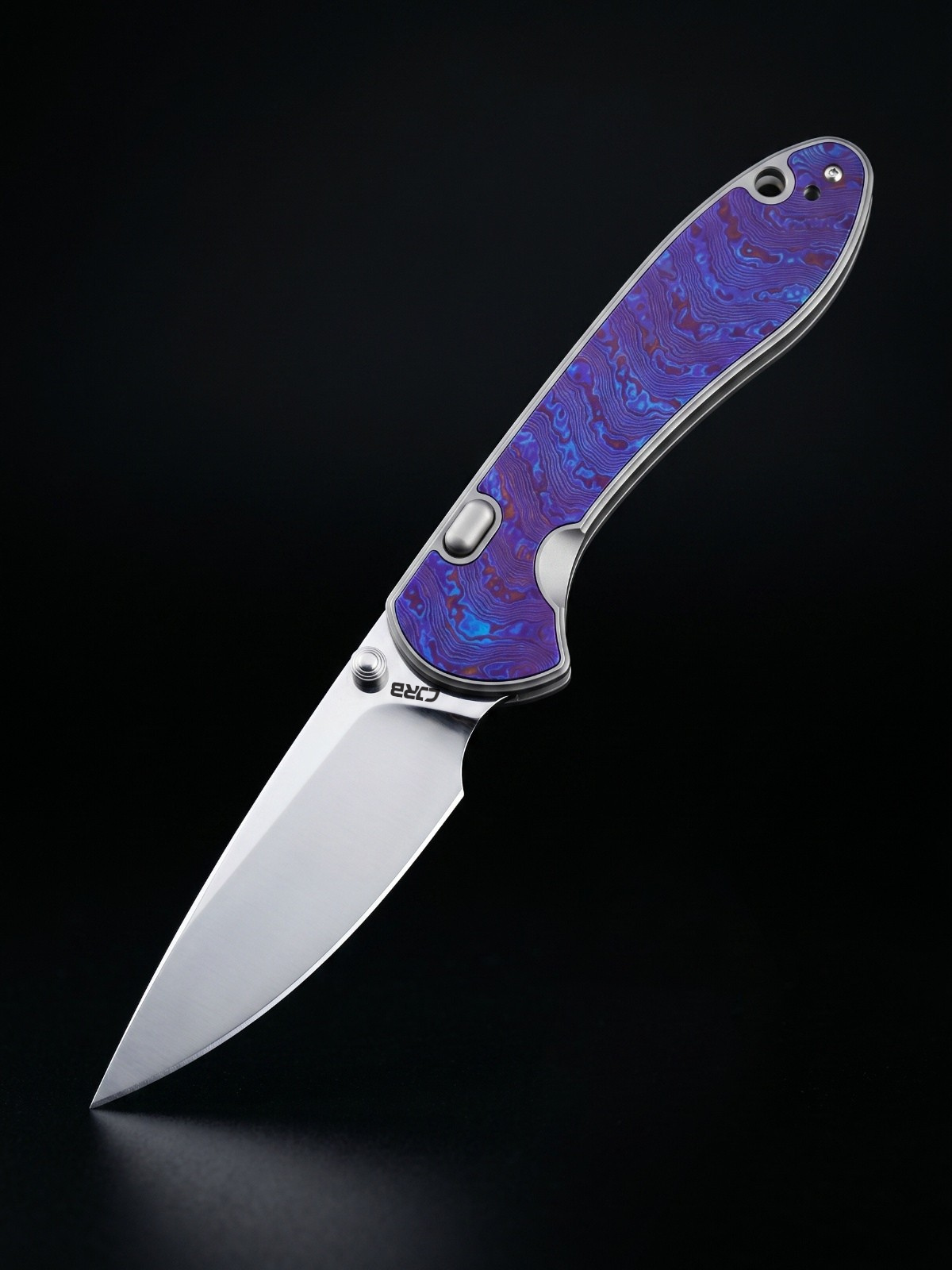
Perhaps the clearest, most popular representation of AR-RPM9's capabilities is found in the highly acclaimed CJRB Pyrite series. The Pyrite has rapidly become a modern classic in the pocket knife community by beautifully blending flawless ergonomics with this advanced spray-formed material.
The standard Pyrite features a highly versatile 3.11-inch drop point blade that is ground completely flat from the spine to the edge.18 Because AR-RPM9 is exceptionally tough and uniform, the factory is able to grind the flat bevel down to a very thin, acute edge behind the apex. This ultra-thin geometry makes the Pyrite a formidable, laser-like slicer for everything from breaking down thick corrugated shipping cardboard to performing precise food preparation at a campsite.7
The Pyrite line is incredibly diverse, offering users multiple unique ways to physically experience the steel:
- Handle Materials: The Pyrite is available with sleek, cold-to-the-touch stainless steel handles18, ultra-lightweight Fiberglass Reinforced Nylon (FRN) on the Pyrite-Light models designed for gym shorts or hiking20, or premium classic bolsters matched with wood scales on the Bowie Pyrite variant for a gentlemanly aesthetic.22
- Blade Styles: While the highly utilitarian drop point is standard, the Pyrite is also offered with a straight-edged Wharncliffe blade, which excels at utility draw-cuts and opening boxes, or a Bowie-style clip point for a more traditional, aggressive look.16
- Action and Lock: Utilizing a precision ceramic ball-bearing pivot assembly, the AR-RPM9 blade deploys with buttery, addictive smoothness. The intuitive, highly coveted button lock mechanism ensures the blade stays rigidly locked open during hard cuts while allowing for safe, totally one-handed closure without the user's fingers ever needing to cross the sharp cutting path.18
The CJRB Gobi: Ergonomics Meets Desert Inspiration

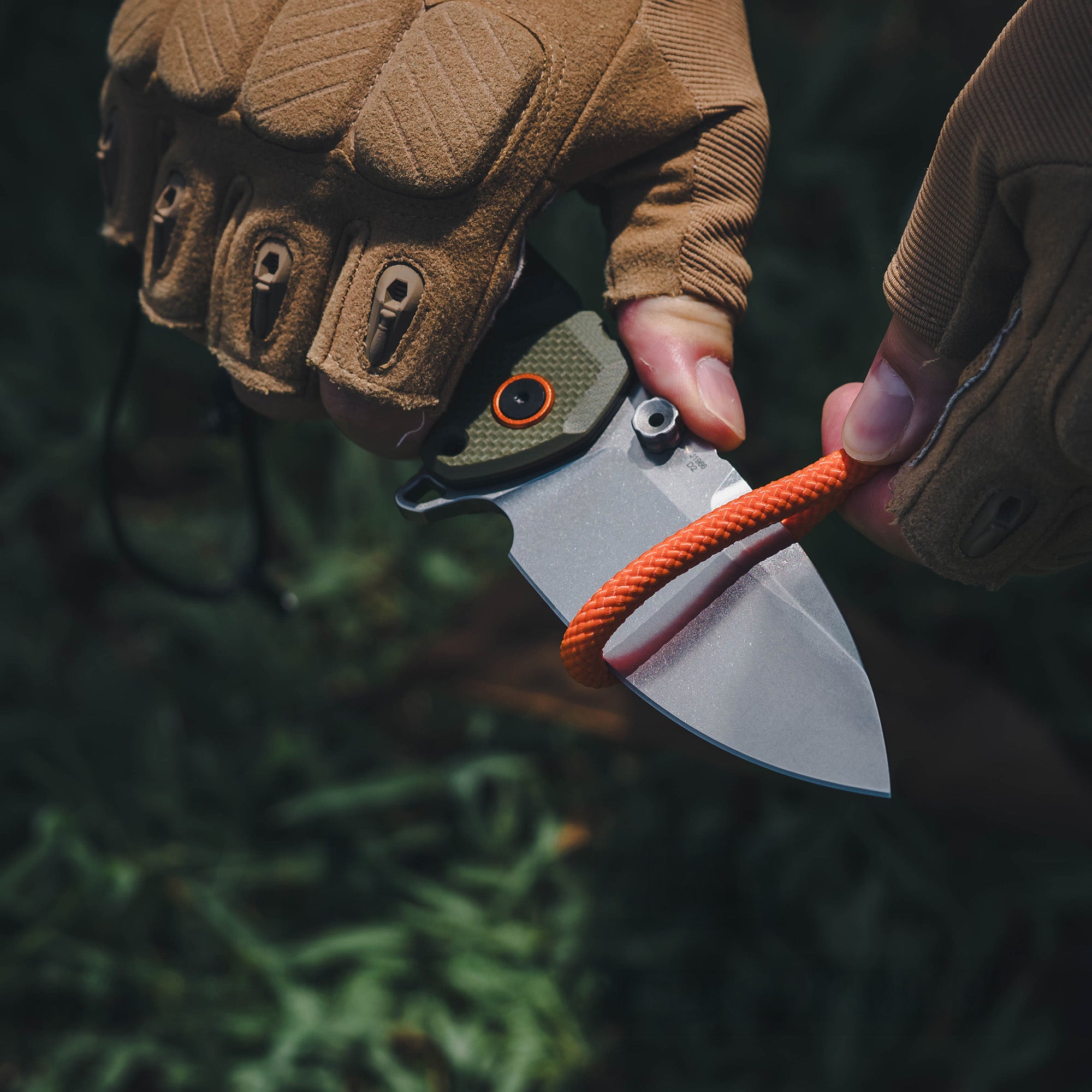
For users who prefer a more sweeping, stylized aesthetic without sacrificing an ounce of utility, the Gobi serves as a prime, shining example of form perfectly following function.23 Named after the vast, punishing desert spanning northern China and southern Mongolia, the Gobi takes explicit design cues from the traditional, sweeping knives historically used by nomadic desert-dwelling cultures.23 The defining feature of this blade is its 3.5-inch trailing point shape, which possesses a deep, continuous, sweeping belly.23 This continuous curve is absolutely magnificent for slicing motions, skinning game, and food prep, as the geometry naturally concentrates the cutting force along the sweeping edge as the user pulls the knife through the material.
Historically, crafting a sweeping belly with a very fine, upward-trailing tip could be a massive liability if the knife was made from a brittle, chunky steel like cast D2, as the delicate tip could easily snap off under pressure. However, because the Gobi utilizes the highly tough, fine-grained, spray-formed AR-RPM9 steel, the trailing point retains excellent structural integrity even during demanding, twist-heavy tasks.14
The handle of the Gobi is expertly crafted from G10—a nearly indestructible, high-pressure fiberglass laminate—featuring an ergonomic curve that locks the hand in place. It also sports a CNC-machined texture pattern that ensures a completely secure, non-slip grip even when hands are wet with rain or covered in work gloves.24 Deployed effortlessly via a flipper tab riding on a ceramic ball bearing pivot and secured tightly with a sturdy liner lock, the Gobi measures a substantial 8.23 inches overall, providing a full, hand-filling grip for heavy cutting chores.25
Exploring the Expanded Lineup
The immense versatility of AR-RPM9 extends far beyond just the legendary Pyrite and the sweeping Gobi. By exploring the full, diverse range of folding knives, users can easily find the proprietary spray-formed steel applied to an incredible array of specialized designs tailored to any lifestyle.26 From the heavy-duty, tactical robustness of the CJRB Frack and Doubletap to the ultra-compact, pocket-friendly utility of the CJRB Mica and Lanky, the widespread adoption of AR-RPM9 across the entire catalog ensures a high baseline of metallurgical excellence.16
Conclusions and Practical Takeaways
The endless pursuit of the perfect pocket knife blade is a historical journey entirely defined by metallurgical compromises. For generations, selecting a knife meant being forced to choose between a blade that wouldn't dull but was utterly impossible to sharpen, or a blade that wouldn't break but rusted heavily at the first sign of morning dew. The traditional Steel Triangle forced users to accept significant flaws based solely on the inherent, unchangeable limitations of slow-cooling ingot casting technology.
However, a nuanced, modern understanding of metallurgy reveals that technological innovation can actively shift the strict boundaries of these physical trade-offs. By abandoning traditional, outdated casting methods in favor of highly advanced spray-forming techniques, it is entirely possible to physically manipulate the microscopic grain structure of the metal itself, eliminating the massive carbide clusters that cause failure.
AR-RPM9 represents a massive triumph of this specific metallurgical engineering. By rapidly atomizing a carefully balanced alloy of carbon, high chromium, and vanadium into a near-instantly solidifying mist, the resulting steel achieves a near-flawless, fine-grained microstructure previously reserved for luxury items. This structural uniformity shatters the old budget-steel paradigms. It actively delivers a highly reliable blade that resists rust entirely, possesses the sheer physical toughness to shrug off hard impacts without chipping, holds a razor-thin edge through miles of abrasive material, and can be maintained effortlessly by a complete novice equipped with a basic sharpening stone.
When an enthusiast is choosing their next trusted companion for the pocket, the campsite, or the grueling worksite, the knowledge of exactly what lies beneath the steel's shiny surface is the ultimate advantage. Navigating away from outdated metals and actively exploring models engineered with this advanced, spray-formed material—such as the highly diverse lineup found across the CJRB—ensures that the tool will remain sharp, reliable, and ready for whatever the day brings, perfectly balancing the Steel Triangle once and for all.
References
- Ultimate Guide to Knife Blade Steel | Benchmade Steel Chart, Accessed on March 10, 2026, Link
- Best Steel for Knives Guide Choosing Good Knife Steel for Survival and EDC, Accessed on March 10, 2026, Link
- Knife Steel Guide - Knife Life - Blade HQ, Accessed on March 10, 2026, Link
- Knife Steels Rated by a Metallurgist - Toughness, Edge Retention, and Corrosion Resistance, Accessed on March 10, 2026, Link
- KnifeSteelNerds: To illustrate just how important the edge geometry is... Reddit, Accessed on March 10, 2026, Link
- Powder Metallurgy and Spray Formed 10% V Cold Work Tool Steels, A Comparison, Accessed on March 10, 2026, Link
- AR-RPM9 vs. D2 Steel: Which is Better for Your EDC Knife?, Accessed on March 10, 2026, Link
- Experimental Study on the Chemical Composition, Microstructure... - PMC, Accessed on March 10, 2026, Link
- Metallography and Microstructure of Ancient and Historic Metals - Getty, Accessed on March 10, 2026, Link
- Knife Steel Guide: AR-RPM9, AR-SF II, D2, Nitro V... Compared, Accessed on March 10, 2026, Link
- AR-RPM9 Knife Steel is False Advertising, Accessed on March 10, 2026, Link
- Microstructural and Mechanical Characterization of Spray-Formed... ResearchGate, Accessed on March 10, 2026, Link
- Difference between powder steels and regular steel? : r/chefknives - Reddit, Accessed on March 10, 2026, Link
- Ultimate Mid-Range Blade Steel Showdown: 17 EDC Folding Knife Steels Compared, Accessed on March 10, 2026, Link
- D2 vs. AR-RPM9: Which Budget Steel Actually Lasts Longer? - CJRB Cutlery, Accessed on March 10, 2026, Link
- CJRB AR-RPM9 Steel Collection, Accessed on March 10, 2026, Link
- CJRB AR-RPM9 Steel Collection - CJRB Cutlery, Accessed on March 10, 2026, Link
- CJRB Pyrite J1925 AR-RPM9 Steel Blade... Blue, Accessed on March 10, 2026, Link
- CJRB Pyrite J1925 AR-RPM9 Steel Blade Steel Handle Folding Knives, Accessed on March 10, 2026, Link
- CJRB Pyrite-Light J1945 AR-RPM9 Steel Blade FRN Ha..., Accessed on March 10, 2026, Link



Leave a comment
All comments are moderated before being published.
This site is protected by hCaptcha and the hCaptcha Privacy Policy and Terms of Service apply.