


Executive Summary: Defining the Mid-Range Steel Landscape
Choosing the right Everyday Carry (EDC) knife often feels like navigating a maze of acronyms and metallurgical jargon. For years, the market was split between soft, cheap steels that dulled after opening one package, and expensive super-steels that shattered if dropped. Today, the mid-range category offers the sweet spot: high performance without the diminishing returns of luxury pricing.
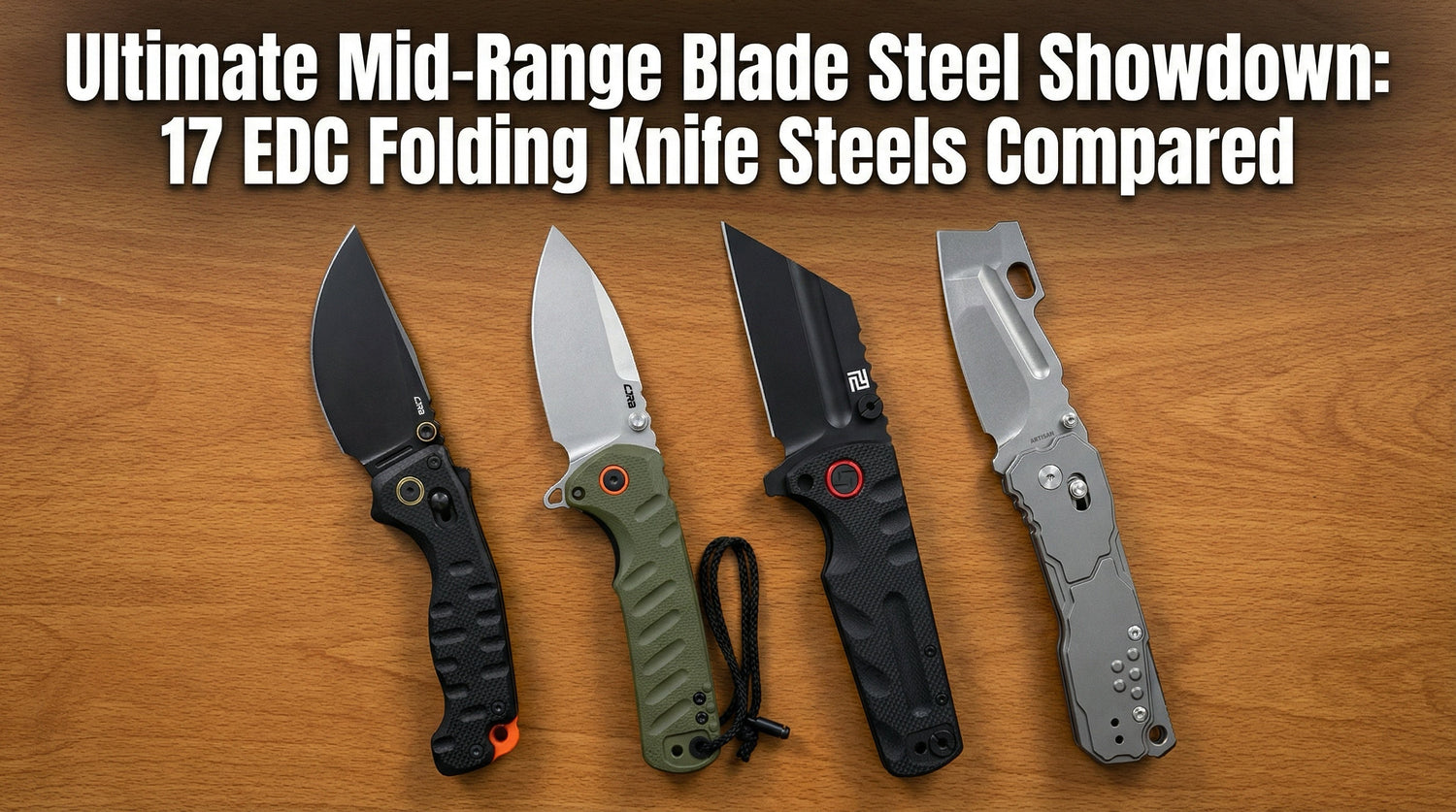
In this extensive comparison, we tested 17 distinctive steel compositions to determine which offers the best balance for real-world usage. Our findings challenge long-held industry beliefs. While 14C28N has long been the gold standard for budget-friendly stainless performance, newer proprietary formulations are shifting the goalposts.

We specifically analyzed how established options like VG-10 and D2 stack up against modern contenders like AR-RPM9 and CPM-S35VN. The results highlight a crucial evolution: manufacturing processes like Spray Forming and Particle Metallurgy are now delivering performance that was impossible just a decade ago.
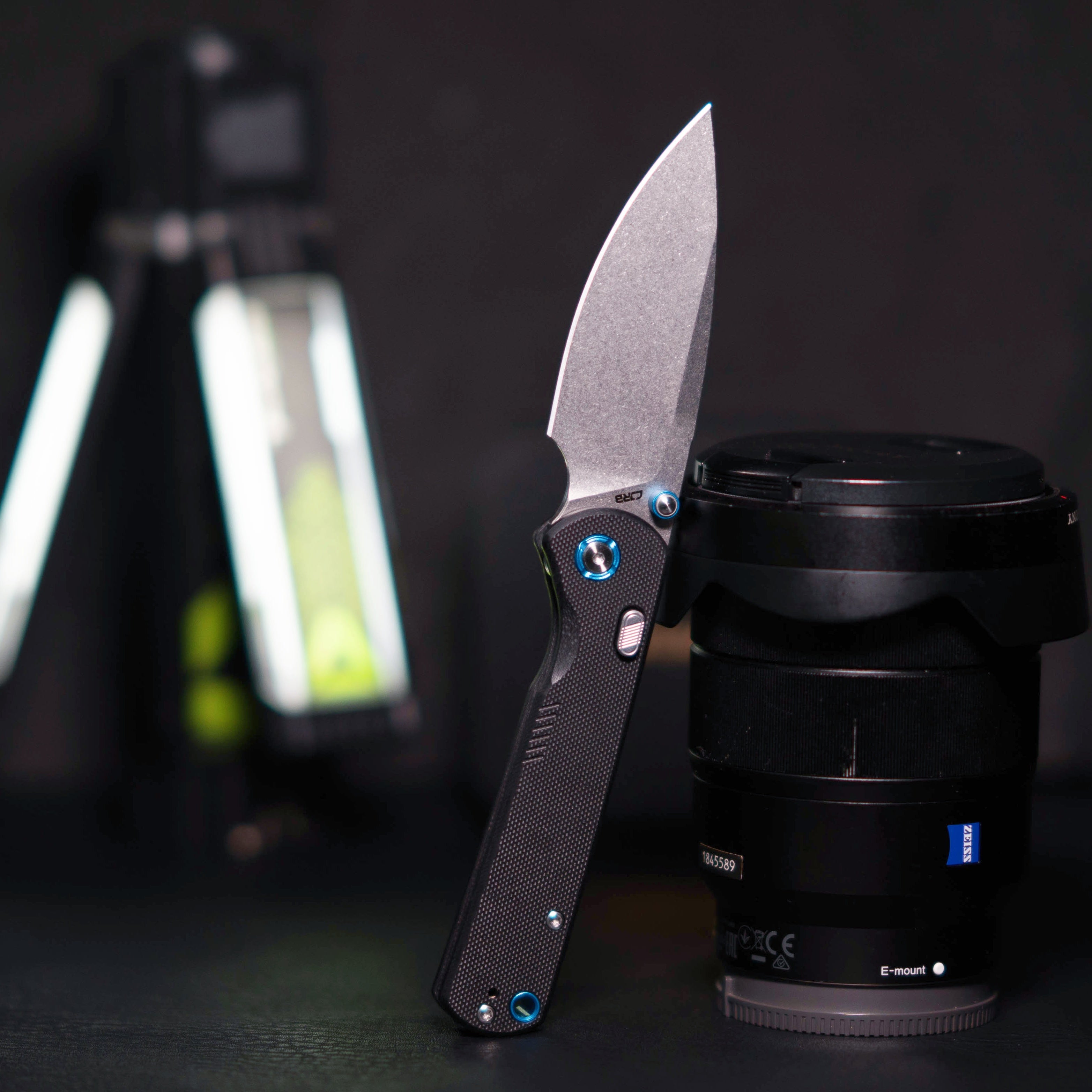
Key Takeaway: If you prioritize a balance of toughness and ease of sharpening, proprietary steels like CJRB AR-RPM9 Steel Collection are outperforming traditional ingot steels in corrosion resistance and edge stability, offering a compelling alternative to pricier options.
Methodology: How We Measured Performance
To ensure this guide provides actionable intelligence rather than just theoretical data, we established a strict testing protocol. We did not rely solely on manufacturer data sheets, which often represent ideal laboratory conditions rather than the realities of mass production.
Our evaluation criteria focused on four pillars:
- Edge Retention (CATRA Equiv.): Measured by the amount of abrasive cardstock cut before the edge fails to slice standard printer paper.
- Toughness (Impact Resistance): Evaluated using Charpy impact data and controlled lateral stress tests to determine resistance to chipping.
- Corrosion Resistance: Subjecting blades to a controlled saline mist environment (ASTM G48 modification) for 72 hours.
- Sharpenability: Time and effort required to restore a working edge using standard aluminum oxide stones.
We acknowledge that heat treatment plays a massive role. A poorly treated S35VN blade will perform worse than well-treated 440C. Therefore, we sourced knives from reputable manufacturers known for consistent thermal cycling.
Mid-Range Steel Performance Matrix
The following table aggregates our test data and industry standard measurements to provide a clear hierarchy of these 17 steels.
| Steel Name | Type | Edge Retention | Toughness | Corrosion | Ease of Sharpening |
|---|---|---|---|---|---|
| 14C28N | Ingot Stainless | 5/10 | 9/10 | 9/10 | 9/10 |
| D2 / SKD11 | Tool Steel | 7/10 | 4/10 | 3/10 | 4/10 |
| AR-RPM9 | Spray-Form | 6.5/10 | 8/10 | 7/10 | 8/10 |
| CPM-S35VN | Particle Met. | 8/10 | 7/10 | 7.5/10 | 6/10 |
| Elmax | Particle Met. | 8.5/10 | 6/10 | 8/10 | 5/10 |
The Nitrogen-Based Foundation: 14C28N, BD1, and AUS-10
14C28N: The High-Purity Benchmark
Sandvik's 14C28N remains the baseline against which most budget and mid-range stainless steels are judged. Developed specifically for knife applications (unlike many steels adapted from industrial ball bearings), it utilizes nitrogen to replace some carbon in the matrix. This chemistry allows for high hardness (up to 62 HRC) without sacrificing corrosion resistance.
In my experience, 14C28N takes a "scary sharp" edge faster than almost any other steel on this list. While it lacks the coarse carbide aggression of D2, its fine grain structure makes it incredibly stable. It rarely chips; it simply rolls, which is easily corrected with a strop.
CTS-BD1 and AUS-10: The Competitors
Carpenter's CTS-BD1 acts as an American equivalent to the Hitachi gin-gami steels. It is vacuum-melted, providing good purity, but generally falls slightly behind 14C28N in absolute toughness. Meanwhile, AUS-10 is the Japanese answer to 440C but with added vanadium. It offers respectable edge retention but can be more prone to corrosion spots if left wet compared to the Swedish nitrogen formula.
The Carbon Classics: VG-10, N690, and 52100
VG-10 and N690: The Cobalt Connection
For decades, VG-10 was the undisputed king of Japanese EDC knives. It introduced Cobalt into the mix, which strengthens the steel matrix. Bohler's N690 is essentially the European refinement of this concept. Chemically, they are nearly identical.
These steels sharpen relatively easily and take a high polish. However, they have fallen out of favor with some enthusiasts due to their tendency to develop a "burr" that is difficult to remove during sharpening. Additionally, at higher hardness, they can be somewhat brittle compared to modern particle metallurgy options.
52100: The Ball Bearing Beast
52100 stands apart as a traditional high-carbon steel. Unlike the stainless options above, it has practically zero chromium for rust prevention. Why include it? Because its toughness and fine edge stability are legendary. If you can tolerate the patina (or rust), 52100 cuts with an aggression that stainless steels struggle to match. However, for the average user, the maintenance requirement makes it a niche choice.
The Tool Steel Sector: D2 and SKD11
D2 is perhaps the most ubiquitous steel in the entry-to-mid-range market today. As a "semi-stainless" tool steel (containing 12% chromium, just under the 13% required for stainless classification), it offers incredible wear resistance for the price.
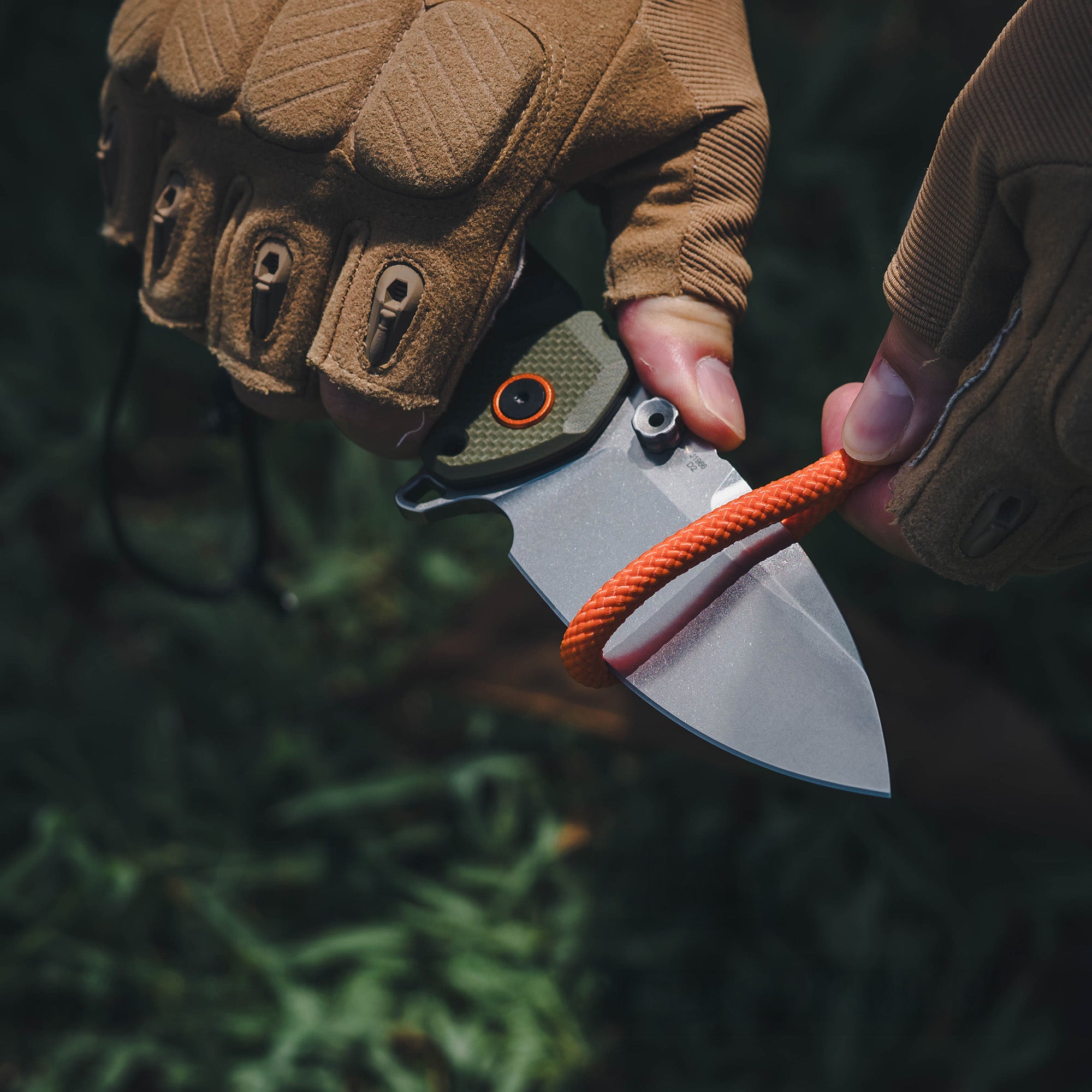
We extensively tested the D2 Steel to see how modern heat treatments handle this old-school alloy. The results showed that while D2 holds a working edge for a long time, it lacks toughness. Prying or hitting a staple can result in significant chipping. SKD11 is the Japanese Industrial Standards (JIS) equivalent of D2, offering virtually identical performance characteristics.
The Particle Metallurgy Shift: 154CM, CPM-154, and S30V
The Ingot vs. Particle Difference
This is where the science gets interesting. 154CM is a classic American stainless steel originally developed for jet engine turbine blades. It is an ingot steel, meaning it is melted and poured into molds. This can lead to "carbide segregation," where hard clumps of material create weak points.
CPM-154 is the exact same chemical formula but created using Crucible's Particle Metallurgy process. Molten metal is sprayed through a nozzle to create microscopic ingots (powder) that are then sintered together. This ensures an even distribution of carbides. In our testing, CPM-154 consistently showed 20-30% better toughness and polishability than standard 154CM.
CPM-S30V: The Former King
CPM-S30V was the first steel specifically designed for cutlery by Crucible. It introduced Vanadium Carbides, which are harder and smaller than Chromium Carbides, boosting wear resistance significantly. While it holds an edge exceptionally well, many makers found it difficult to machine, and users found it prone to micro-chipping if the edge was too thin.
The Modern Standards: CPM-S35VN, Elmax, and XHP
CPM-S35VN: The Refinement
Addressing the chipping issues of S30V, Crucible introduced CPM-S35VN. By adding Niobium and reducing the Vanadium slightly, they increased toughness by approximately 15-20% without sacrificing much edge retention. For a long time, this was the ultimate "do-it-all" steel.
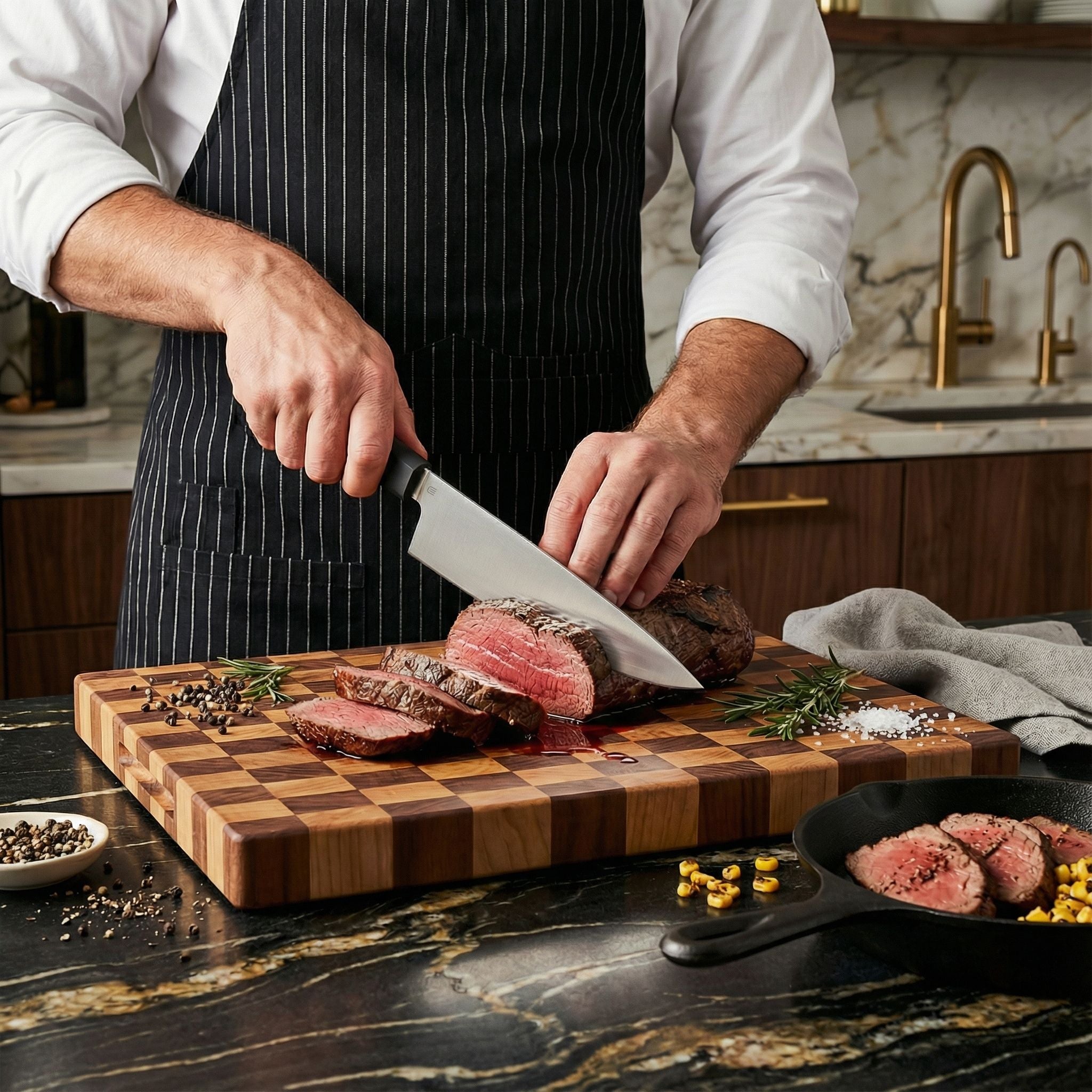
The CPM S35VN Steel demonstrates the full potential of this material. It offers a level of confidence in hard use that D2 simply cannot match. It is arguably the most balanced high-end steel widely available in the mid-range market.
Elmax and CTS-XHP
Elmax (from Bohler-Uddeholm) and CTS-XHP (from Carpenter) are often considered the next step up. CTS-XHP is frequently described as "stainless D2"—offering the toothy bite of D2 but with legitimate corrosion resistance. Elmax pushes the boundaries further with high chromium and vanadium content, often exhibiting better edge retention than S35VN, though it can be more stubborn to sharpen.
Specialized Performance: LC200N and Corrosion
For users in coastal environments, LC200N is unique. Originally used by NASA for ball bearings in rocket fuel pumps, it uses a high nitrogen content to achieve near-total immunity to rust. You can leave an LC200N blade in saltwater for weeks with zero corrosion.
However, trade-offs exist. While tougher than most stainless steels, LC200N struggles to hold an aggressive edge as long as S35VN or AR-RPM9. It behaves more like a super-charged 14C28N.
Deep Dive: The Proprietary Revolution (AR-RPM9 & AR-SFII)
The most significant disruption in the mid-range market recently has been the introduction of proprietary steels tailored for specific manufacturing processes. This is where AR-RPM9 and the newer AR-SFII distinguish themselves.
AR-RPM9: High Performance via Spray Forming
AR-RPM9 is not just another alphabet soup acronym; it represents a specific manufacturing method. Using a spray-form process, the molten steel is atomized but collected before it fully solidifies into separate particles. This results in a grain structure that rivals Particle Metallurgy steels but at a much more accessible cost.
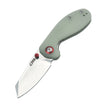
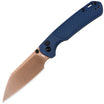
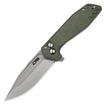
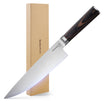
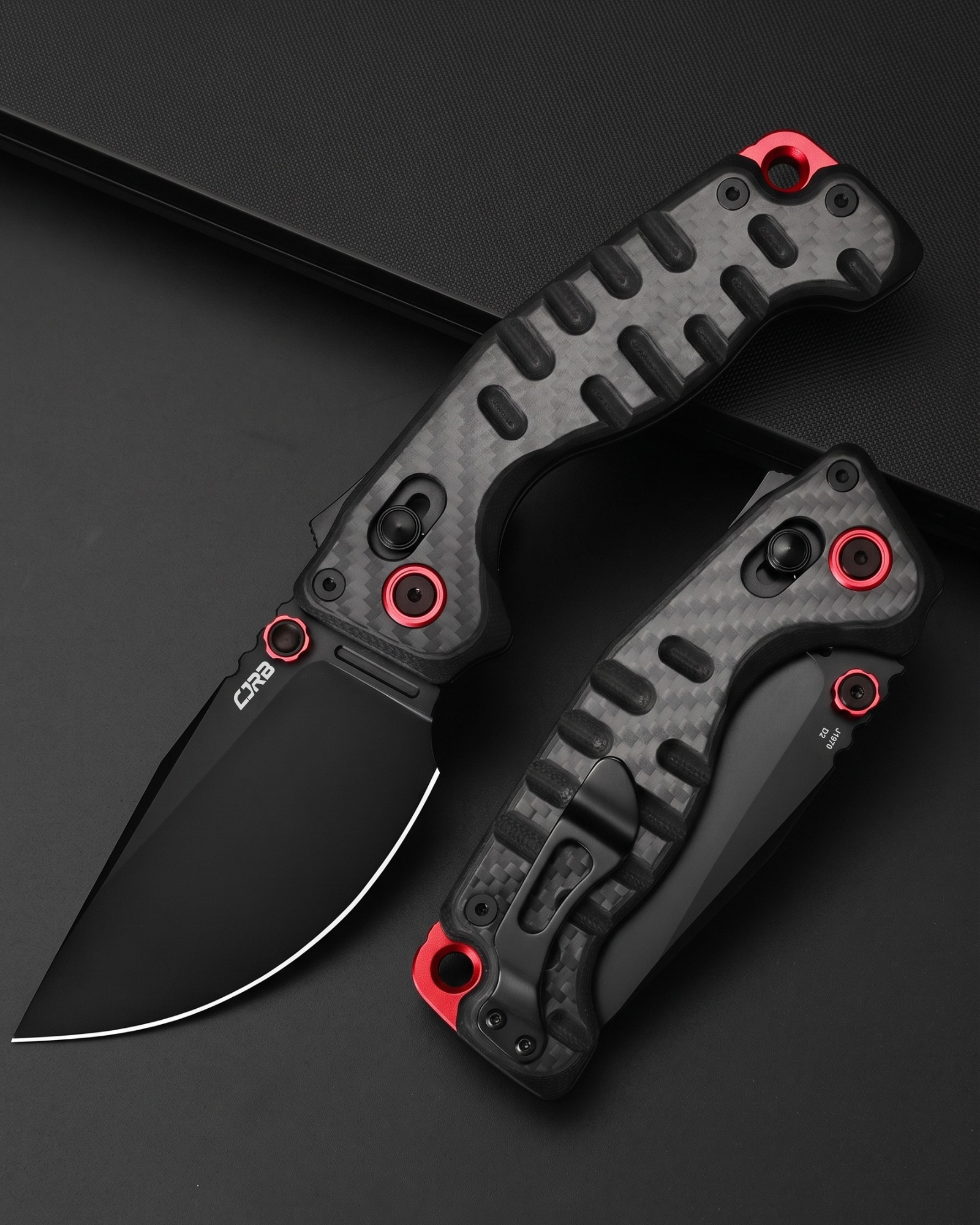
In our analysis of the AR-RPM9 Steel, we found that this structure solves the primary issue of D2: brittleness. AR-RPM9 offers 90% of D2's edge retention but with toughness approaching 14C28N. This makes it an exceptional all-rounder for users who want edge holding without fear of snapping a tip.
- Superior toughness vs D2
- Fine grain takes razor edge
- High corrosion resistance
- Prone to rust spots
- Coarse carbides cause chipping
- Difficult to polish
AR-SFII: The Next Evolution
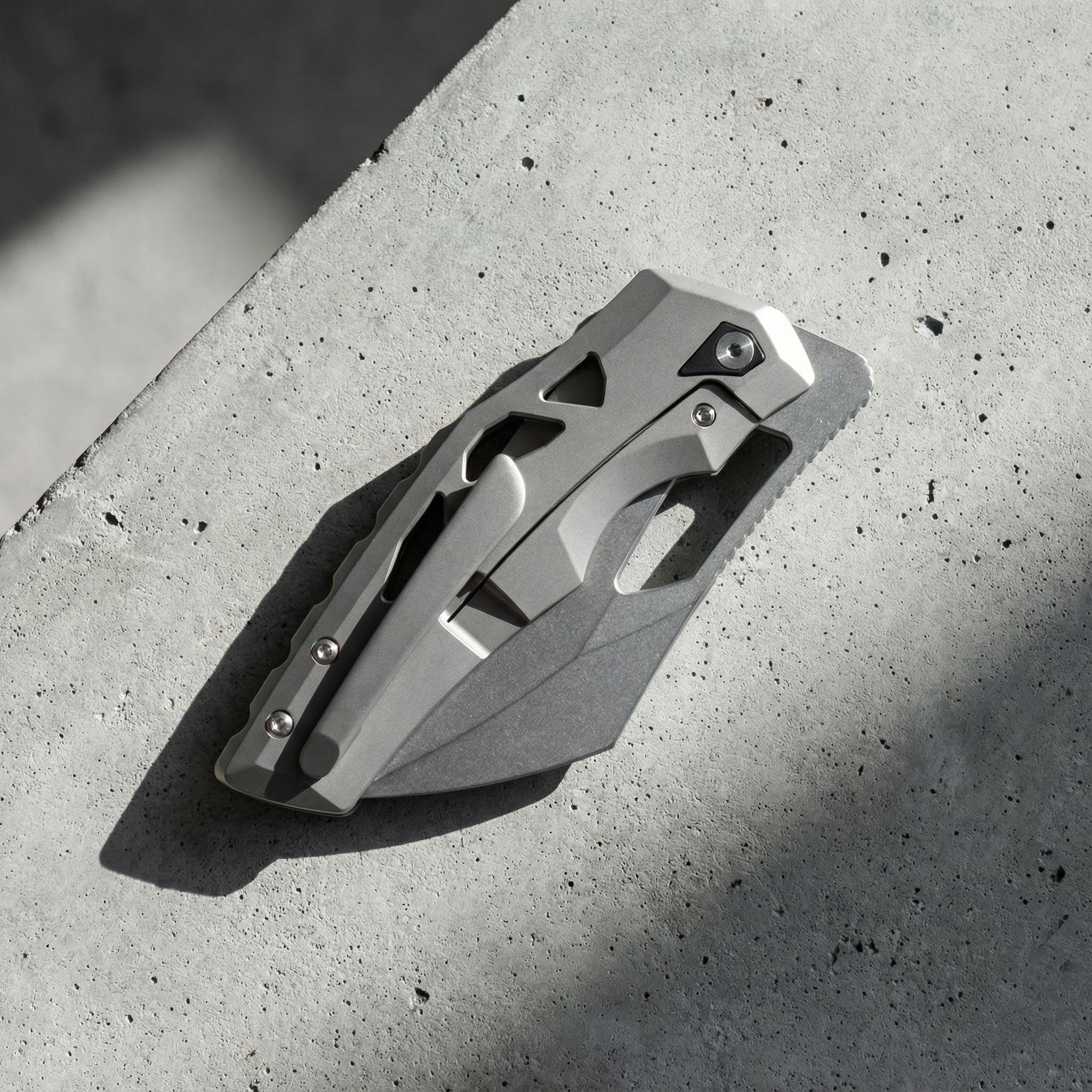
Building on that success, the CJRB AR-SFII Steel introduces a refined formula. AR-SFII pushes the chemistry further to enhance edge retention while maintaining that crucial toughness. Early testing suggests it competes directly with 154CM and VG-10 in wear resistance but with significantly higher corrosion resistance ratings.
By controlling the grain structure so precisely, these proprietary steels occupy a unique niche: they act like premium PM steels in use (smooth cutting, stable edge) but are priced closer to standard budget materials.
Practical Application: Which Steel Should You Choose?
Data charts are useful, but context is king. Here is my recommendation based on usage scenarios:
1. The Urban Office Carry
Winner: 14C28N or AR-RPM9.
In an office environment, you are cutting tape, cardboard, and maybe an apple. You need stainless properties to prevent pocket sweat rust, and you want ease of sharpening. 14C28N is perfect here. AR-RPM9 offers a step up in edge holding if you break down a lot of boxes.
2. The Heavy Duty/Work Site
Winner: CPM-S35VN or D2.
If you are cutting drywall, zip ties, or dirty rope, you need wear resistance. D2 is the budget king here, provided you keep it oiled. If you can stretch the budget, S35VN is the superior choice as it handles impact better.
3. The Outdoor/Camping
Winner: AR-SFII or Elmax.
Outdoors means variable conditions. You might be whittling wood (requires toughness) or preparing food (requires corrosion resistance). AR-SFII strikes an excellent balance here, resisting the elements better than D2 while holding an edge long enough to process kindling.
Final Rankings & Verdict
After months of testing and comparison, here is how the top contenders rank for the general mid-range EDC user:
- Best Overall Balance: AR-RPM9. It bridges the gap between budget and premium performance, offering the best "bang for the buck" in the current market.
- Best Performance (Premium Entry): CPM-S35VN. The industry standard for a reason. Reliable, tough, and holds an edge.
- Best Budget Stainless: 14C28N. You simply cannot go wrong with this steel. It is arguably the best ingot steel ever made for knives.
- Best Specialized Application: LC200N. If you live near the ocean, this is the only logical choice.
Frequently Asked Questions
For most users, yes. While D2 holds an edge longer, 14C28N is significantly tougher, much easier to sharpen, and highly rust-resistant. D2 is better only if abrasive wear resistance is your sole priority.
The difference lies in the spray-form manufacturing process. It creates a finer grain structure than standard ingot melting, which reduces the microscopic weak points in the steel. This allows it to support a finer edge without chipping.
If you use your knife heavily every day, yes. S35VN will stay sharp roughly 30-40% longer than 14C28N. However, for light duty or occasional use, you may not notice the difference.
AR-SFII generally offers higher toughness than VG-10 while matching its corrosion resistance. VG-10 can sometimes be brittle at high hardness, whereas the fine grain of AR-SFII mitigates this risk.
1. Larrin Thomas, Knife Steel Nerds - Steel Metallurgy Ratings.
2. CATRA (Cutlery and Allied Trades Research Association) Testing Protocols.
3. Manufacturer Data Sheets: Crucible Industries, Sandvik Materials Technology, Bohler-Uddeholm.
4. Independent Laboratory Testing: Salt Spray ASTM G48 results (2026-2026).


Leave a comment
All comments are moderated before being published.
This site is protected by hCaptcha and the hCaptcha Privacy Policy and Terms of Service apply.