

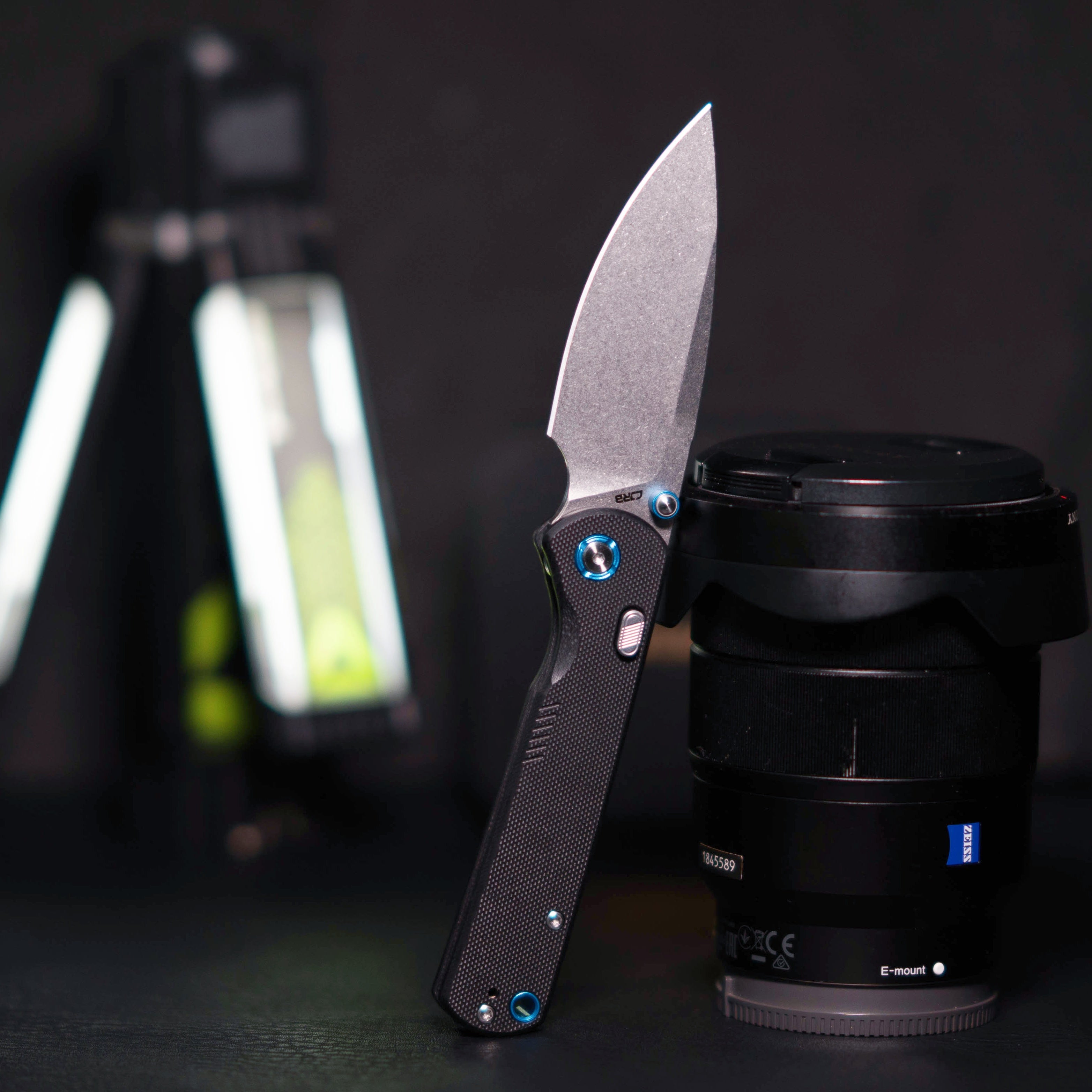
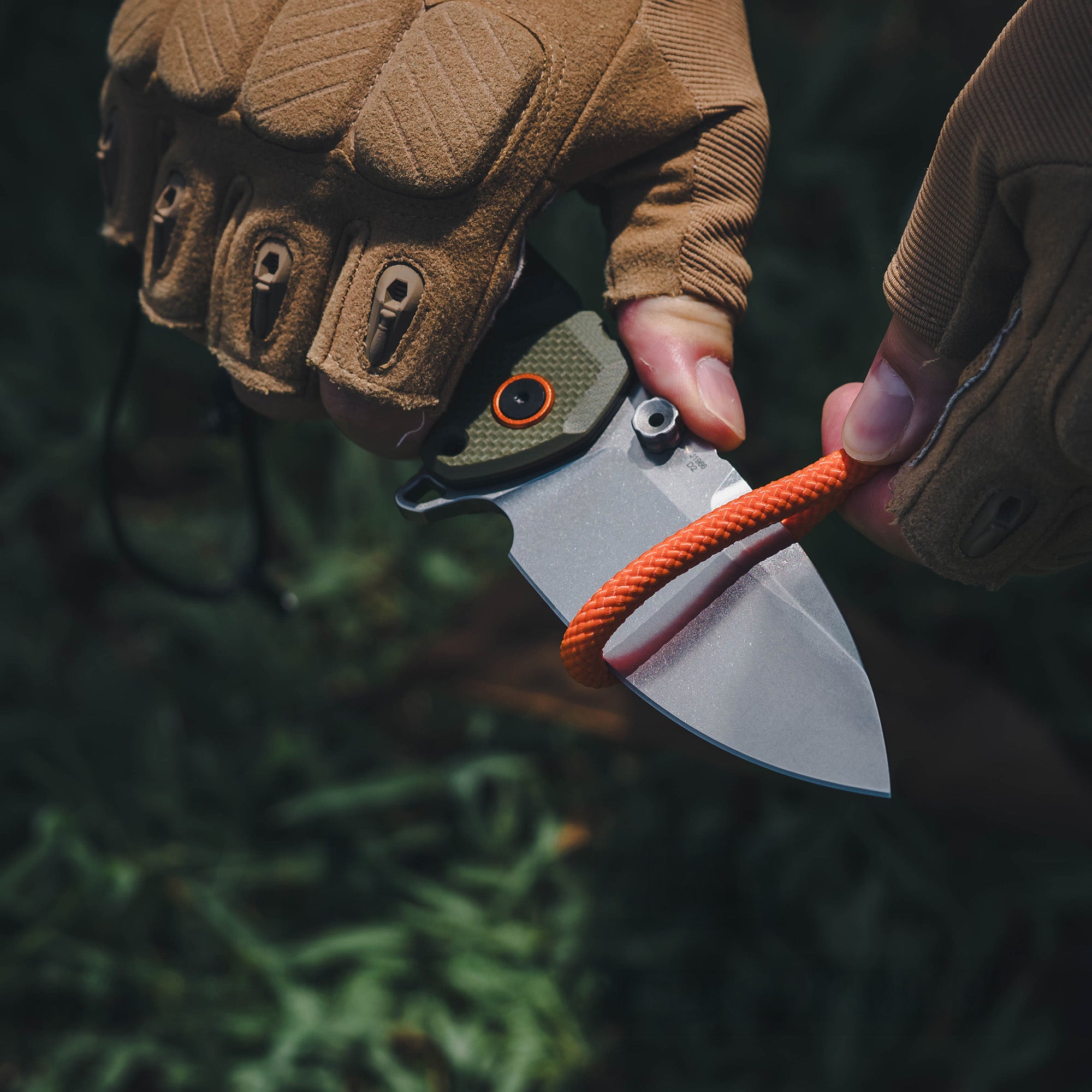
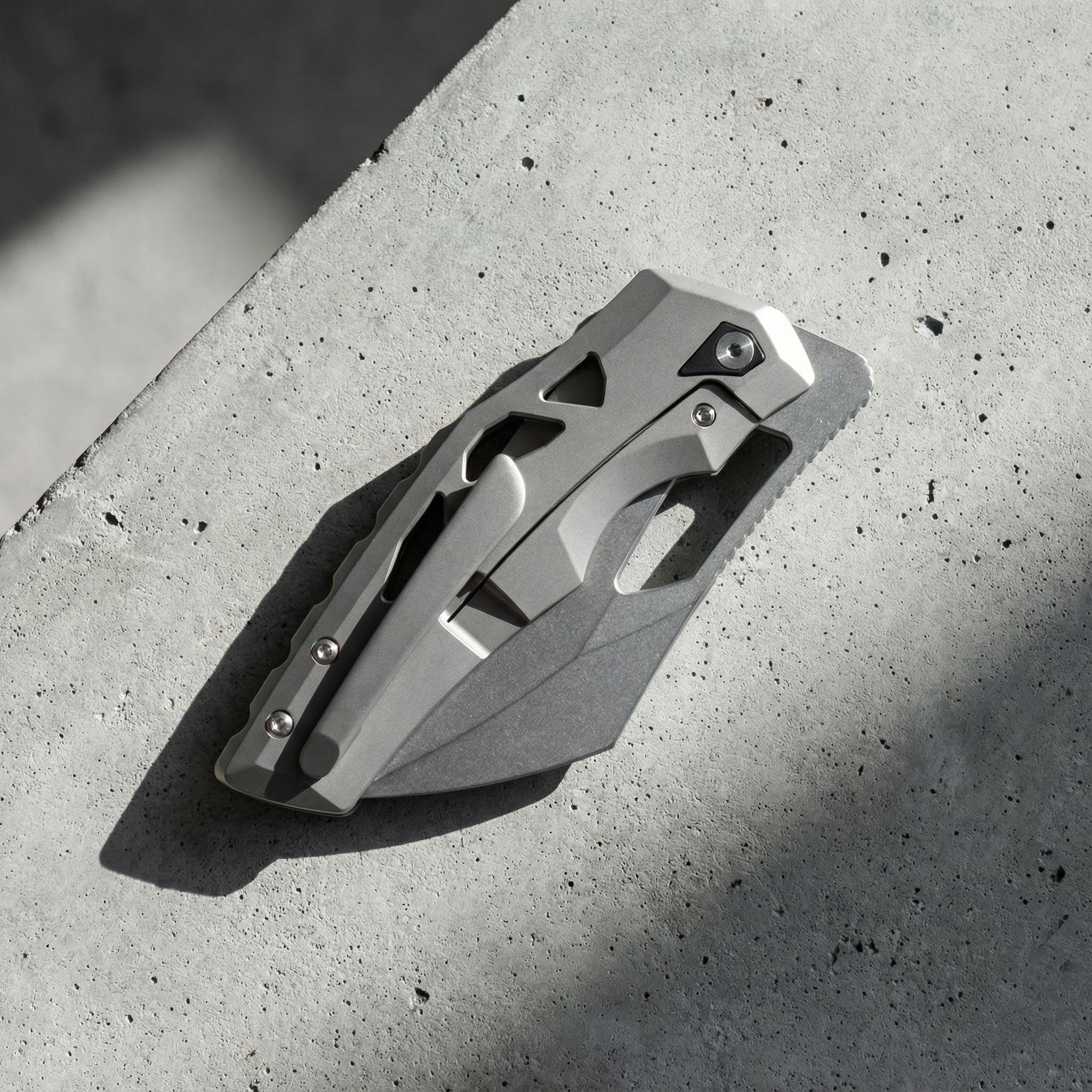
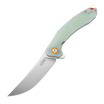
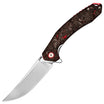
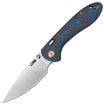
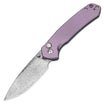

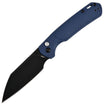
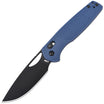
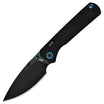
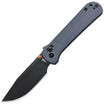
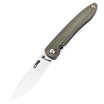
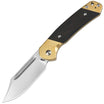
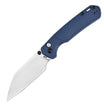
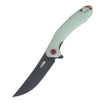
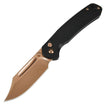
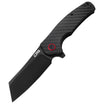
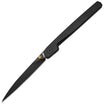
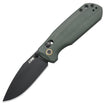
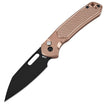
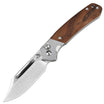
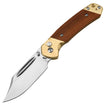
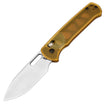
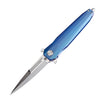
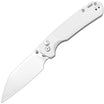
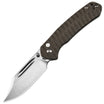
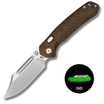
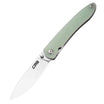
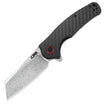
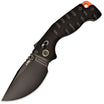
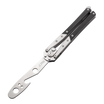
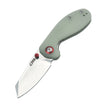
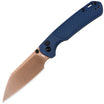
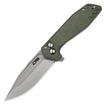
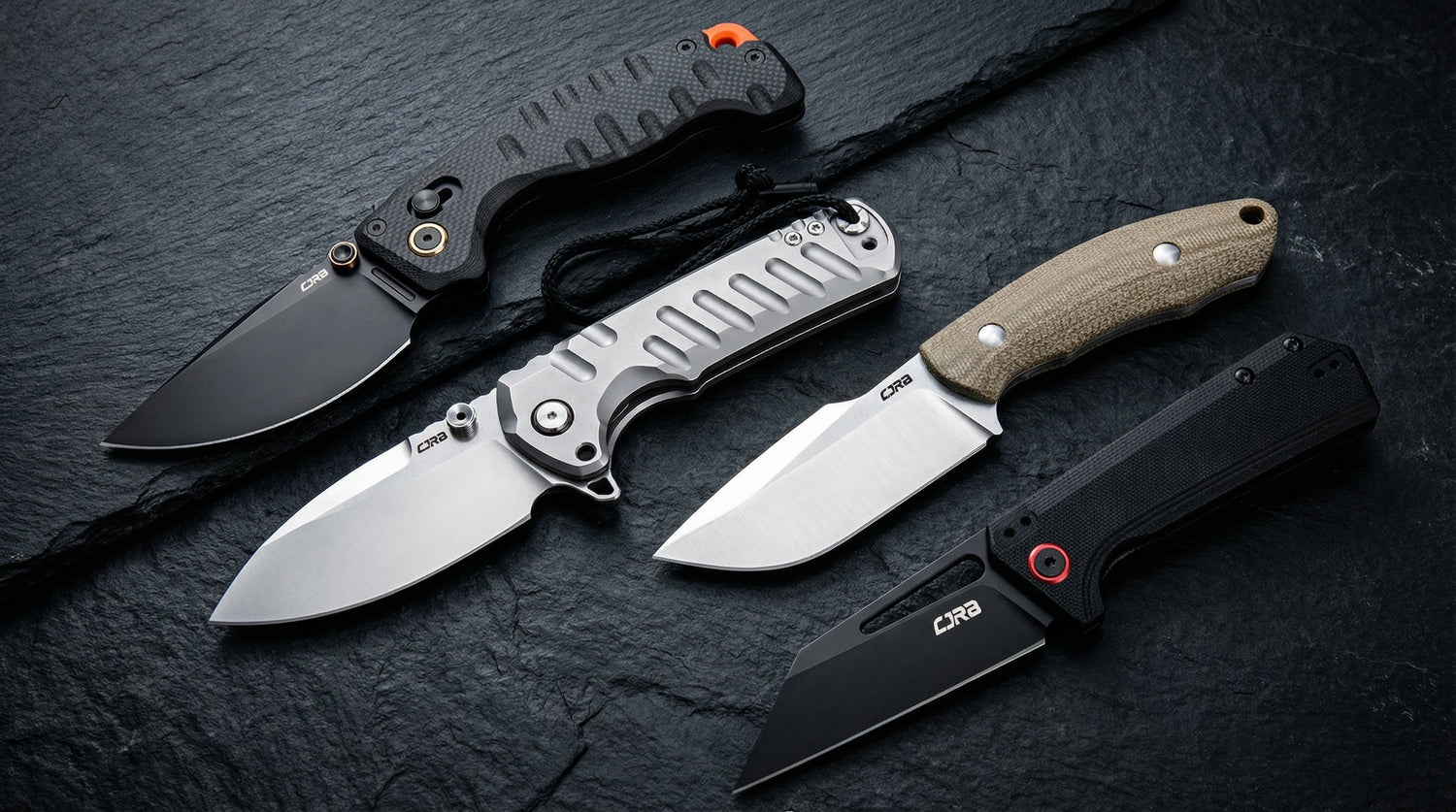
Let's be honest for a moment: carrying a knife for protection is a serious responsibility. It's not about looking cool or having the most aggressive-looking tool in your pocket. In my years of handling blades, I've learned that the most effective tool is the one you can deploy reliably, hold securely, and use legally. Whether you are looking for a spring assisted pocket knife or a sturdy fixed blade, the market is flooded with options that claim to be "tactical" but fail when put to the test.
Finding the best pocket knife for self defense isn't just about steel hardness or blade length; it's about how the tool integrates with your reaction time and stress levels. Under pressure, fine motor skills degrade. Complex locking mechanisms that work great in a calm showroom might fumble in a chaotic situation.
In this guide, I'm going to walk you through exactly what makes a knife suitable for defense, dissect the budget tiers so you don't overspend on hype, and point out the specific features that actually matter.

The Mechanics: Spring Assisted Pocket Knife vs. Manual vs. OTF
One of the first decisions you'll face is the deployment mechanism. Speed is often marketed as the ultimate factor, but reliability is king. Here is how the main types stack up for defensive use.
The Case for the Spring Assisted Pocket Knife
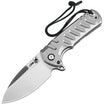
A spring assisted pocket knife sits in a sweet spot for many users. Unlike a fully automatic switchblade, which is illegal in many jurisdictions, an assisted opener requires you to initiate the movement (usually via a thumb stud or flipper tab) before the internal spring takes over to snap the blade open. In my experience, these offer a significant advantage in stress scenarios because they require less dexterity than a manual folder to achieve a full lockup.
The internal torsion bar or spring ensures that once you start the motion, the blade finishes it. This minimizes the risk of a "half-open" blade failure.
OTF Pocket Knife: Speed vs. Maintenance
An otf pocket knife (Out The Front) is undeniably fast. With the push of a slider, the blade shoots straight out. While they have a high "cool factor" and are often associated with a military pocket knife aesthetic, they can be finicky. Dust, pocket lint, or debris can cause an OTF to misfire (derail). For a daily carry defense tool, I usually prefer the simplicity of a flipper or manual action unless you are committed to cleaning your knife weekly.
- Legal in more areas than autos
- Reliable lockup under stress
- Easier one-handed operation
- Sensitive to debris/lint
- Higher price for quality
- Strict legal restrictions
Reliability First: Fixed Blade Pocket Knife vs. Folders
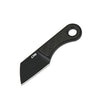
If concealment wasn't an issue, a fixed blade would always be the superior choice for defense. Why? Zero moving parts. A fixed blade pocket knife (often a small neck knife or inside-the-waistband blade) eliminates the possibility of lock failure. If you are in a situation where you need to use a tool for protection, the last thing you want to worry about is the pivot screw loosening or the lock slipping.
However, modern folders have closed the gap. High-quality liner locks and button locks now offer incredible strength. If you choose a folder, ensure the locking mechanism is substantial. I've seen cheap liner locks fail with a simple spine whack test—avoid those at all costs.
For those prioritizing absolute structural integrity, I highly recommend checking out Fixed Knives. These designs provide the unwavering durability needed for critical situations without the anxiety of mechanical failure.
Blade Profiles: Tanto, Karambit, and Utility
The shape of the steel dictates how it behaves on impact. Not all shapes are created equal for defense.
The Tanto Pocket Knife
The tanto pocket knife is a staple in tactical circles for a reason. Inspired by Japanese short swords, the reinforced tip is designed to pierce through tough materials without snapping. In a defensive context, this tip strength is crucial. It lacks a curved belly for slicing tasks, but for a self defense pocket knife, penetration reliability often takes precedence.
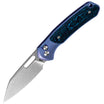
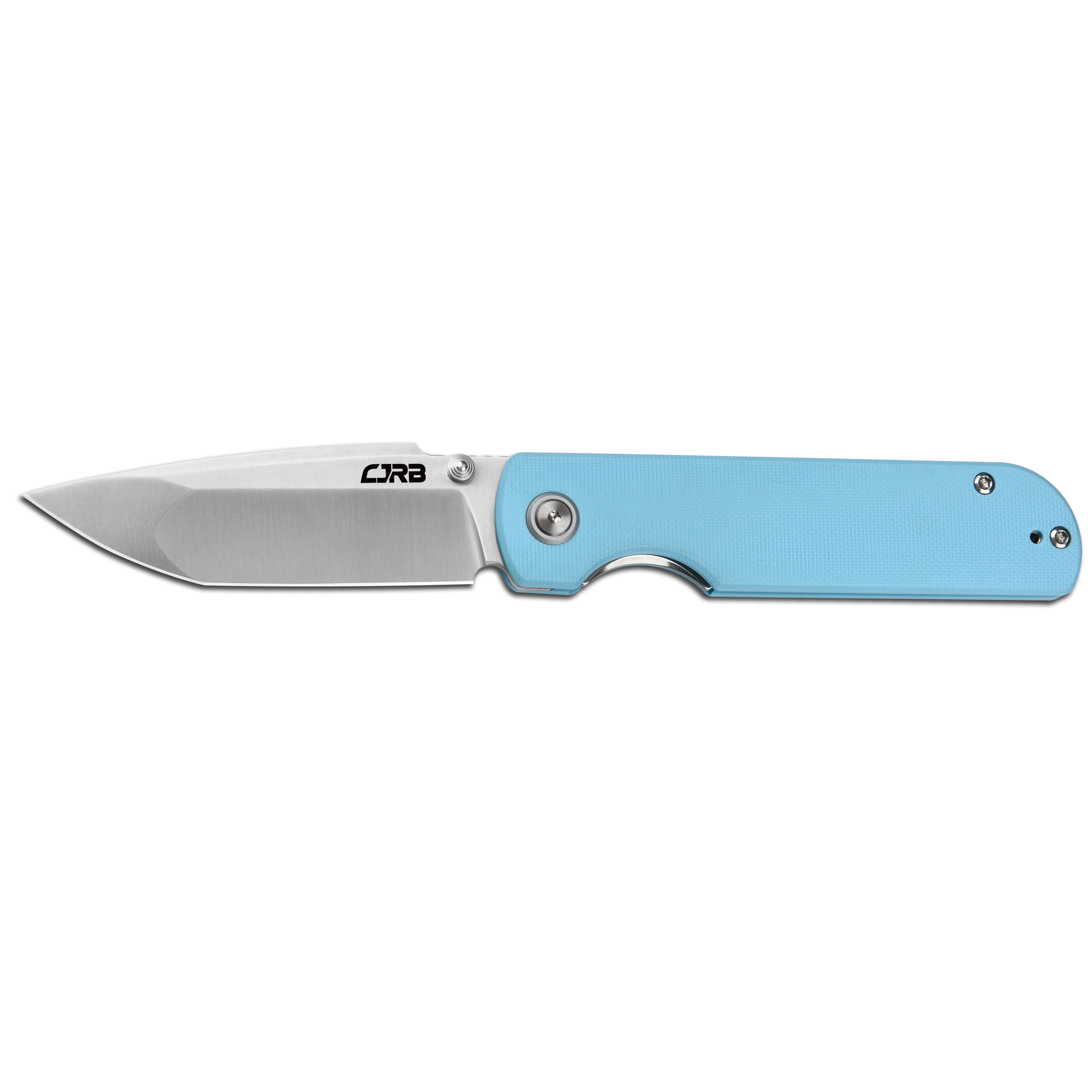
A prime example of this design philosophy is the CJRB Nova J1937 AR-RPM9 Steel Blade G10 Handle Folding Knives. It features that classic Japanese tanto shape with a compound grind, offering a thick, durable tip that inspires confidence.
The Karambit Pocket Knife
You have likely seen the karambit pocket knife in movies. The curved, claw-like blade and retention ring are excellent for weapon retention (making it hard for an attacker to knock it from your hand). However, I have to give a warning here: Karambits require training. The blade geometry is vastly different from a straight blade. Without practice, it is awkward to use. Unless you are willing to train specifically with it, a straight blade is often more intuitive.

Budget Analysis: What You Should Spend
You don't need to spend $500 to protect yourself, but you shouldn't trust your life to a $10 gas station knife. Here is a realistic breakdown of what you get at different price points.
| Budget Range | What to Expect | Best For |
|---|---|---|
| Under $50 | Standard steels (440C, D2), G10 or plastic handles, functional but basic finish. | EDC, Backup blades, First-time buyers. |
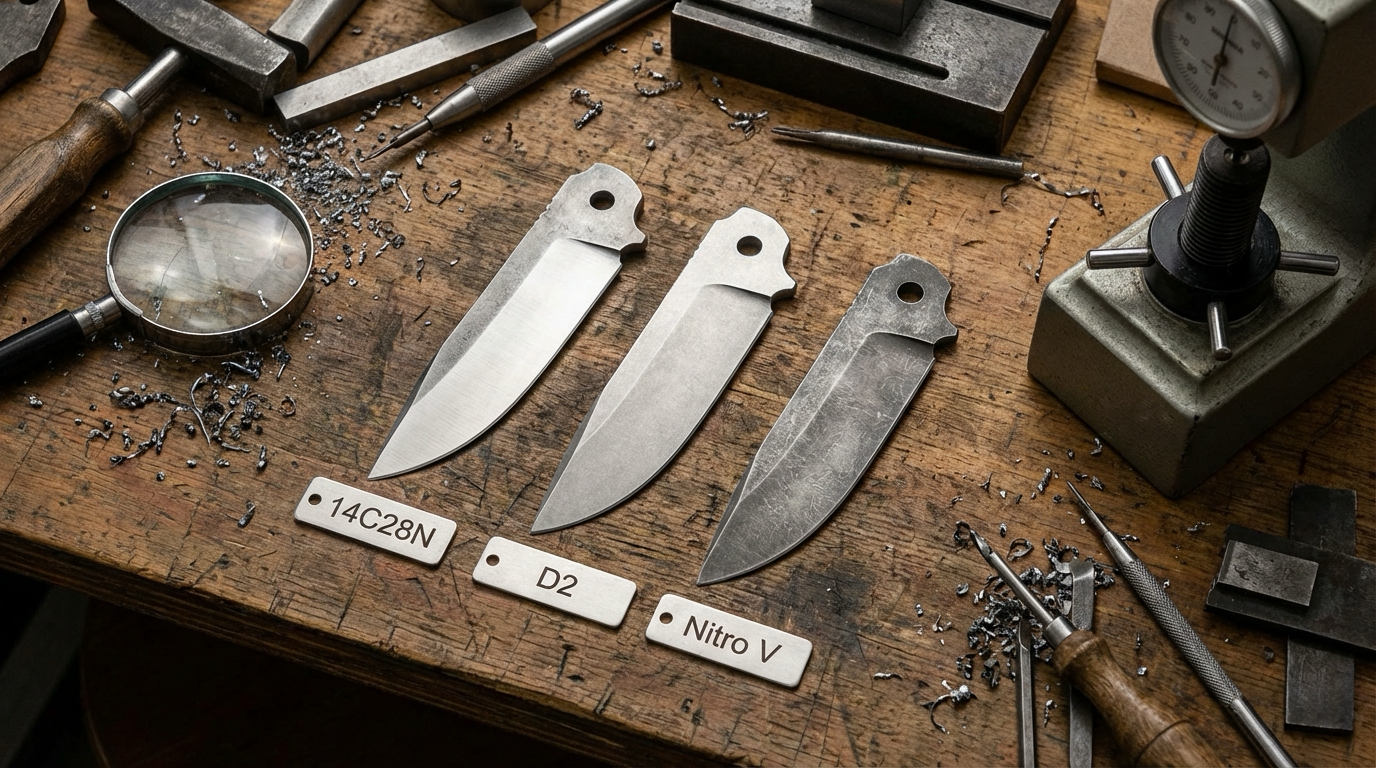
| $50 - $100 | Better steels (AR-RPM9, 14C28N), micarta handles, smoother bearings, reliable QC. | Serious daily carry, Reliable tactical use. |
| $100+ | Premium steels (S35VN, M390), Titanium handles, USA manufacturing. | Collectors, Specialized Military/Police use. |
Top Category Recommendations
Based on durability, ease of access, and locking strength, here are my top picks categorized by use case.
1. The All-Rounder Tactical Folder
If you want a dedicated tactical pocket knife that balances size and capability, look for something with aggressive grip texture and a blade length between 3 and 4 inches. You want enough reach to be effective but compact enough to actually carry. I strongly recommend browsing the dedicated collection of Tactical Knives. These are engineered specifically for reliability in critical moments, often featuring G10 handles which provide grip even when wet or muddy.
2. The Ultra-Reliable Button Lock
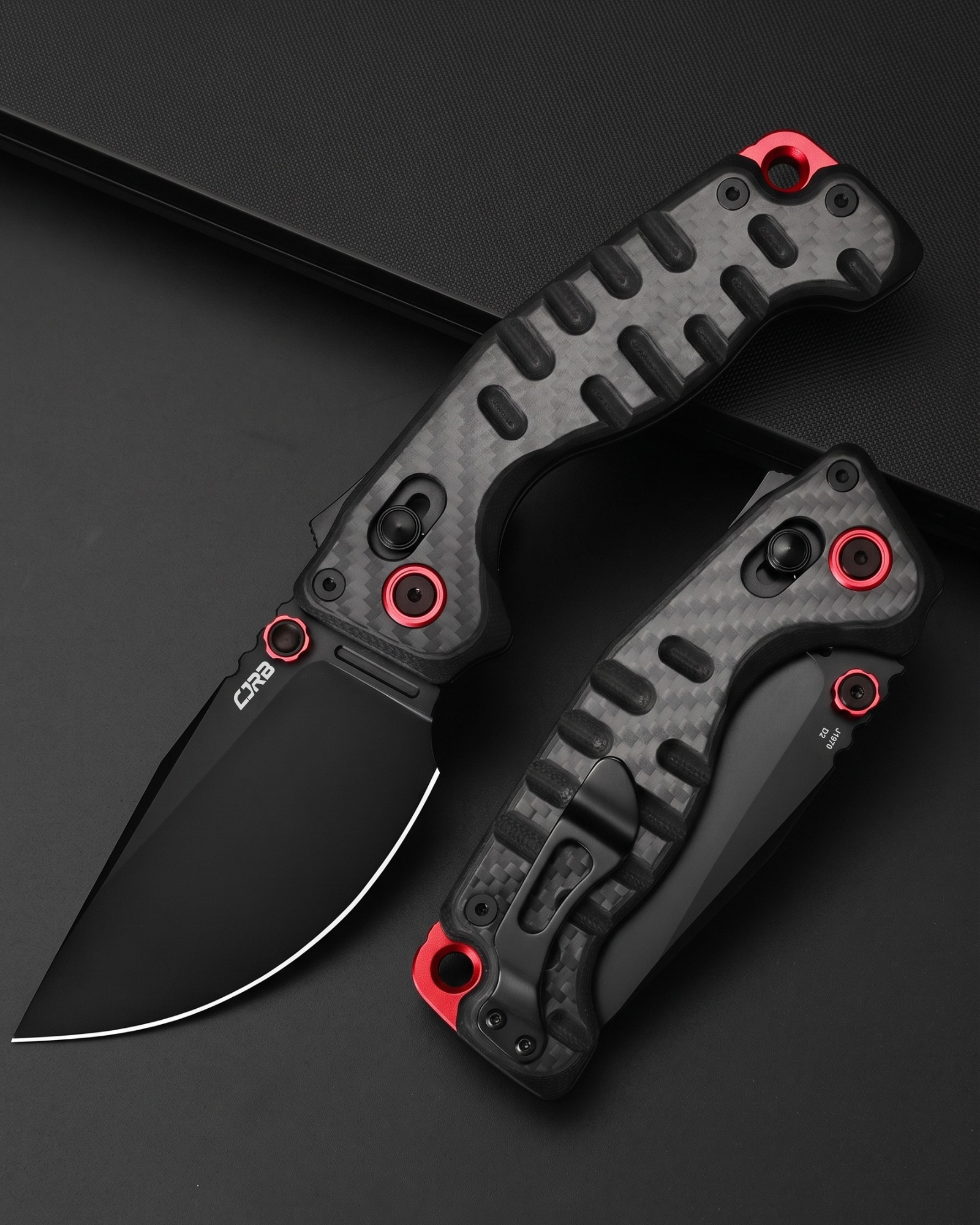
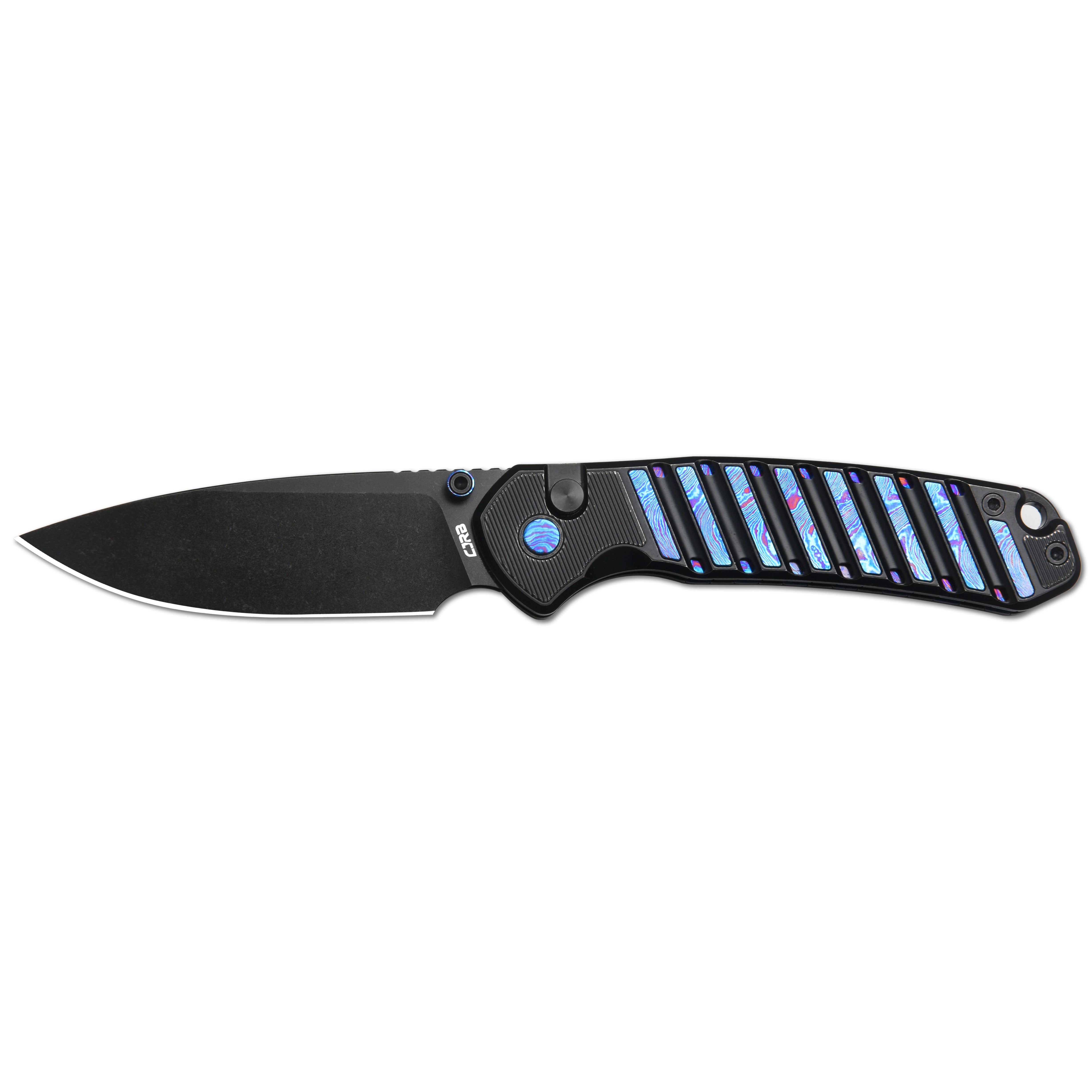
Button locks are fantastic for tactical use because they allow you to close the knife without putting your fingers in the blade's path—a safety feature often overlooked. They also offer gravity-deployment options if you hold the button down. The CJRB Pyrite Family | The Ultimate Button Lock EDC Knife Collection stands out here. While originally designed as a perfect EDC, the lock strength and fluid action make it a surprisingly capable defensive tool for those who prefer a lower profile.
3. The Backup / Deep Concealment Option
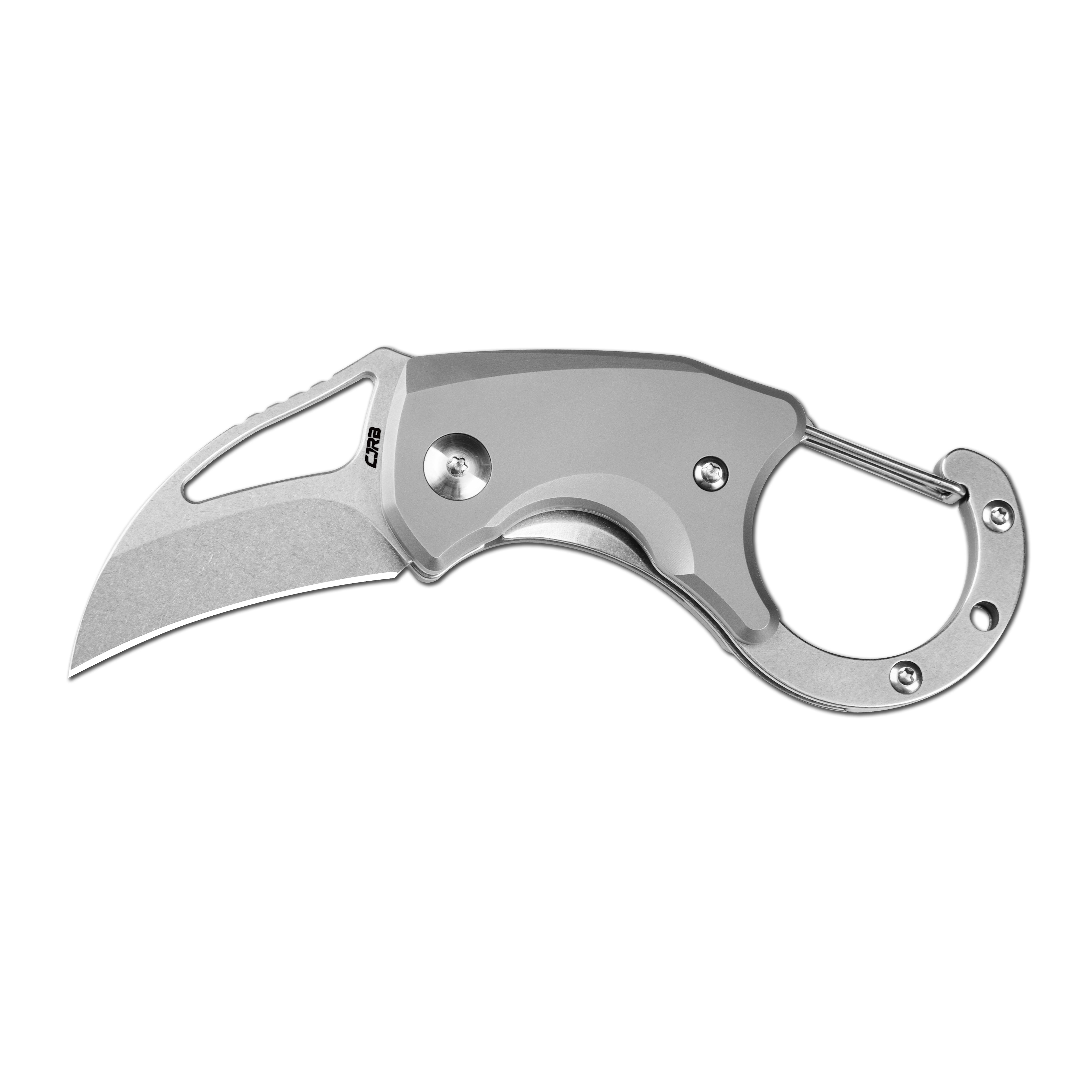
Sometimes the best knife is the one you can clip anywhere. For runners, or when wearing athletic clothing without rigid belts, you need something lightweight. The CJRB Anansi | The Ultimate Carabiner EDC Knife is unique because of its integrated carabiner. You can clip it to a pack strap or belt loop securely. Its hawkbill blade shape is also devastatingly effective for "pull cuts," making it a potent small defensive tool.
Common Pitfalls: Avoiding the "Mall Ninja" Trap
When shopping for a pocket knife self defense tool, it is easy to get distracted by looks. Here is what to avoid:
- Mystery Steel: If the blade just says "Stainless Steel" with no grade (like 440, D2, AR-RPM9), walk away. It will likely bend or lose its edge immediately.
- Over-Complicated Safeties: Some knives have secondary locks that are impossible to disengage quickly under stress. Simple is fast. Fast is safe.
- Slippery Handles: Smooth aluminum might look sleek, but if your hands are sweaty or wet, it becomes a bar of soap. Stick to G10, Micarta, or textured nylon.
Buying Checklist
Before you hit the buy button, run your choice through this quick checklist to ensure it meets the criteria of a serious self defense pocket knife.
- Lock Type: Is it a Liner, Frame, or Button lock? Can you disengage it one-handed?
- Grip: Does the handle shape prevent your hand from sliding forward onto the blade during a thrust? (Finger choils or guards are essential).
- Carry Position: Does the pocket clip allow for "tip-up" carry? This is generally preferred for faster deployment.
- Legal Status: Have you checked your local laws regarding blade length and deployment method (especially for autos and OTFs)? according to the American Knife & Tool Institute, laws vary wildly by state.
Remember, a knife is a tool of last resort. Situational awareness prevents more conflicts than any blade ever will. But if you must carry, carry something that won't fail you.
Frequently Asked Questions
1. Is a spring assisted pocket knife legal to carry everywhere?
No. While they are legal in more places than automatic (switchblade) knives, some jurisdictions restrict them based on blade length or how the mechanism is defined. Always check your local penal code or resources like the AKTI before carrying.
2. Can I use a regular EDC knife for self defense?
Yes, but with caveats. A standard EDC knife might lack the grip texture or lock strength required for defensive use. A tactical pocket knife is specifically designed to handle the high-impact forces that occur during a defensive encounter without the lock failing.
3. What is the advantage of a tanto blade for defense?
The tanto pocket knife has a reinforced point that is much stronger than a drop point or clip point. This makes it less likely to snap if it hits a hard object, like a belt buckle or bone, during a defensive situation.
4. Why is my spring assisted knife opening slowly?
This usually happens due to debris in the pivot or the pivot screw being too tight. Regular cleaning and a drop of light oil can restore the snappy action. If it persists, the torsion spring may need replacing.
5. Is a fixed blade better than a folder for protection?
Structurally, yes. A fixed blade pocket knife has no moving parts to break. However, they are harder to conceal and may be less comfortable to carry daily. A high-quality folder is often the best compromise between convenience and capability.


Leave a comment
All comments are moderated before being published.
This site is protected by hCaptcha and the hCaptcha Privacy Policy and Terms of Service apply.