

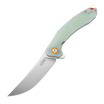
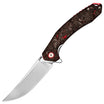
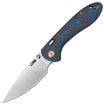
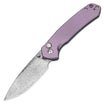

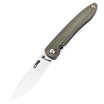
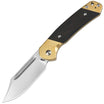
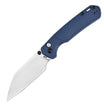
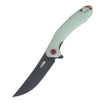
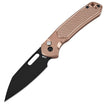
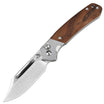
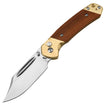
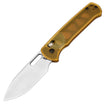
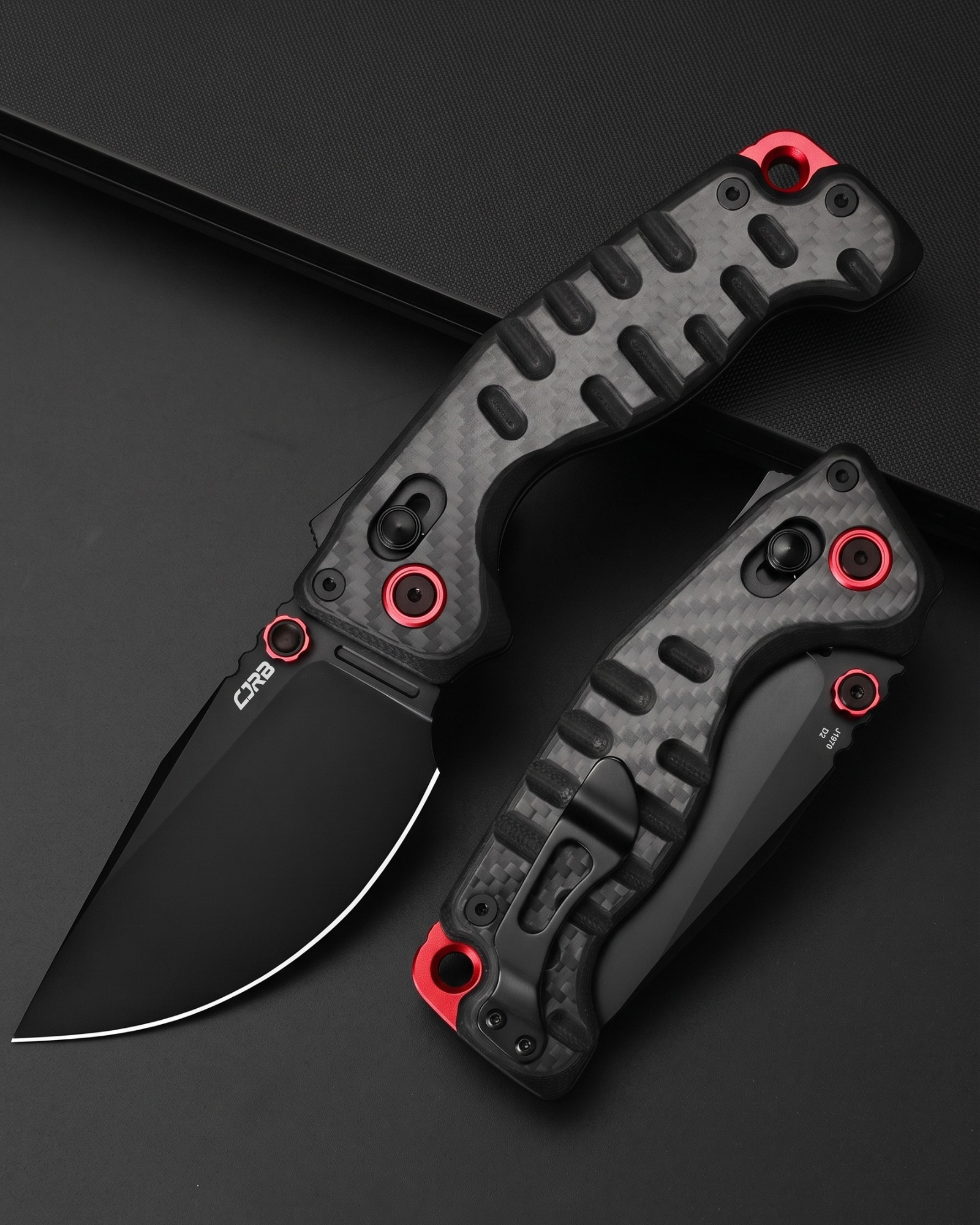
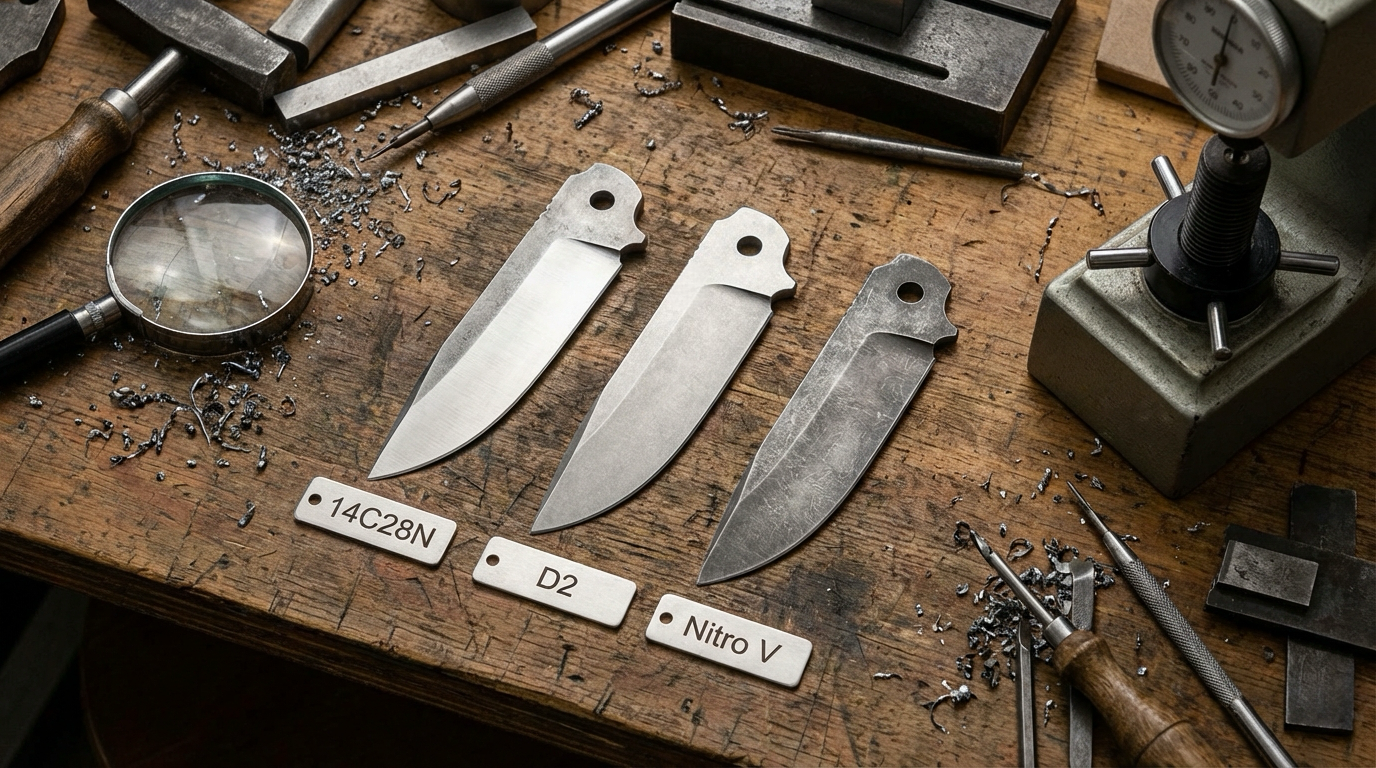
Let's be real for a second—staring at a list of steel types can feel like trying to read a different language. You see terms like 14c28n steel thrown around alongside D2 and Nitro V, and it’s hard to know what actually matters for your daily carry. I've been there, and I know that you just want a tool that works when you need it.
You don't need a degree in metallurgy to pick a good knife. In this guide, I'm going to break down the differences between these popular steels, specifically focusing on how they handle real-world tasks. Whether you are cutting cardboard, slicing apples, or just opening packages, understanding the metal in your hand makes a big difference.

The Basics: What is 14C28N Steel?
First, let's look at the star of the show. Sandvik 14c28n is a Swedish stainless steel that was originally developed specifically for knives. That might sound like a given, but many steels (like D2) started out as industrial tool steels for factory machines. Because 14C28N was designed for blades, it hits a sweet spot that many of us love.
A 14c28n knife is known for two main things: incredible corrosion resistance and high toughness. Toughness here means it doesn't chip easily when you strike something hard. Plus, it takes a "scary sharp" edge very easily. If you are new to sharpening, this steel is very forgiving to learn on.
14C28N vs D2: The Toughness Trade-Off
This is probably the most common debate I see: 14c28n vs d2. These two steels sit on opposite ends of the spectrum in the budget-friendly category.
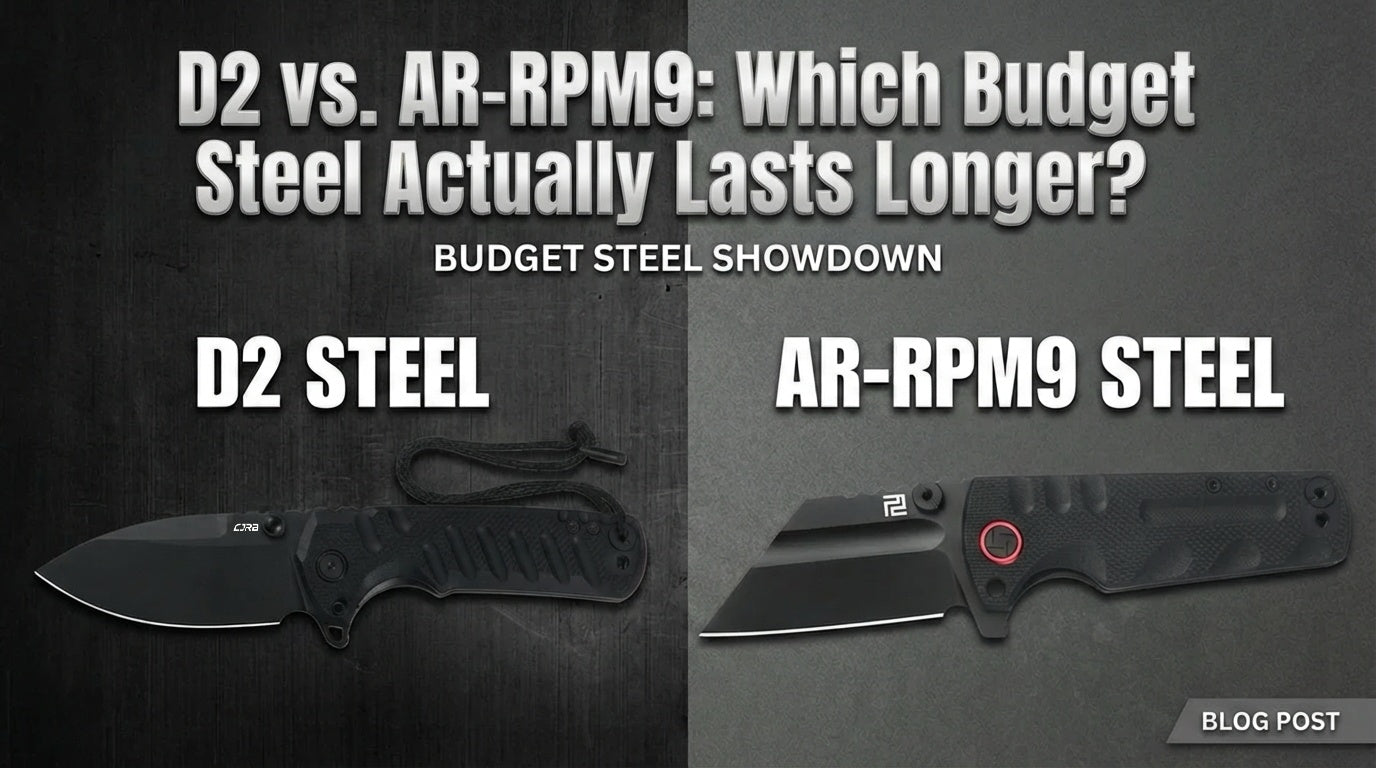
D2 is a semi-stainless tool steel. It is famous for being hard and holding an edge for a very long time. If you are the type of person who hates sharpening and just wants the knife to keep cutting, you should look at our D2 collection. However, D2 has a weakness: it isn't fully stainless. If you live near the ocean or cut a lot of fruit, D2 can develop rust spots if you don't wipe it down.
On the flip side, when looking at d2 vs 14c28n, the 14C28N steel is virtually rust-proof in normal conditions. It is also tougher than D2, meaning the edge is less likely to crack or chip under impact. The trade-off? You might have to sharpen 14C28N a bit more often than D2.

14C28N vs Nitro V: The Modern Cousins
Things get a bit trickier when we compare 14c28n vs nitro v. Honestly, these two are very similar. Nitro V is essentially an evolution of the AEB-L steel chemistry, enhanced with Nitrogen and Vanadium.
In practical terms, nitro v vs 14c28n is often a toss-up. Both are extremely stainless, and both are very tough. Nitro V is often praised for taking an even finer edge and holding it slightly longer due to the added vanadium. If 14C28N is the reliable standard, Nitro V is the slightly more modern, "souped-up" version. But for most daily tasks? You might not notice a huge difference between 14c28n knives and Nitro V ones.
Where Does AR-RPM9 Fit In?
I can't talk about these budget powerhouses without mentioning AR-RPM9. This is a proprietary steel designed by our parent company, Artisan Cutlery, specifically to solve the problems we just discussed.
We wanted something that had the corrosion resistance of 14C28N but the edge retention closer to D2. By using a spray-form process (which creates a very fine grain structure), AR-RPM9 manages to be tough, easy to sharpen, and stays sharp longer than standard stainless steels. If you want a great middle-ground performer, check out the AR-RPM9 collection.

Common Beginner Mistakes
When I first started collecting, I made plenty of errors. Here are a few to avoid regarding these steels:
- Obsessing over HRC numbers: Don't just look at the Rockwell Hardness. A super hard D2 blade might stay sharp, but it can be brittle. A slightly softer 14C28N blade is much tougher.
- Assuming "Stainless" means "Never Rusts": Even 14C28N can rust if you leave it in saltwater. "Stain-less" just means it stains less, not never.
- Ignoring sharpenability: If you don't have diamond stones or a guided system, D2 can be a pain to sharpen. 14C28N is much friendlier for beginners learning to sharpen by hand.
Which One Should You Choose?
Still undecided? Here is my simple advice on how to pick the right one for your pocket:
- Choose 14C28N or Nitro V if: You live in a humid area, work around water, or want a knife that is very easy to get razor-sharp. These are great for food prep and general utility.
- Choose D2 if: You cut abrasive materials like cardboard or carpet all day and don't want to stop to sharpen your knife. Just remember to keep it dry.
- Choose AR-RPM9 if: You want a balanced daily driver that offers the best of both worlds—high corrosion resistance with solid edge holding capabilities.
💡 Quick Tip: No matter which steel you choose, a simple leather strop can keep the edge popping sharp for weeks without needing a full sharpening session.



1 comment
David Hintermeister
I’m pretty new to knives and was fortunate enough to find the CJRB website. The information that’s accessible on this site is extremely helpful! Thank you, and CJRB will definitely be at the top of my list when buying knives!
Leave a comment
All comments are moderated before being published.
This site is protected by hCaptcha and the hCaptcha Privacy Policy and Terms of Service apply.