




The Budget Steel Dilemma
Let's be honest for a second. A few years ago, if you wanted a knife under $50, you usually had to settle for something that felt more like a soup spoon than a cutting tool. But things have changed. We are currently seeing a massive shift in what "budget-friendly" actually means.
You have the old heavyweight champion, D2, which has been the go-to recommendation for affordable toughness for decades. Then, you have the challenger: AR-RPM9. I've used both extensively, and the difference isn't just about chemistry—it's about how the knife actually lives in your pocket day-to-day.
Does the classic tool steel still hold the crown, or has the new spray-form technology made it obsolete? In this guide, we're going to break down the metallurgy, the real-world performance, and help you decide which one belongs in your EDC rotation.

The Science: Spray-Form vs. Ingot
Before we get into the cutting tests, we need to understand how these metals are born. This isn't just nerdy science talk; it directly impacts why your knife chips or rusts.
Traditional steels like D2 are made using an ingot process. Imagine pouring liquid metal into a giant mold. As it cools, the carbides (the hard bits that do the cutting) can clump together. I like to think of it like a chocolate chip cookie where all the chips are stuck in one corner. This creates weak points and uneven structures.
AR-RPM9 takes a different route. It utilizes a proprietary spray-form process. Instead of pouring a giant block, the molten steel is atomized into tiny droplets that freeze instantly before hitting the mold. This prevents those carbides from clumping. You get a perfectly even distribution—like a cookie where the chocolate is melted into every single bite.
Breaking Down AR-RPM9 Composition
So, what exactly is this material? It isn't just a random mix of elements. It was specifically engineered to fill the gap between high-corrosion resistance and edge retention—a gap that D2 often falls into.
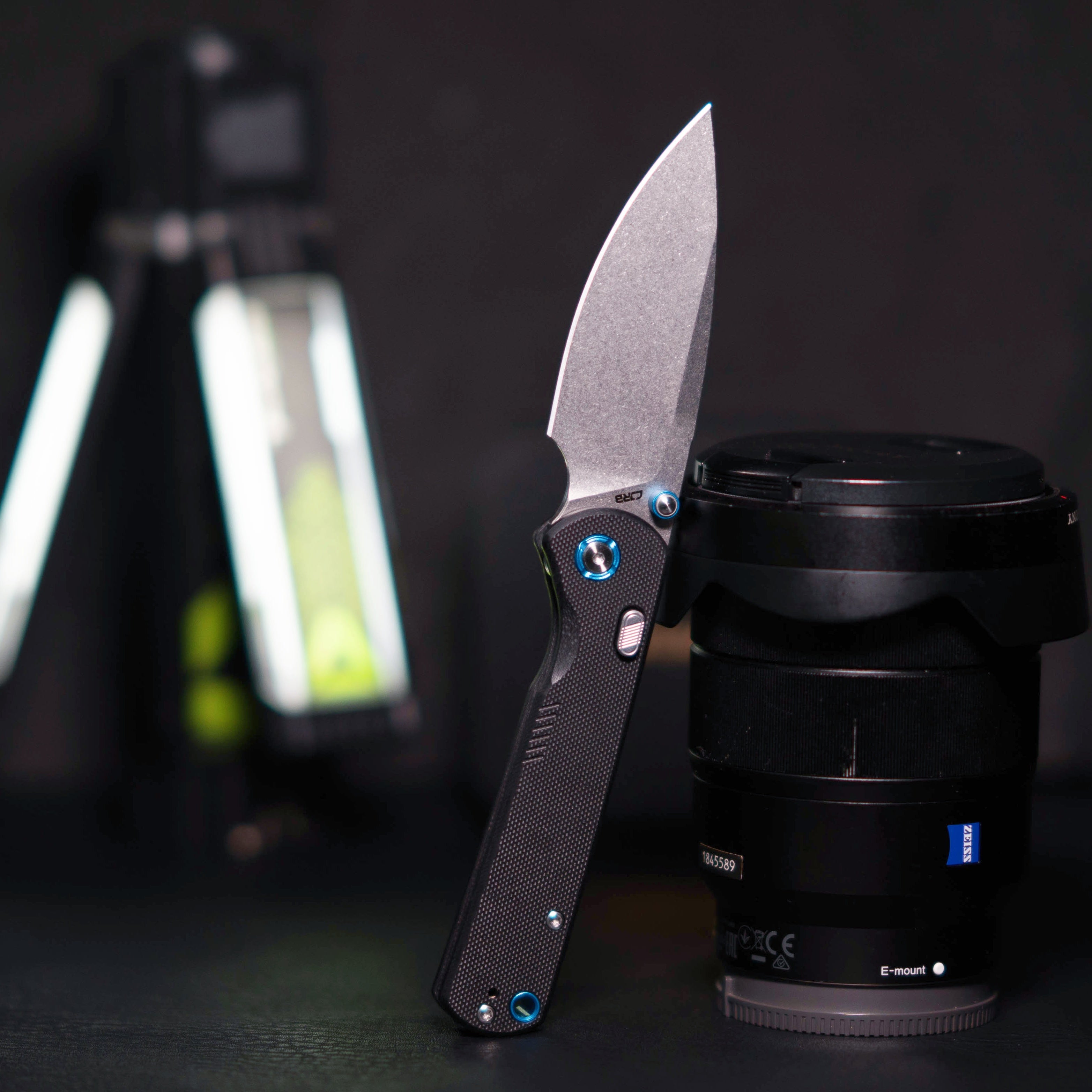
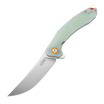
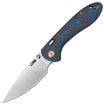
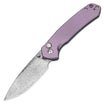
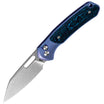
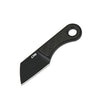
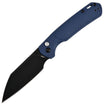
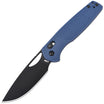
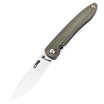
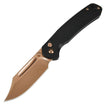
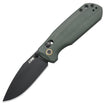
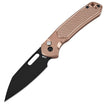
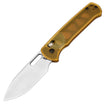
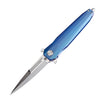
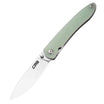
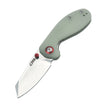
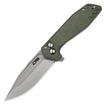
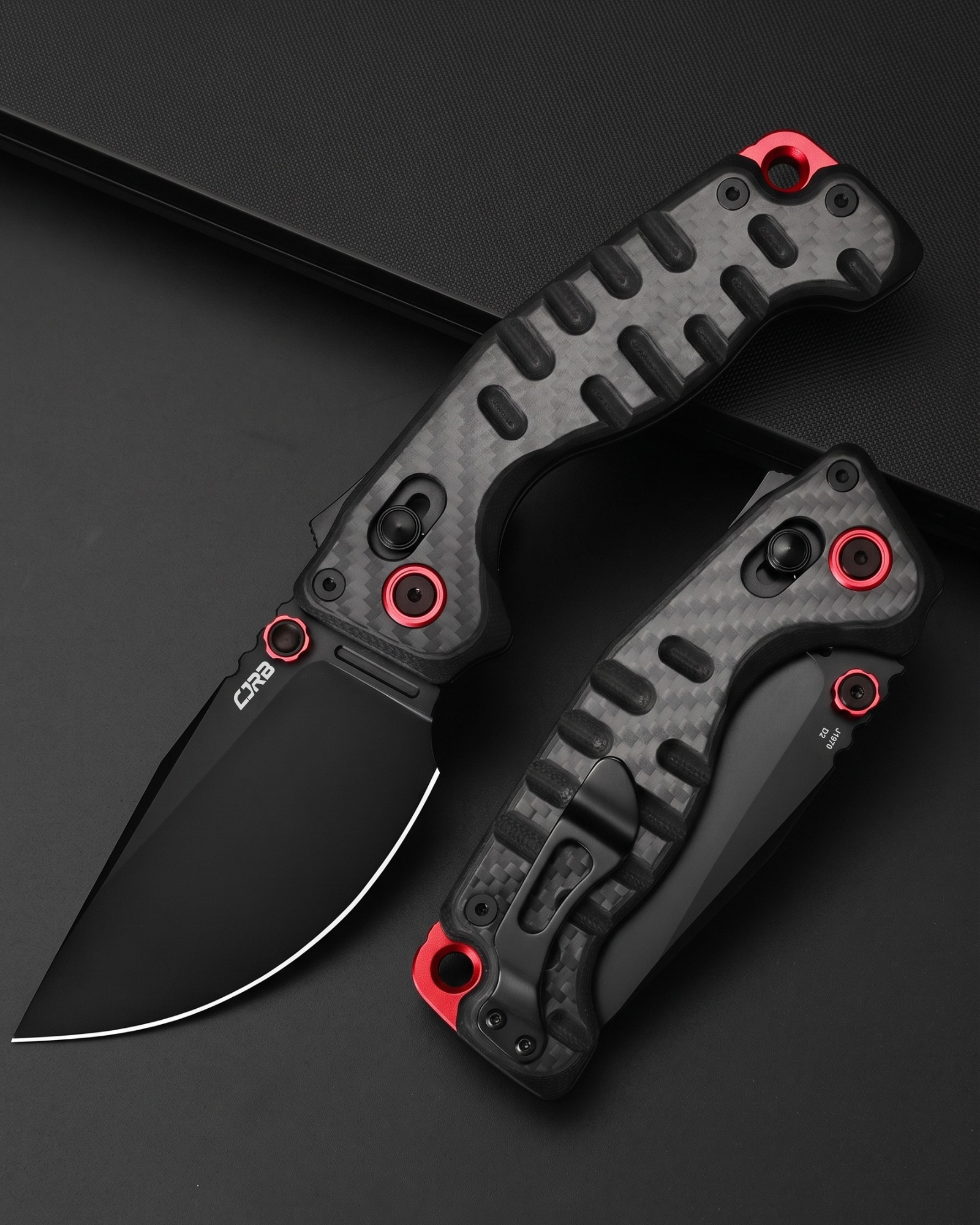
This proprietary formula is the backbone of the CJRB AR-RPM9 Steel Collection. The goal here was clearly to solve the "stainless" problem. By strictly controlling the grain structure through that spray-form method I mentioned, the steel achieves high hardness (HRC 59-61 usually) without becoming brittle. From my experience sharpening these blades, they take a screaming sharp edge much faster than their chemical makeup suggests they should.
Key Chemical Drivers:
- Chromium (Cr): High enough to be truly stainless (unlike D2).
- Nickel (Ni): Adds toughness, which is rare in budget alloys.
- Molybdenum (Mo): Enhances strength and corrosion resistance.
The Old Guard: Understanding D2 Tool Steel
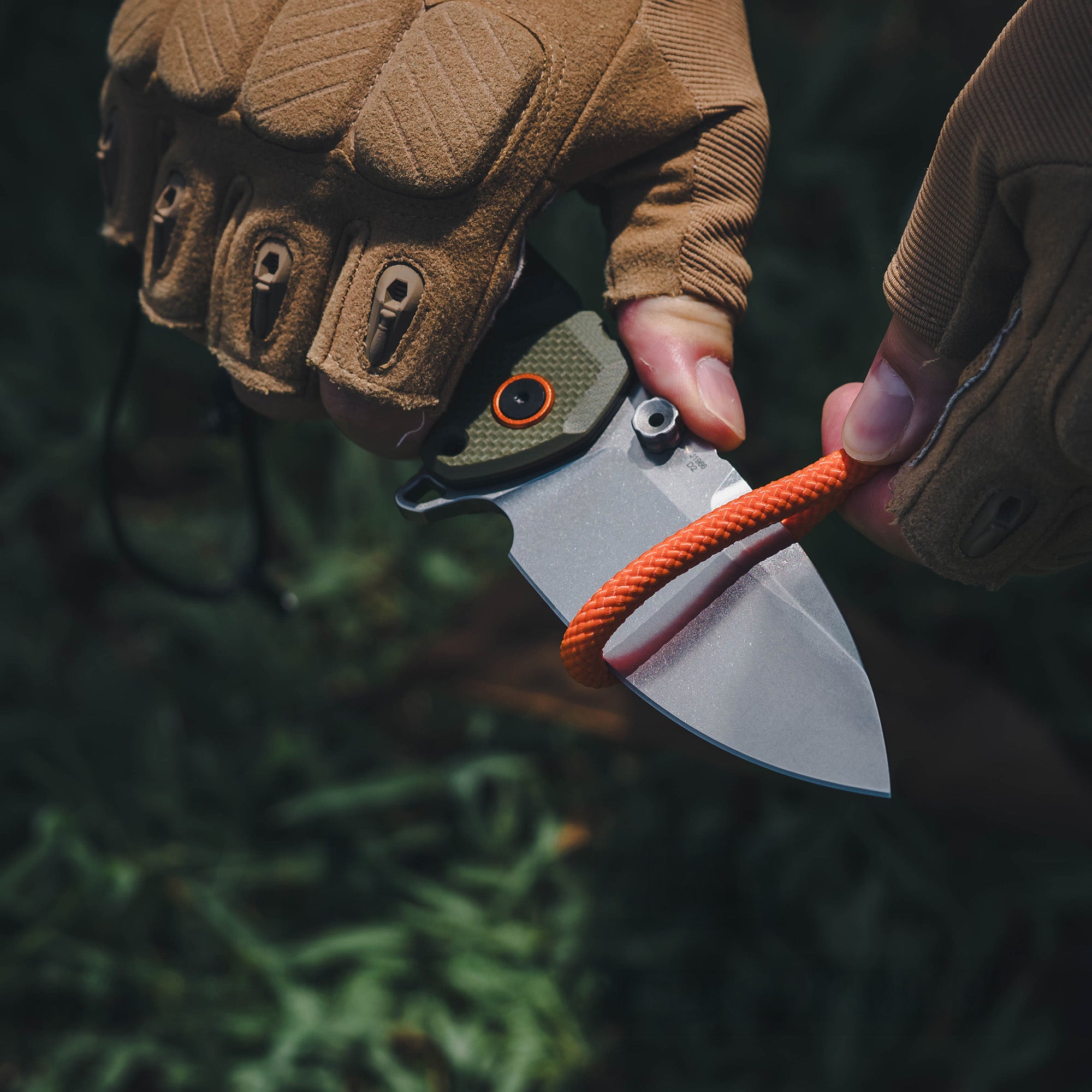
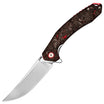
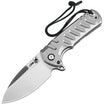
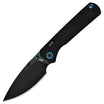
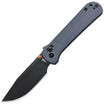
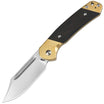
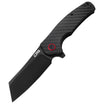
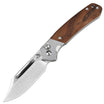
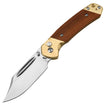
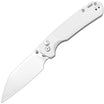
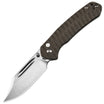
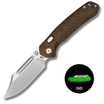
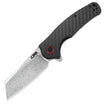
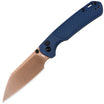
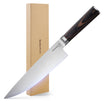
D2 is legendary for a reason. Originally developed for industrial dies used to stamp out other metal parts, it is incredibly hard. If you prioritize raw edge retention above everything else and don't mind a little maintenance, the CJRB D2 Steel Collection represents some of the best value on the market today.
However, D2 is technically "semi-stainless." It contains just enough chromium to resist rust better than carbon steel, but not enough to be truly stainless. I've had D2 knives develop orange spots just from sitting in a humid garage for a week. It requires care. You have to oil it. You have to watch it.

Head-to-Head: Performance Analysis
Here is where the rubber meets the road. I've broken down the performance into the three categories that actually matter when you are using the knife.
| Feature | D2 Tool Steel | AR-RPM9 |
|---|---|---|
| Corrosion Resistance | Low/Moderate (Semi-Stainless) | High (True Stainless) |
| Edge Retention | Excellent (Long-lasting) | Good (Balanced) |
| Ease of Sharpening | Difficult (Large Carbides) | Easy/Very Good (Fine Grain) |
| Toughness | Moderate (Prone to chipping) | High (Resists chipping) |
Corrosion Resistance: The Salt Test Reality
This is the biggest differentiator. D2 has roughly 11% to 13% chromium. In the metallurgical world, you usually need about 13-14% free chromium to be considered "stainless." D2 sits right on that borderline, and often falls below it because much of its chromium is tied up in carbides.
AR-RPM9, on the other hand, behaves like a true modern stainless steel. I have taken AR-RPM9 blades on fishing trips and food prep duties where acidic juices (like lemons) sat on the blade for twenty minutes. The result? Zero patina. If you live in a coastal area or you sweat a lot, AR-RPM9 is the clear winner here.
Sharpenability and Grain Structure
Have you ever tried to sharpen D2? It can feel like rubbing a rock against a diamond. Because of those large, clumpy carbides we talked about earlier, getting a razor-sharp, polished edge on D2 takes patience and good stones. The "toothy" edge it forms is great for cutting rope, but it struggles with fine push cuts.
AR-RPM9 is a joy to sharpen. Because the spray-form process creates such a fine grain, the steel responds immediately to ceramics and strops. You can get a hair-popping edge in half the time it takes to service a D2 blade. For the average user who doesn't want to spend their Saturday afternoon at a sharpening bench, this is a massive advantage.

Expert Perspective: Why The Shift?
Why did Artisan and CJRB invest so much in developing AR-RPM9? It wasn't just marketing. The knife industry needed a middle ground. For years, we had to choose between soft stainless steels (like 8Cr13MoV) that went dull instantly, or hard tool steels (D2) that rusted.
The introduction of this proprietary steel signals a maturity in the budget market. We are finally getting materials that offer the "best of both worlds"—the durability of a tool steel with the easy care of a kitchen knife.
Future Outlook: Is D2 Dead?
Not entirely. D2 will always have a place for people who need maximum abrasion resistance at the lowest possible cost. If you are cutting cardboard all day in a dry warehouse, D2 is still a beast.
However, for a daily carry knife—one that cuts apples, opens packages, and might get wet in the rain—AR-RPM9 represents the future. It solves the user experience issues that have plagued budget knives for years. I suspect we will see fewer brands relying on standard D2 as these spray-form steels become more accessible.
FAQ: Common Questions About AR-RPM9
1. Is AR-RPM9 better than D2?
It depends on your needs. AR-RPM9 is better for corrosion resistance, toughness, and ease of sharpening. D2 generally holds a working edge slightly longer but is harder to maintain and prone to rust.
2. Does AR-RPM9 rust easily?
No. It is a true stainless steel designed to resist corrosion significantly better than D2. While no steel is completely rust-proof, it holds up very well in humid or acidic environments.
3. How hard is AR-RPM9 steel?
It is typically heat-treated to a Rockwell hardness (HRC) of 59-61. This puts it in the "sweet spot" for balancing edge retention with toughness.
4. Who makes AR-RPM9 steel?
It is a proprietary steel manufactured exclusively for Artisan Cutlery and CJRB. You won't find it on knives from other brands.
5. Is AR-RPM9 a "super steel"?
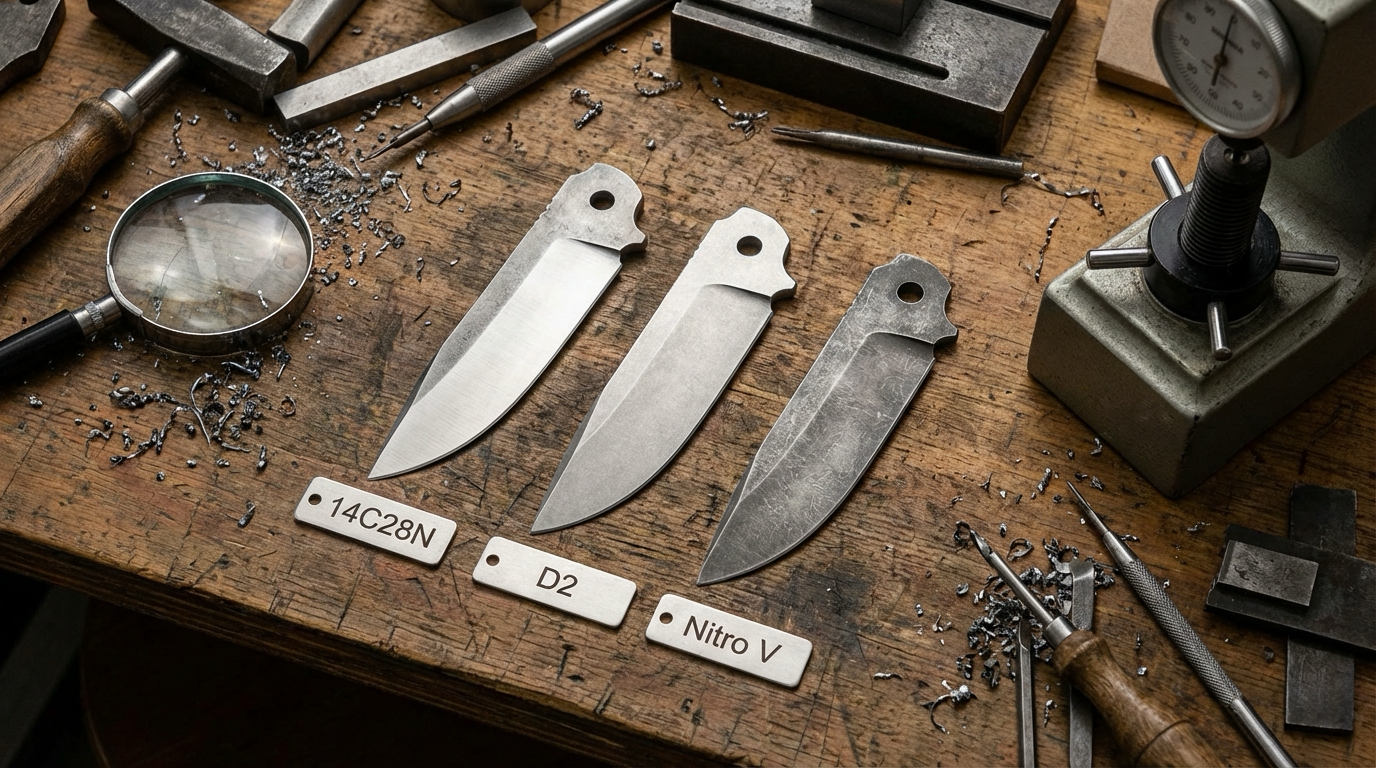
No, it is considered a high-performance budget steel. It competes with steels like 14C28N or N690, offering performance that punches well above its price tag.


Leave a comment
All comments are moderated before being published.
This site is protected by hCaptcha and the hCaptcha Privacy Policy and Terms of Service apply.