


I used to be that guy. You know the exact type. Pockets bulging with a heavy tactical blade, a flashlight the size of a baton, three different pens, a titanium pry bar, and a bulky multi-tool. I was basically walking around like a human hardware store. And for what? To open a couple of Amazon boxes and cut a loose thread off my shirt.
It took me years of carrying two pounds of metal every single day to realize my approach was completely backward. Readiness isn't about hoarding gear in your cargo pants. It's about efficiency. It's about carrying the absolute minimum required to solve 99% of your daily problems.
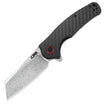
At the very center of this shift toward minimalism sits the humble edc knife. It is the anchor. If you get your blade right, everything else falls into place. Today, I want to talk about stripping away the nonsense. We are going to look at what it actually means to build a minimalist carry system, how to choose materials that make sense, and why less truly is more.

Decoding the Basics: What is a EDC?
If you step outside the gear community, the terminology can sound like a foreign language. Friends often look at my pocket clip and ask me, exactly what is a edc in practical terms? Put simply, it stands for Everyday Carry. But the philosophy goes much deeper than just the stuff you happen to have in your pockets when you leave the house.
According to the basic definition on Wikipedia's Everyday Carry page, it refers to items carried on a consistent basis to assist in dealing with normal everyday needs. I completely agree with that baseline. But I think the modern gear industry has twisted it. They want you to buy more, carry more, and obsess over matching colors.
True everyday carry is a highly personalized system. It's a calculated decision about risk versus weight. If you live in an urban environment, your risks are opening stubborn plastic packaging, slicing an apple at lunch, or maybe breaking down cardboard for recycling. You do not need a survival machete. You need a dedicated, sharp, reliable cutting tool.
The Problem with Over-Carrying
I learned this the hard way during a summer trip a few years back. The heat was brutal, I was wearing lightweight shorts, and my heavy gear was pulling my pants down. Every time I sat in a booth at a restaurant, my pockets banged against the table leg.
That physical discomfort translates directly to mental fatigue. When your gear gets in the way of living your life, it's no longer a tool. It's a burden. This is where the minimalist mindset saves you. You stop asking "what might I possibly need?" and start asking "what can I definitely not live without?"
Why the EDC Knife is Your Primary Tool
You can substitute a flashlight with your smartphone screen in a pinch. You can borrow a pen from a waiter. But if you need to cut something, nothing replaces a sharp edge. A good pocket knife is arguably the oldest human tool, refined over thousands of years into the folding mechanisms we use today.
When you are building a minimalist setup, the knife takes priority. Because you are carrying fewer items overall, the items you do carry need to be exceptionally well-made. This brings us to the conversation about blade shapes, locking mechanisms, and steel types. You have to trust the tool.
In my experience testing dozens of blades over the last year, I've noticed a strong trend toward Wharncliffe and Sheepsfoot blade shapes. They offer a straight edge that pushes material into the cut. For utility tasks, they are vastly superior to a traditional sweeping belly. You get pinpoint accuracy with the tip for detail work.
Premium Minimalism: Titanium and S90V
If you want to carry less, you usually have to invest a bit more in the things you do carry. Titanium is the undisputed king of minimalist handle materials. It is incredibly strong, entirely rust-proof, and shockingly light. When you pair it with a super-steel like CPM S90V, you get a tool that rarely needs maintenance.
The Artisan Cutlery IO Experience
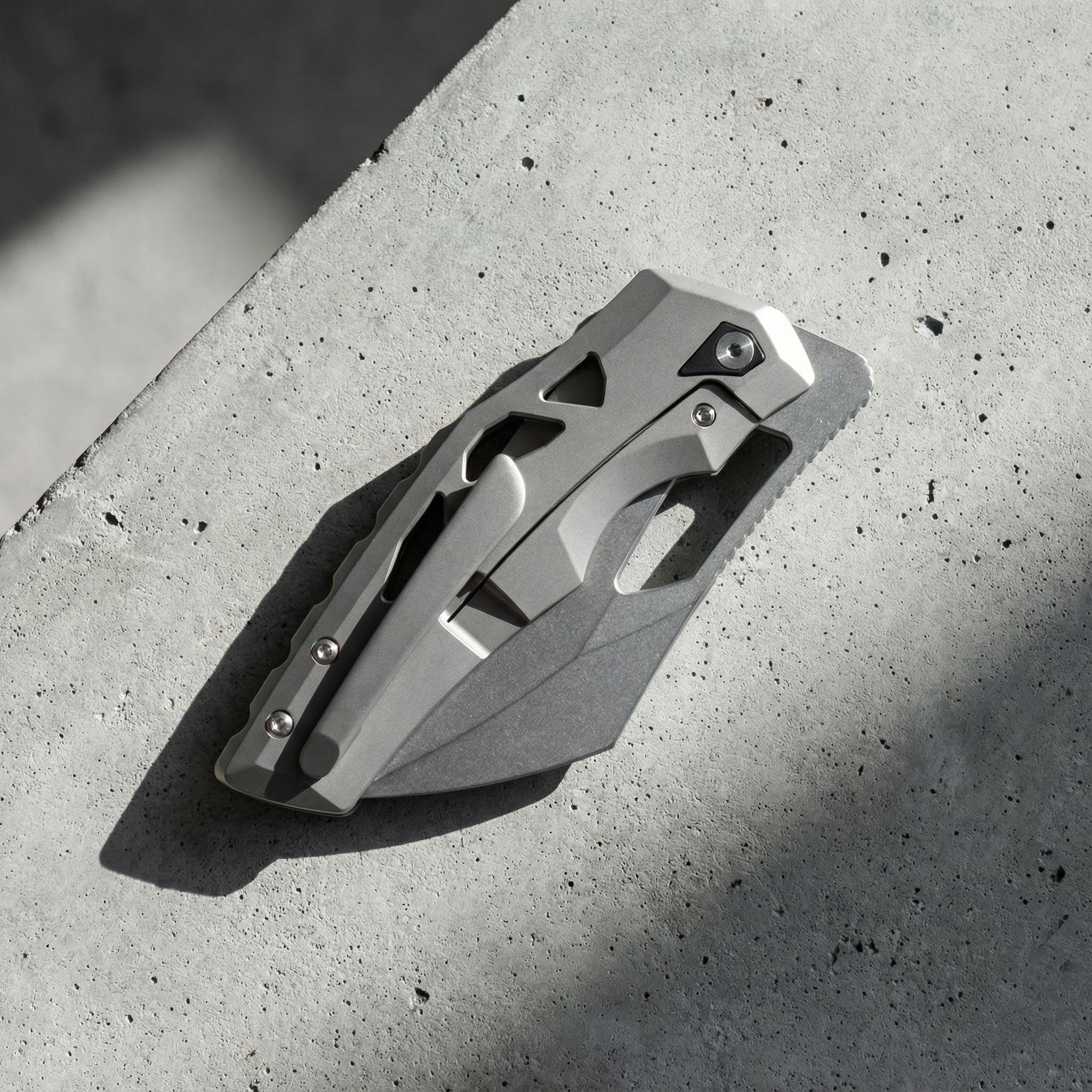
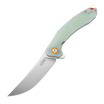
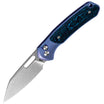
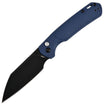
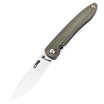
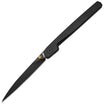
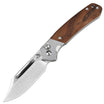
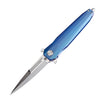
I recently spent a month exclusively carrying the Artisan Cutlery IO. It completely shifted my perspective on what a modern folder should feel like. At just 2.98oz (84.4g), it practically disappears in the pocket.
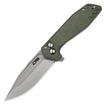
The Sand Polish finish on the 2.93-inch S90V blade is stunning. But aesthetics aside, S90V is an absolute beast for edge retention. It sits around HRC 60-62. I broke down dozens of heavy-duty moving boxes, and it still sliced paper cleanly afterward. The frame lock mechanism is snappy, riding on ceramic ball bearings. It's precisely the kind of low-maintenance, high-performance tool a minimalist needs.

The Cleo Twins: Material Dictates Character
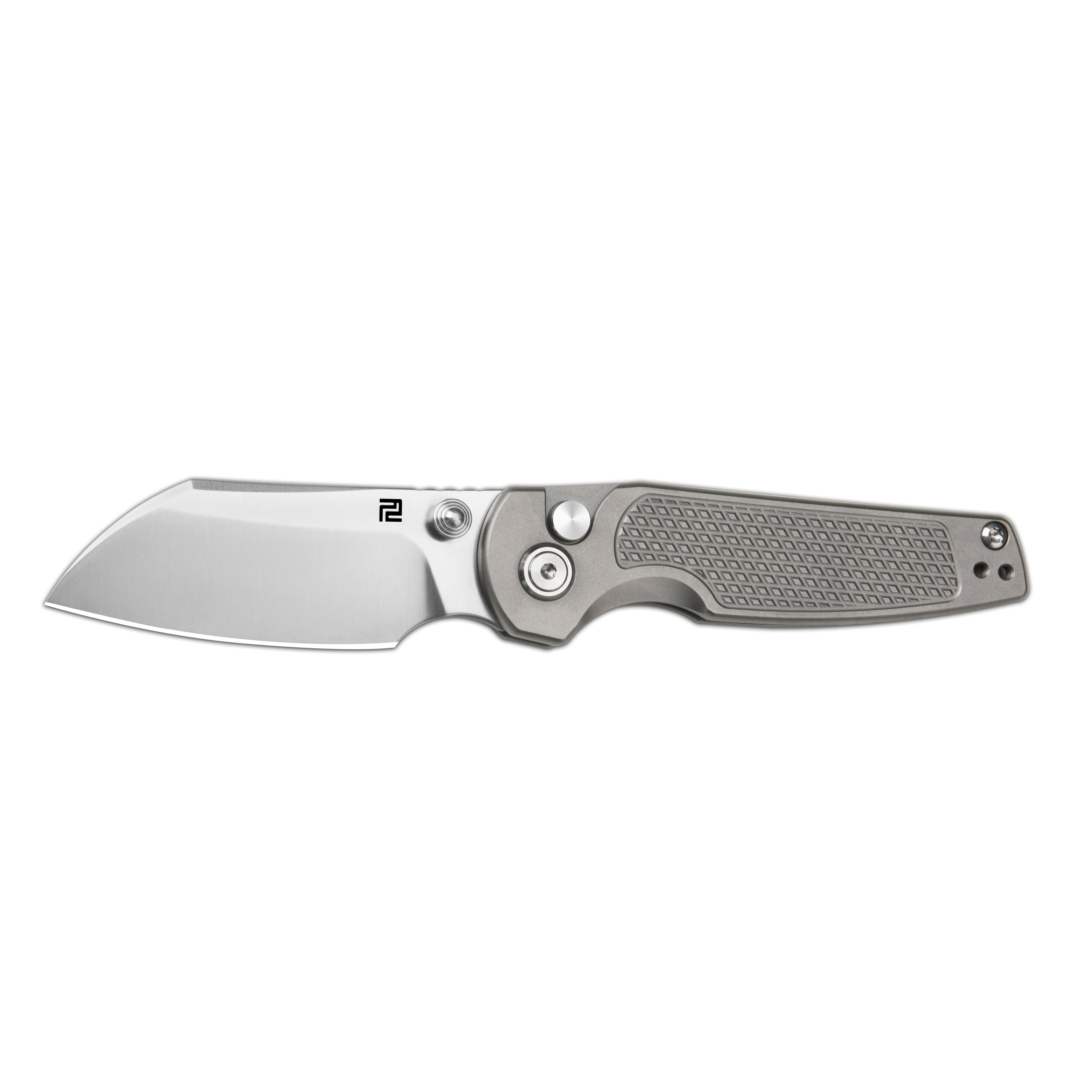
Sometimes minimalism isn't just about weight. It's about personal expression through simple objects. Johan Jordaan designed the Cleo, and it is a brilliant study in contrasting materials. I had the chance to compare two variations side by side.
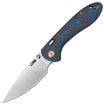
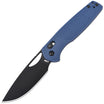
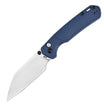
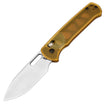
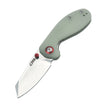
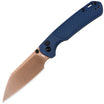
First, the Artisan Cutlery Cleo Titanium. This is the pure utilitarian approach. It weighs an impossibly light 2.36oz (67g). The button lock makes it incredibly fun to deploy. The 2.52-inch Wharncliffe blade is unintimidating, making it perfect for office environments. You pull this out to open a letter, and nobody bats an eye.
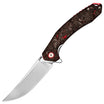
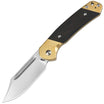
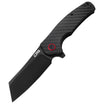
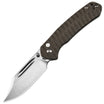
Then there is the Artisan Cutlery Cleo Copper. This one breaks the weight rule slightly, but for a fantastic reason: patina. Copper ages with you. It reacts to the oils in your hand, the humidity in your city, and the fabric of your pocket. Every scratch tells a story. While it still features that premium S90V blade, the copper handle makes it feel like an heirloom.
- Ultra-lightweight for daily carry
- Complete corrosion resistance
- High structural rigidity
- Develops a unique personal patina
- Distinctive, classic aesthetic
- Added weight feels substantial in hand
Understanding AR-RPM9: The Working Man's Steel
I know a lot of people read about S90V and balk at the price tags. Minimalism shouldn't require you to empty your bank account. You can absolutely achieve peak readiness on a budget, provided you understand steel chemistry.
Let's talk about ar-rpm9. This is a proprietary steel formulation developed specifically to solve a frustrating industry problem. Traditionally, budget steels were either easy to sharpen but lost their edge quickly (like 8Cr13MoV), or they held an edge okay but rusted easily (like D2). According to metallurgy experts, creating a fine-grained structure via specialized smelting processes changes the game entirely.
AR-RPM9 hits a sweet spot. It reaches a hardness of HRC 59-61. It holds an edge significantly longer than standard budget stainless steels, yet it resists corrosion beautifully. If you live in a humid climate or sweat a lot during the summer, this is a massive advantage.
Testing the Bowie Pyrite
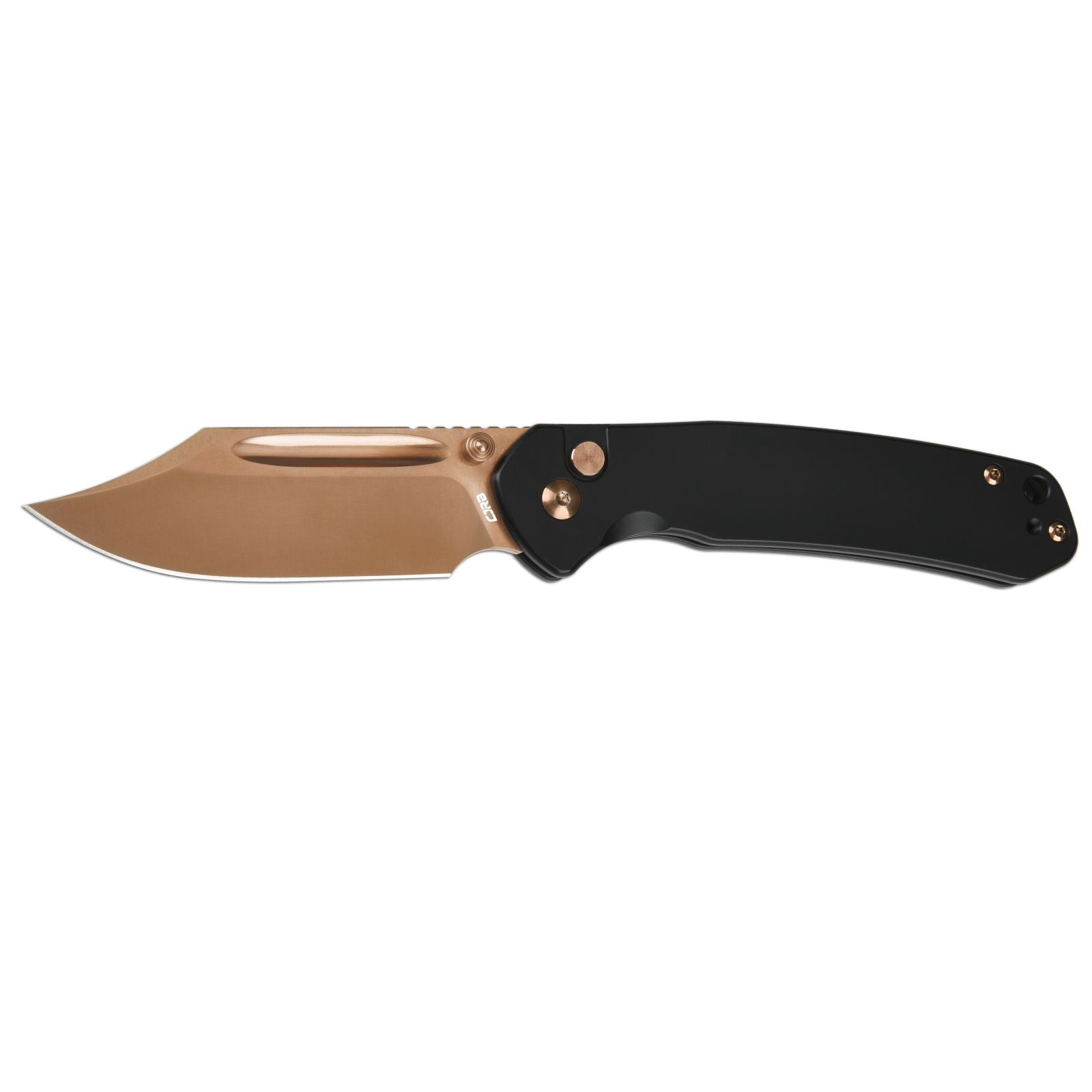
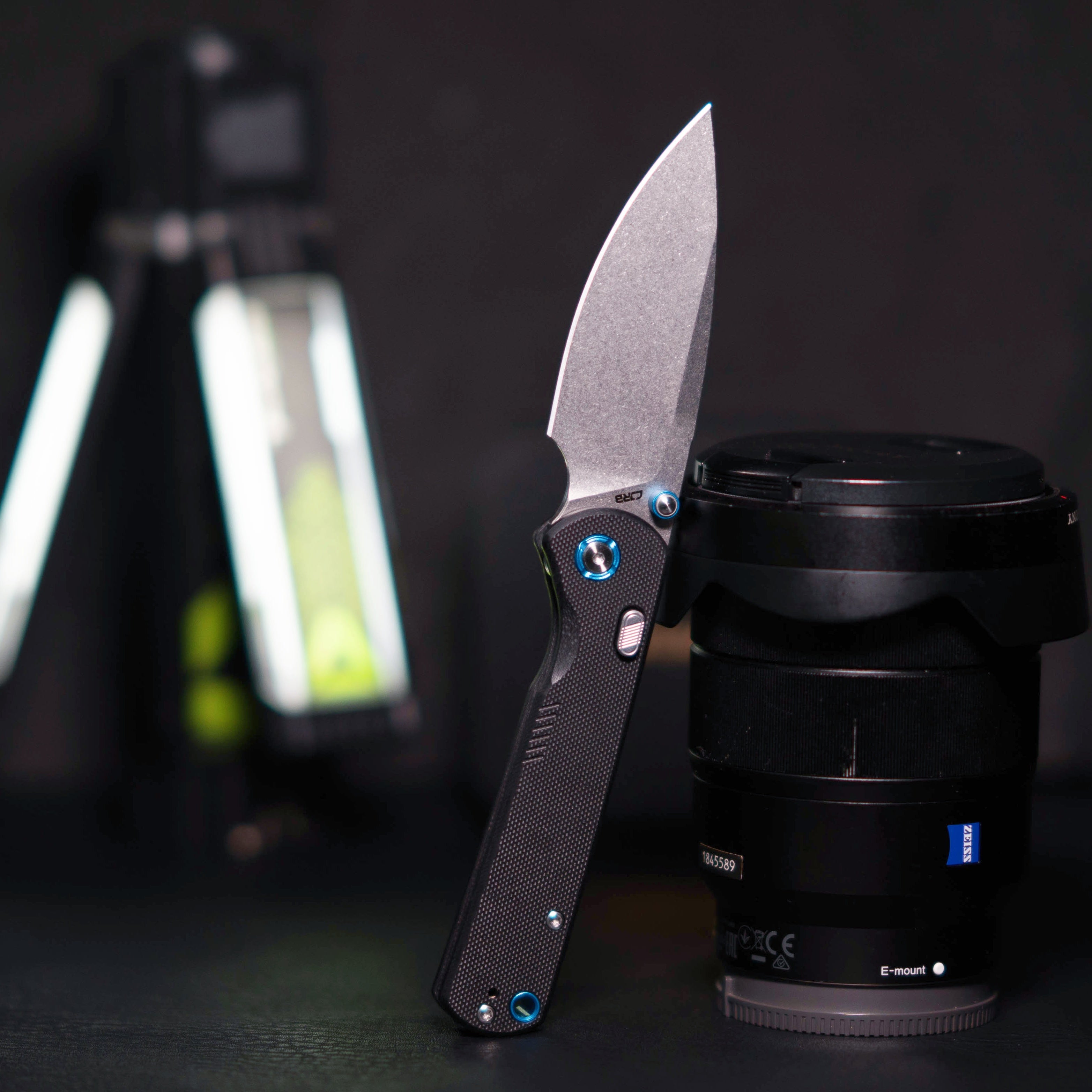
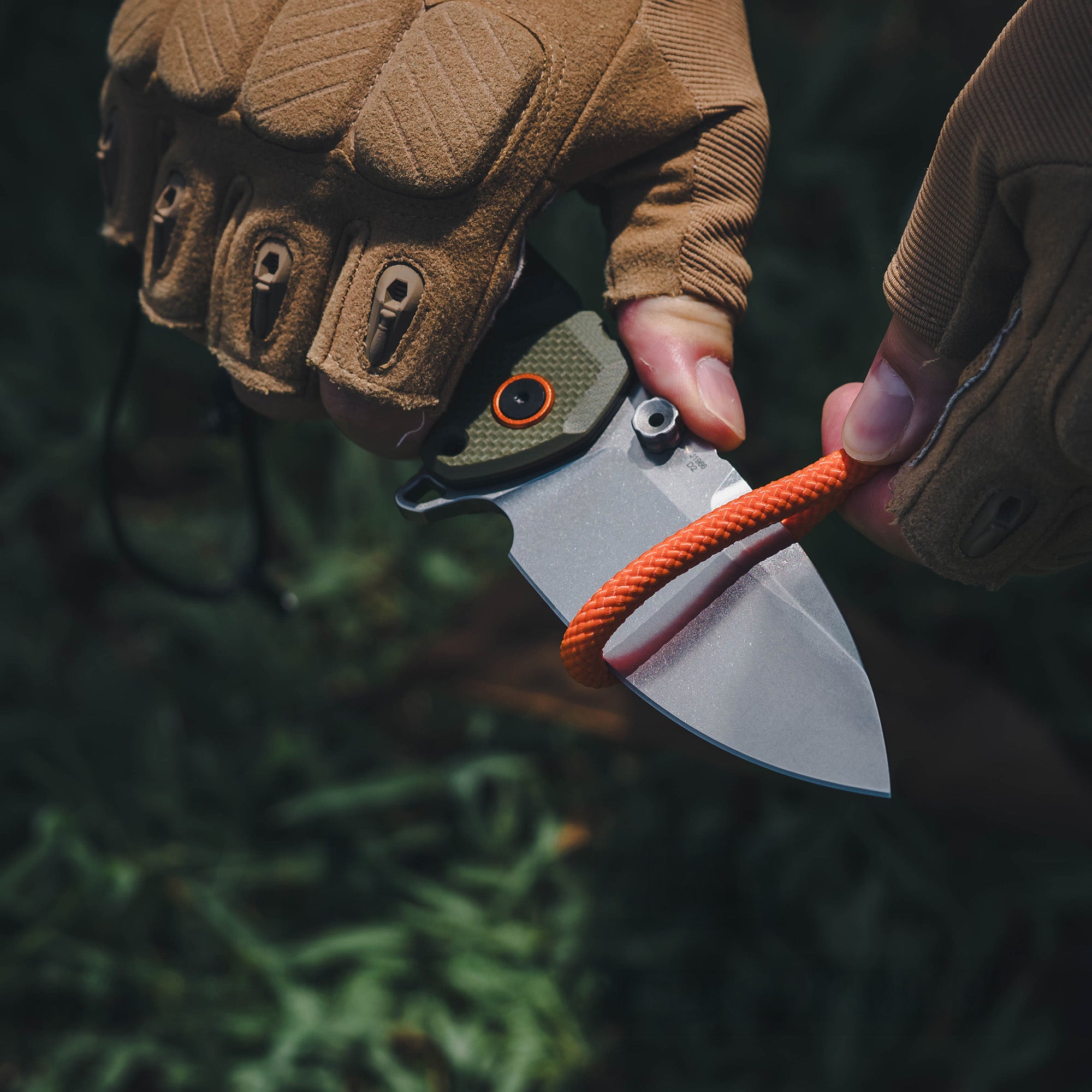
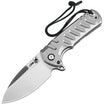
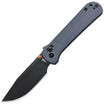
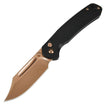
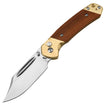
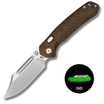
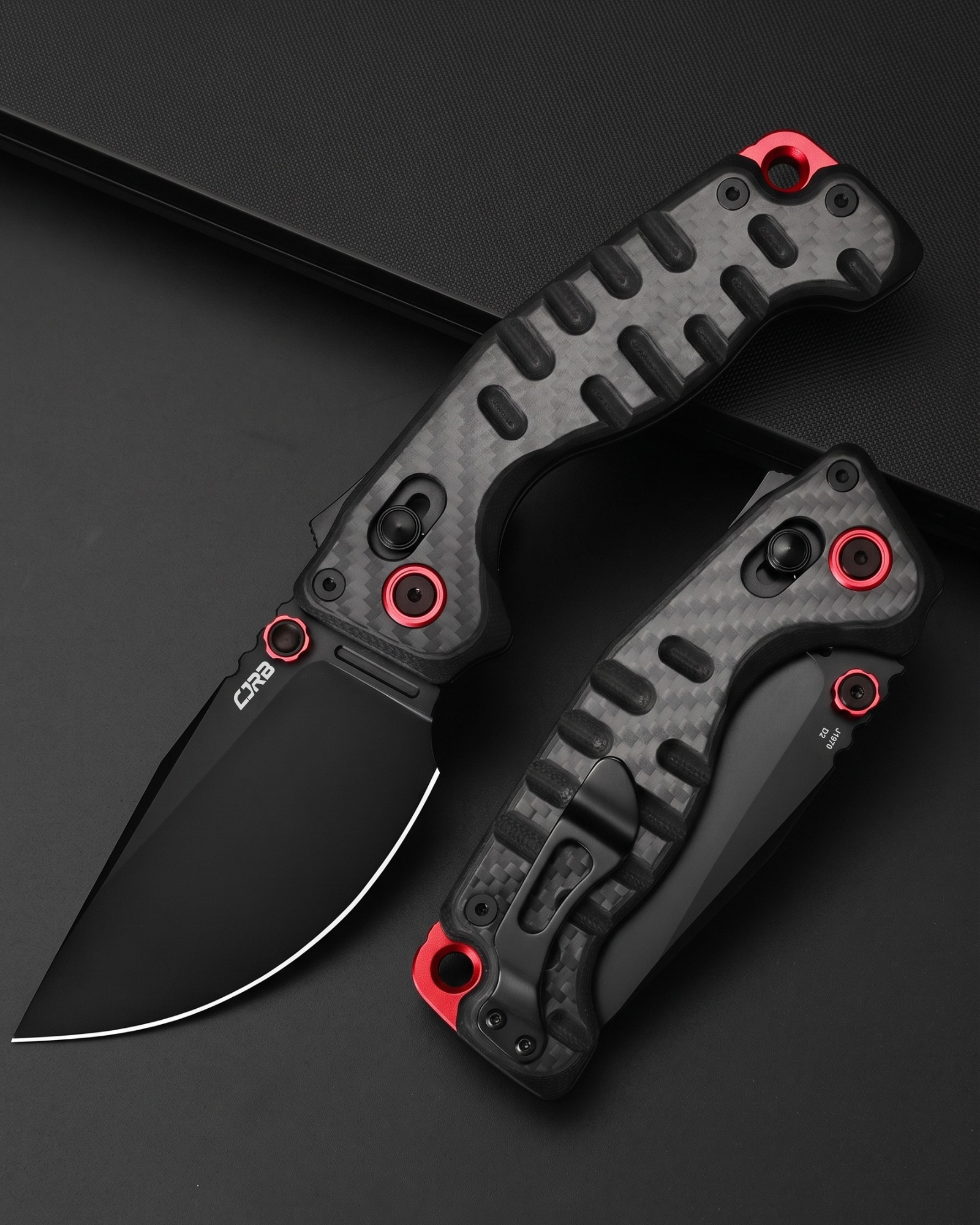
To really see what this steel could do, I put the CJRB Bowie Pyrite in my pocket for heavy weekend chores. First off, the Rose Gold blade finish on steel handles gives it a surprisingly classy look for a $49.99 knife. The clip point blade (3.15 inches) is incredibly versatile.
I used it to cut thick zip ties, break down heavy garden soil bags, and whittle some sticks by the fire pit. The button lock kept my fingers completely out of the blade path during closing. After two days of hard abuse, the edge only needed a few quick passes on a ceramic rod to get back to shaving sharp. That is the beauty of this proprietary steel: it respects your time.
Lightweight Carry for the True Minimalist
Weight is the enemy of consistency. If your gear is heavy, you will eventually find excuses to leave it on your nightstand. I've done it. You think to yourself, "I'm just running to the grocery store, I don't need my 6-ounce knife." And that's exactly when you'll need it.
To combat this, polymer handles have become incredibly popular. FRN (Fiberglass Reinforced Nylon) is arguably the most practical handle material ever invented for pocket tools. It's virtually indestructible, impervious to moisture, and weighs next to nothing.
Enter the Pyrite-Light
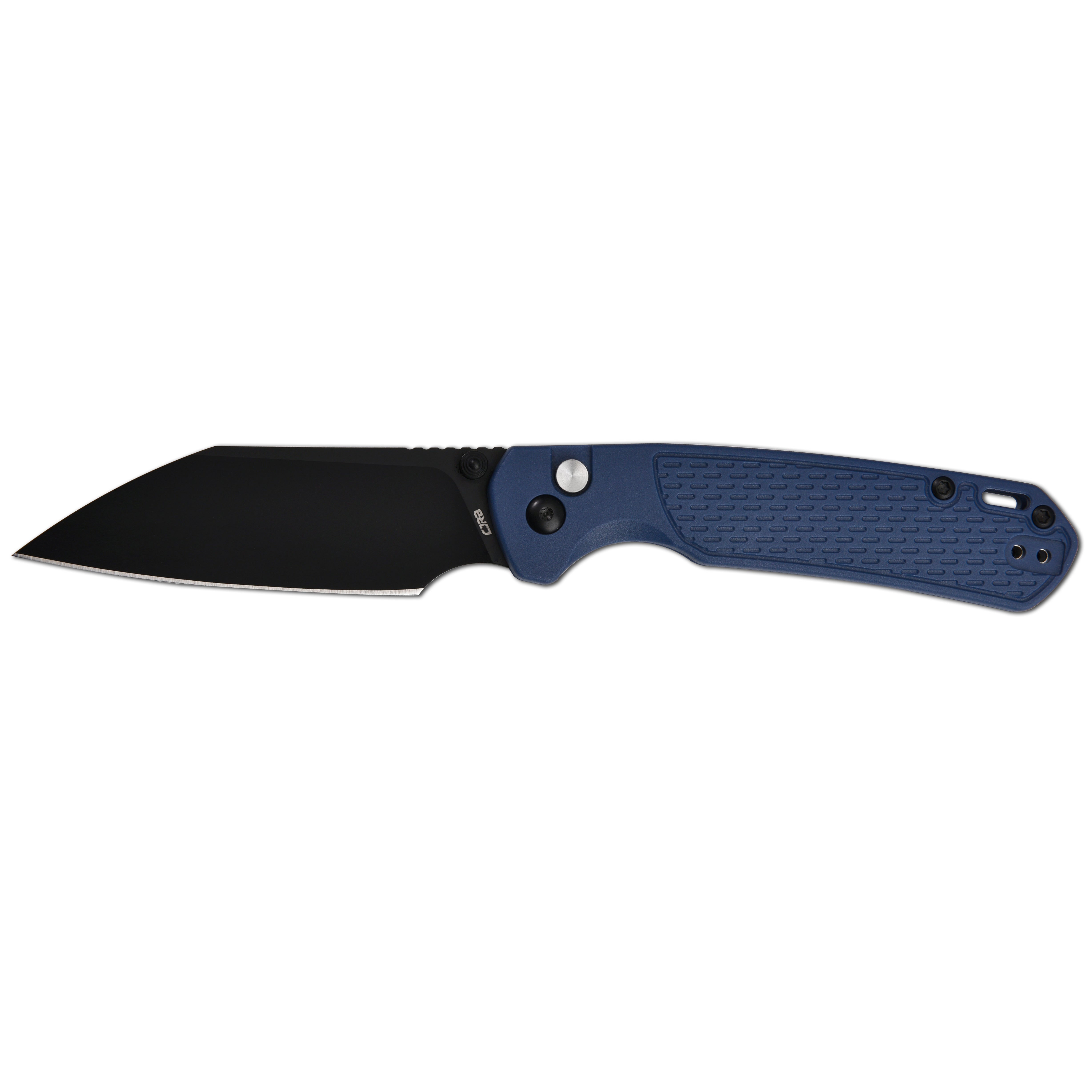
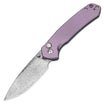
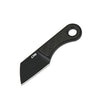
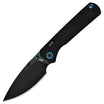
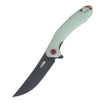
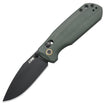
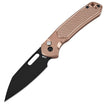
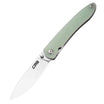
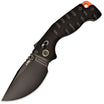
For those who want zero pocket drag, the CJRB Pyrite-Light is a revelation. They took the beloved Pyrite platform, swapped the heavy scales for FRN, and gave us a 3.34-inch Wharncliffe blade in AR-RPM9. The Black PVD coating on the blade adds an extra layer of corrosion resistance while keeping things stealthy.
The entire package weighs just 2.82oz (80g). For a knife with over three inches of cutting edge, that weight ratio is outstanding. You clip it to your gym shorts, and it doesn't pull them down. It's the perfect summer carry option.
Integrating EDC Tools Without the Bulk
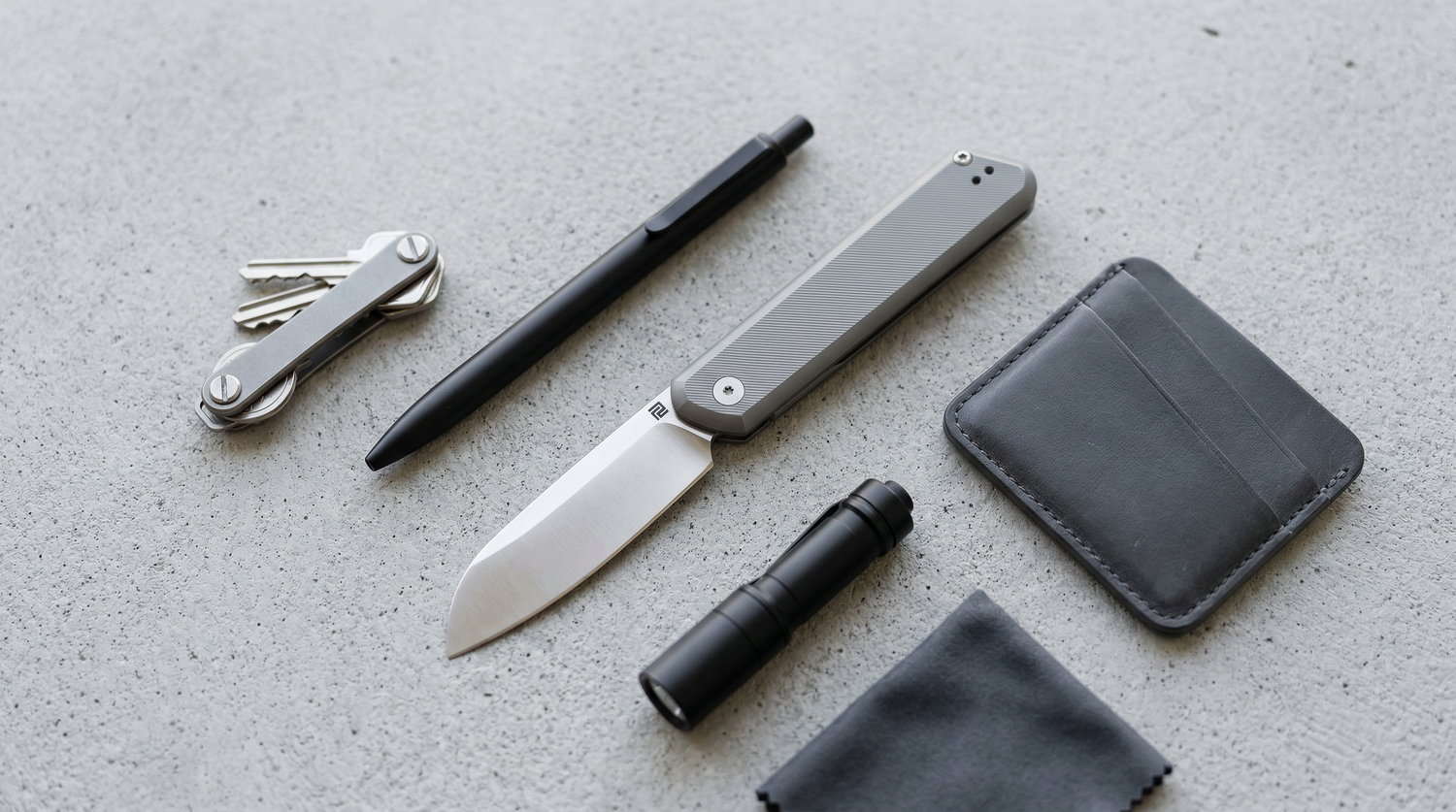
A minimalist setup usually consists of three core items: a blade, a light, and a wallet. Maybe a pen if your profession demands it. The trick is making sure these edc tools play nicely together in your pockets.
I strongly advocate against giant multi-tools unless you are an electrician, a mechanic, or working in the trades. For the average office worker or urban commuter, a dedicated folding knife is far more useful than a pair of mediocre pliers and a tiny, dull blade hidden inside a bulky metal brick.
If you must carry additional items, look into pocket organizers. A simple leather slip can hold a slim flashlight, a brass pen, and your folding knife. This prevents them from clanking against each other at the bottom of your pocket, which ruins the finish and creates annoying noise when you walk.

The Psychology of the Button Lock
Let's take a slight detour to talk about locking mechanisms. As minimalists, we want our tools to be intuitive. Frame locks are great, but they require you to put your finger in the path of the blade to disengage them. It takes practice to do it safely with one hand.
Button locks have entirely changed my carry rotation. Knives like the Cleo and the Pyrite series utilize this mechanism. You press the button, gravity takes over, and the blade swings shut. Your fingers are completely safe. It's an elegant, simple solution to a decades-old problem.
Honest truth? It also adds a massive fidget factor. I find myself mindlessly opening and closing the Pyrite while on long conference calls. The ceramic ball bearings make the action incredibly smooth. A tool that is enjoyable to use is a tool you will actually carry.
Auditing Your Pockets: The 30-Day Challenge
I challenge you to try something this month. It's a simple audit of your daily carry habits. Empty everything you normally carry onto a table. For the next 30 days, strip it down to the bare essentials. Your phone, your keys, a slim wallet, and one primary cutting tool.
Leave the pry bar at home. Leave the backup flashlight in your car's glovebox. Leave the multi-tool in your backpack.
Pay close attention to what happens. I guarantee you will notice two things. First, your pants will fit better. Second, you won't actually miss the extra gear. The few times you do need a tool, your dedicated blade will handle it. The Wharncliffe tip of the Cleo or Pyrite-Light will open those plastic clamshell packages faster than any multi-tool ever could.
Building Your Personal System
When selecting that one crucial blade for your challenge, match the specs to your environment:
| Model | Best For | Key Advantage |
|---|---|---|
| Artisan IO | Office / Executive | Premium S90V edge retention |
| Artisan Cleo Copper | Collectors / Weekend | Develops beautiful patina |
| Bowie Pyrite | Outdoor / Chore work | Tough clip point utility |
| Pyrite-Light | Gym / Summer carry | Ultra-light 80g weight |
Maintenance in a Minimalist World
Part of carrying less gear means taking better care of the gear you have. You don't need a massive sharpening system taking up space in your garage. A simple dual-sided ceramic stone and a leather strop will keep your edges razor-sharp for years.
A drop of oil on the pivot and occasional stropping extends life dramatically.
For AR-RPM9, I wipe the blade down with a dry cloth after cutting anything acidic, like fruit. Because it is highly stain-resistant, that's usually all it takes. For the ceramic bearings in the pivot, a tiny drop of knife oil every six months keeps the action firing perfectly. Minimalism is about intentionality. Treat your tools well, and they will never fail you when you need them.
The Bottom Line on Carrying Less
Transitioning to a minimalist setup isn't about restricting yourself. It is about freeing yourself from pocket clutter. By choosing high-quality, purpose-built items, you elevate your daily routine. You stop fumbling for the right tool because you only carry the right tool.
Whether you lean toward the premium titanium feel of the Artisan IO, the historic charm of the Copper Cleo, or the ultra-lightweight practicality of the Pyrite-Light, the core philosophy remains identical. Carry only what you need. Trust your blade. Keep it sharp. The rest is just noise.
Frequently Asked Questions
1. What makes a folding blade suitable as an edc knife?
A good daily carry knife should balance weight, edge retention, and ergonomics. It needs to be light enough to carry comfortably, feature a pocket clip for easy access, and use a steel (like S90V or AR-RPM9) that holds up to daily utility tasks without constant sharpening.
2. How often do I need to sharpen my blade?
It depends heavily on the steel and your usage. A high-end steel like CPM S90V might only need sharpening once or twice a year under normal use. A proprietary formulation like AR-RPM9 is incredibly tough but might need a quick touch-up on a ceramic rod every few months to maintain a razor edge.
3. Are button locks safe for pocket carry?
Yes. Modern button locks, especially those from reputable brands, have strong spring detents. They will not accidentally deploy in your pocket. Furthermore, they keep your fingers out of the blade path during closing, making them inherently safer to operate than traditional liner locks.
4. Does copper handle material smell or turn green?
Raw copper will oxidize and develop a patina over time, which is highly sought after by collectors. It can leave a slight metallic scent on your hands after heavy use. If you dislike the natural aging process, titanium or FRN scales are a better maintenance-free alternative.
5. Can I travel with my daily carry knife?
Always check local laws before traveling. Most locking folders with blades under 3 inches (like the Artisan IO or Cleo) are legal in many jurisdictions, but they are strictly prohibited in carry-on luggage on airplanes. Always place them in your checked baggage.



Leave a comment
All comments are moderated before being published.
This site is protected by hCaptcha and the hCaptcha Privacy Policy and Terms of Service apply.