

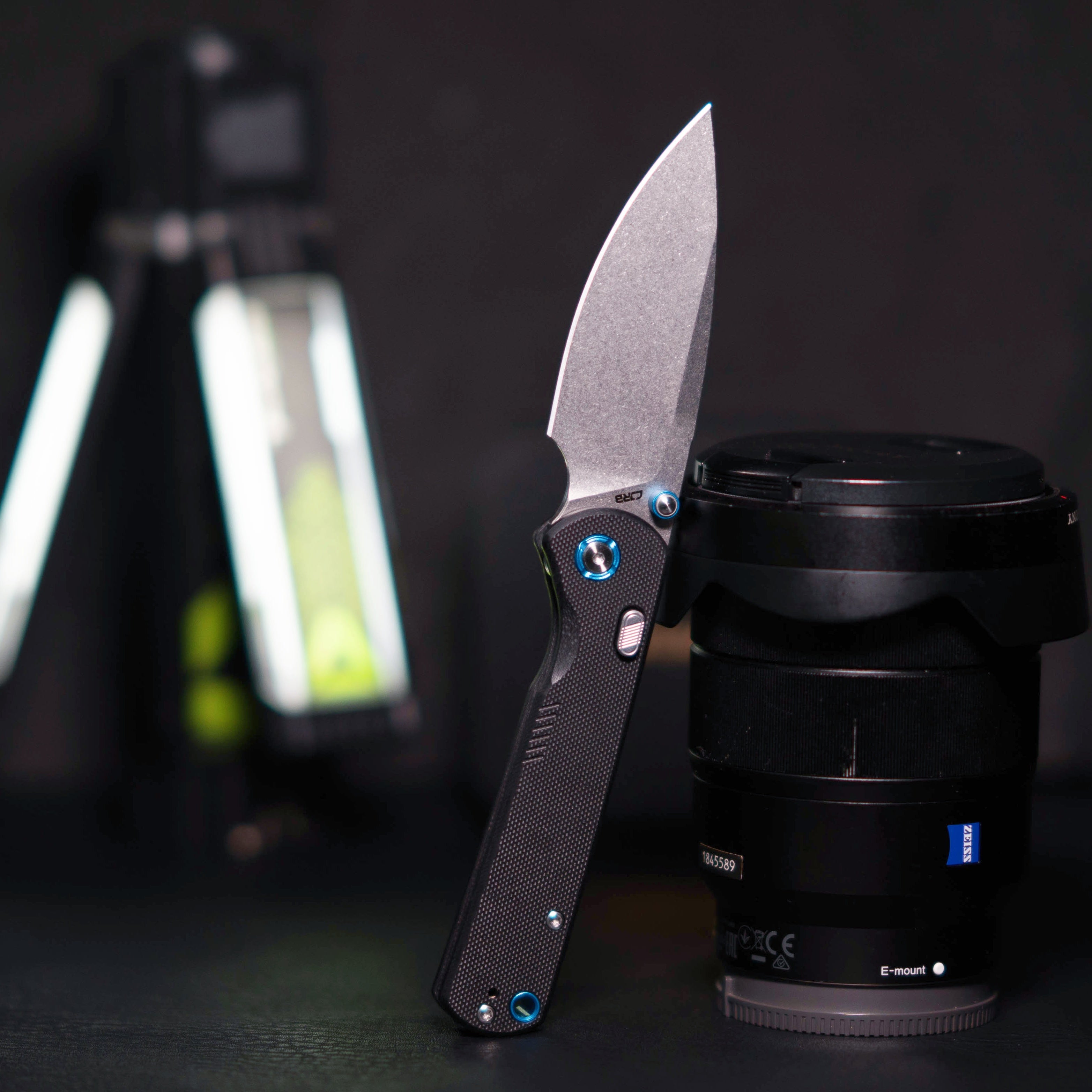
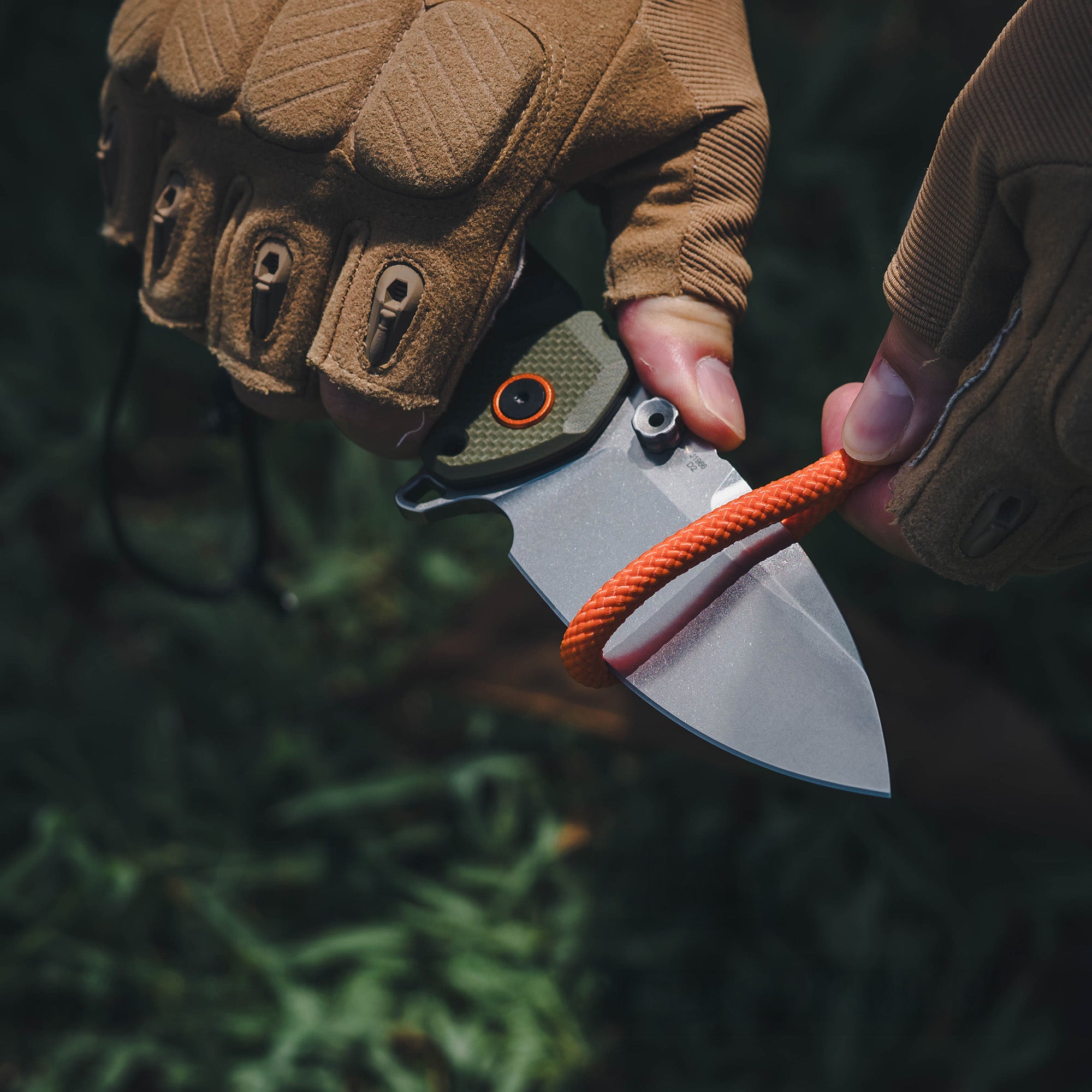
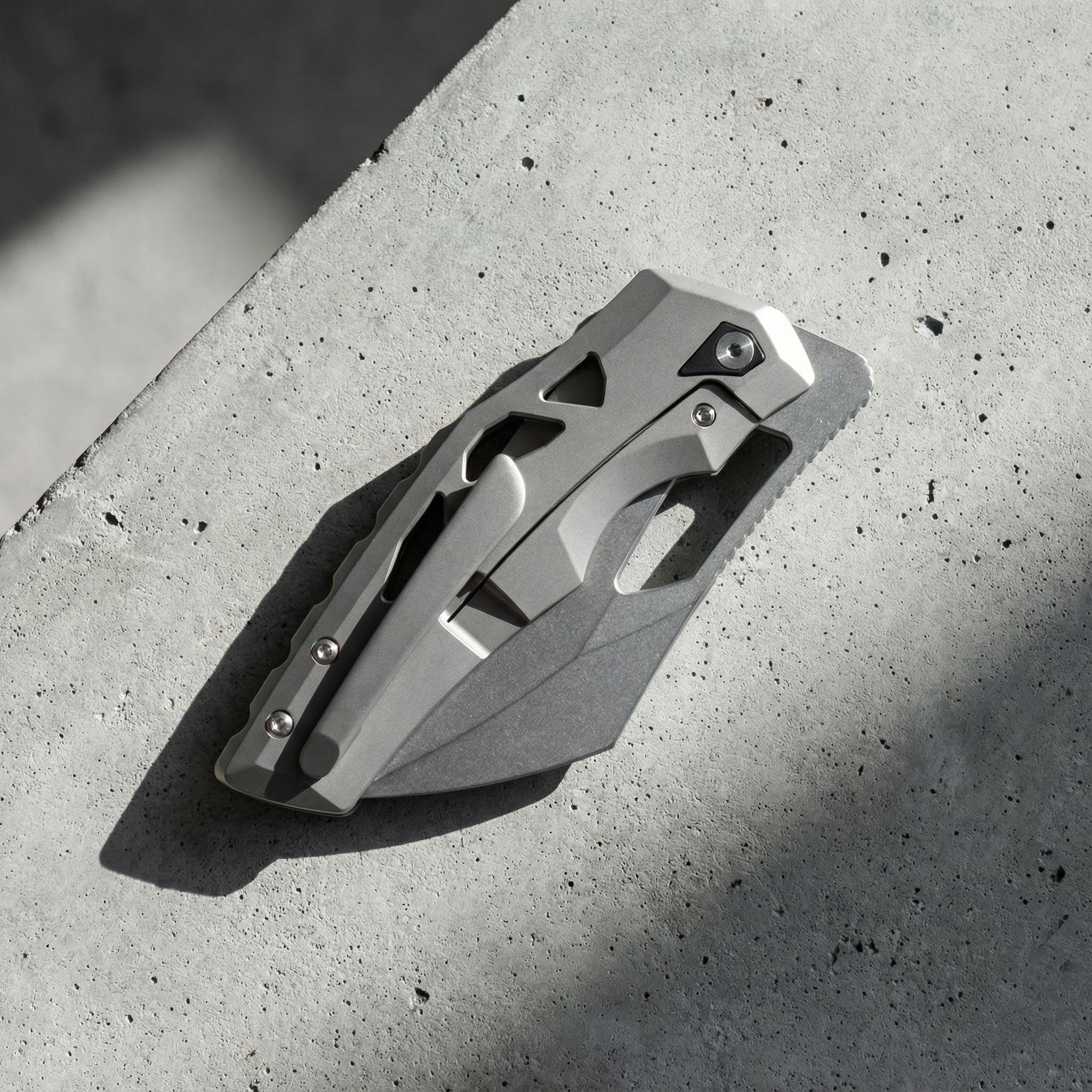
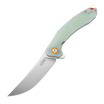
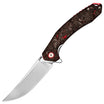
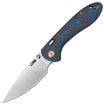
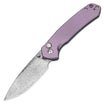

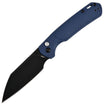
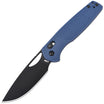
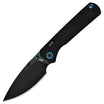
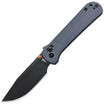
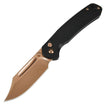
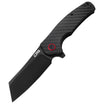
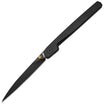
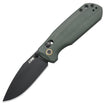
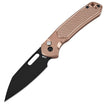
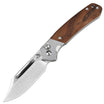
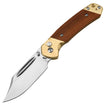
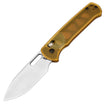
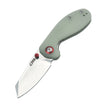
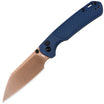
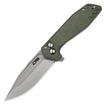
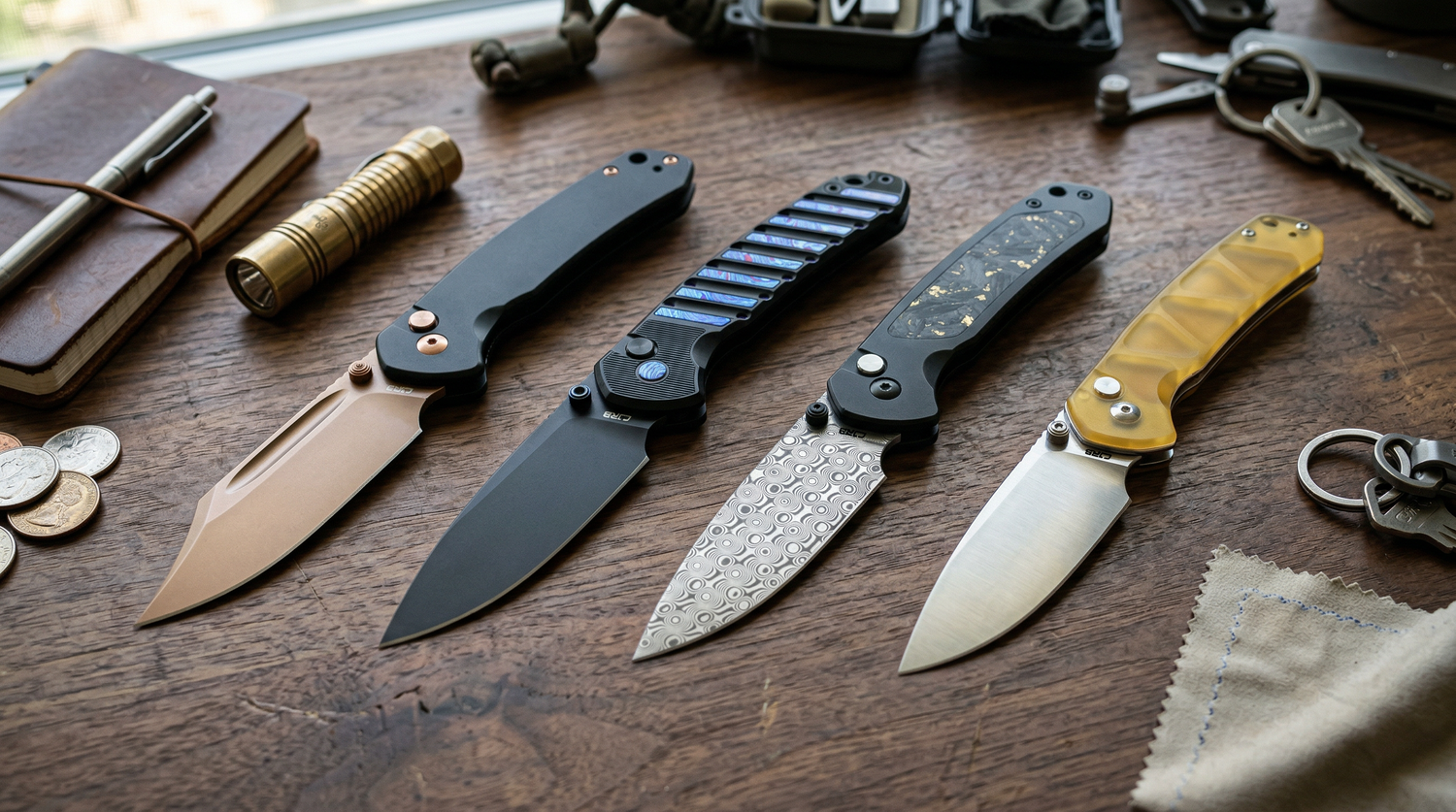
Let's be completely honest. If you bought a sub-$50 pocket knife a decade ago, you were just happy if the locking mechanism didn't fail on you. The market was flooded with mystery metals and questionable heat treatments. Today? The budget knife sector is intensely competitive. We get flawless ceramic ball-bearing action, beautifully contoured G10 scales, and titanium pocket clips on entry-level models. But because the physical construction has gotten so good, the real battleground in 2026 is blade steel.
When looking at the best affordable options, the debate almost always comes down to D2 vs 14C28N vs 8Cr13MoV vs AR-RPM9. Choosing the right alloy dictates whether your knife breezes through heavy double-walled cardboard or leaves you frustrated with a chipped, dull edge after one afternoon of work. In my experience testing dozens of folders, relying on a balanced, scientifically formulated alloy like 14C28N or a specialized proprietary steel makes a massive difference in daily use.

Why Budget EDC Steel Choice Matters More Than Ever (And Where 14C28N Fits In)
We are living in a golden era for everyday carry gear. Many sub-$80 knives now offer "good enough" fit and finish that rivals premium brands from just a few years ago. Because the handles, locks, and deployment methods are so dialed in across the board, the blade material itself becomes the true differentiator. You aren't paying for better assembly anymore; you are paying for the chemistry and heat treatment of the blade.
Let's clearly define who we are talking about here. Our target reader is someone looking for a dependable workhorse EDC tool. You aren't processing a whole elk in the backcountry, and you aren't fighting off ninjas. You are a regular person cutting Amazon boxes, heavy rope, thick plastic clamshell packaging, zip-ties, food wrappers, and maybe slicing an apple on your lunch break. You need a tool that works when you reach for it.
This brings us to the four most talked-about options in the modern budget space: 8Cr13MoV, 14C28N, D2, and AR-RPM9. These four dominate the spec sheets of almost every major manufacturer. But raw numbers on a metallurgical chart don't always translate to how a knife behaves in a sweaty pocket on a humid Tuesday afternoon.
What Actually Matters in a Budget EDC Steel
Forget the marketing jargon for a minute. When you actually use a pocket knife daily, only five metrics dictate your overall experience. Based on extensive real-world testing and metallurgical data from industry experts like Knife Steel Nerds, here is what actually counts.
Everyday Carry Steel Priorities
- Edge retention: This is simply how long the knife stays acceptably sharp between touch-ups. I'm not talking about laboratory CATRA testing numbers; I mean how many cardboard boxes you can break down before the blade starts tearing the paper instead of slicing it.
- Corrosion resistance: How the blade handles the reality of everyday life. Think about corrosive sweat from pocket carry, high humidity, salt air, and occasional wet use like slicing limes or opening wet bags of mulch.
- Toughness and chipping resistance: This is highly underrated. Toughness matters specifically when you accidentally hit a hidden staple in a box, twist the blade while cutting heavy zip-ties, or drop the knife on a concrete floor.
- Ease of sharpening: How forgiving the metal is when you try to fix a dull edge at home. Some premium alloys require expensive diamond stones. Budget steels should ideally respond well to basic ceramic rods or simple whetstones.
- Cost and availability: I must stress that all four of these steels are widely common in mainstream budget knives sold across the U.S. market today. You won't have to hunt down limited production runs to find them.
Quick Profiles of the "Classic" Budget Steels
Before we look at the newer proprietary options, we need to understand the baseline. Here is exactly what you get from the traditional trinity of affordable knife materials.
8Cr13MoV – The Entry-Level Workhorse
This is a Chinese-produced stainless steel that has been the backbone of the affordable knife industry for roughly two decades. With about 0.8% carbon and 13% chromium, it represents the absolute baseline for what can be considered a "real" pocket knife.
Its primary strengths are its decent corrosion resistance, incredibly low production cost, and how ridiculously easy it is to sharpen. You can bring a dull 8Cr13MoV blade back to shaving sharp on the bottom of a ceramic coffee mug if you are in a pinch. Seriously, I've done it.
However, the weaknesses are glaring if you use your tools hard. The edge retention is highly limited. If you spend an hour breaking down thick appliance boxes or cutting abrasive manila rope, you will need to touch up the edge immediately afterward. The edge simply rolls or blunts quite fast under abrasive wear.
Best for: First-time knife buyers, ultra-light office EDC, or people who actually enjoy the therapeutic process of sharpening their knives frequently and don't want to worry about advanced sharpening techniques.
14C28N – The "Goldilocks" Budget-Plus Steel
Developed specifically for the cutlery industry by Swedish manufacturer Alleima (formerly Sandvik), 14C28N is a brilliantly formulated nitrogen-alloyed stainless steel. They took their older 13C26 formula, dropped the carbon slightly to 0.62%, bumped the chromium to 14%, and crucially, added 0.11% Nitrogen.
The strengths here are phenomenal for the price. The nitrogen addition allows the steel to achieve higher hardness (often 58-60 HRC) without sacrificing its rust resistance. It offers a beautiful balance of edge retention, high toughness, and near-immunity to pocket sweat. Because of its exceptionally fine carbide structure, it takes a razor-keen, polished edge that slices aggressively.
The only real weaknesses are that it usually pushes the knife into a slightly higher price bracket compared to 8Cr13MoV, and it still isn't quite as wear-resistant as true high-carbon tool steels when it comes to abrasive cutting tasks.
Best for: Users who want a highly noticeable upgrade over basic budget alloys, appreciate a very fine slicing edge, and want a highly corrosion-resistant tool that still values easy maintenance.
D2 – The Long-Time Budget King
D2 is a classic, high-carbon, high-chromium tool steel that originally made its name in industrial die-cutting machines. With a massive 1.5% carbon and roughly 11.5-12% chromium, it has been the go-to "hard use" material in the affordable folding knife sector for years.
Its primary strength is raw edge retention. For the price, D2 offers tremendous wear resistance. If your daily job involves cutting miles of dirty, abrasive cardboard, thick banding straps, or roofing paper, D2 will keep cutting long after 8Cr13MoV has surrendered.
The weaknesses, however, require management. D2 is firmly a "semi-stainless" steel. It falls just short of the 13% chromium threshold required to be truly stainless. If you carry a D2 blade close to your body during a hot summer hike and sweat on it, it will develop a dark patina or active rust spotting. Furthermore, those large, chunky chromium carbides that give it such great wear resistance also make it noticeably harder to sharpen for beginners.
Best for: Blue-collar workers and heavy users who prioritize long edge life above all else, and who don't mind wiping their blades down with a little oil and spending extra time on the sharpening stones.

Where AR-RPM9 Fits Among Them
With those classics established, the market had a gap. People wanted the edge retention of D2 combined with the corrosion resistance and fine edge of 14C28N, but without paying premium prices for high-end super steels. This is exactly where proprietary formulas entered the chat.
What AR-RPM9 Is Designed to Be
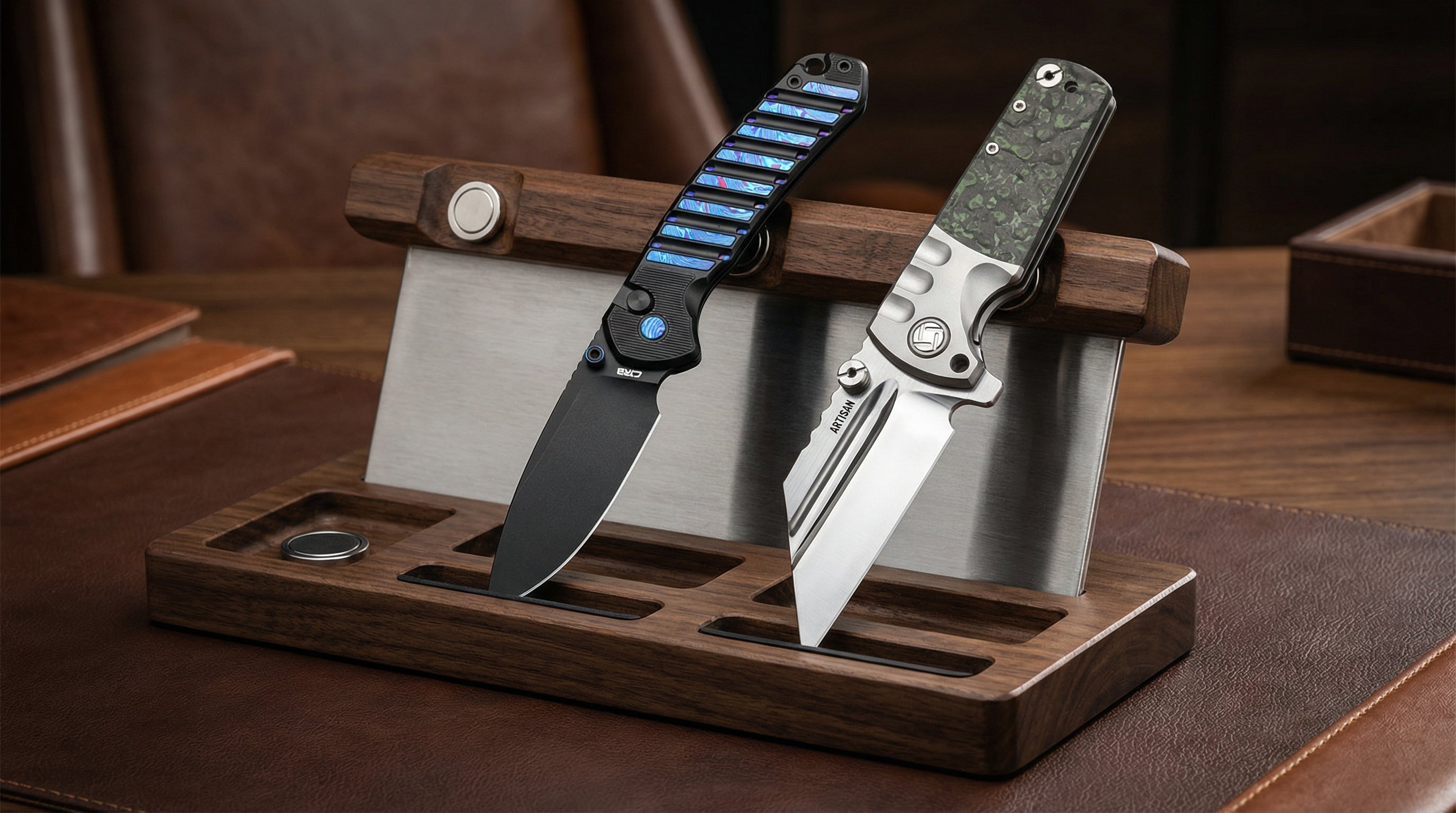
Let's break down what AR-RPM9 actually is. It is an exclusive, proprietary stainless steel designed by Artisan Cutlery and their budget-friendly subsidiary, CJRB. It was created specifically to deliver advanced, particle-metallurgy-style performance squarely within the budget segment.
The magic lies in how it's made. Instead of traditional ingot pouring—which can lead to uneven, clumpy carbide distribution—AR-RPM9 uses a proprietary spray-form process. The molten metal is atomized and rapidly cooled, locking the alloys into an exceptionally fine, uniform grain structure. It features around 0.9% carbon for hardness and a hefty 18% chromium for rust resistance.
The stated goals were clear: provide drastically better corrosion resistance than D2, deliver a finer grain structure for a smoother slicing edge than basic alloys, and keep it easy enough to sharpen at home. Because it is used extensively across CJRB's entire accessible lineup, we already have massive amounts of real-world feedback from U.S. users confirming it hits these marks.
AR-RPM9 vs 8Cr13MoV
When you put these two side by side, the generational leap in technology becomes obvious.
Edge retention: AR-RPM9 is clearly a massive step up in real-world cutting tasks. While 8Cr struggles to finish a heavy garage cleanout without a touch-up, AR-RPM9's higher carbon content and finer grain structure allow it to power through cardboard, rope, and plastics for weeks of normal use.
Corrosion resistance: Both technically qualify as stainless, but AR-RPM9's 18% chromium content means it is tuned for much tougher EDC use and more demanding wet environments. It brushes off sweat and fruit acids easily.
Sharpening: Surprisingly, the spray-form process keeps AR-RPM9 very beginner-friendly. I can confidently say that anyone used to maintaining an 8Cr blade will not struggle at all when moving to AR-RPM9.
Verdict: AR-RPM9 acts as the most natural upgrade path for people who are finally outgrowing basic, entry-level materials but still want an affordable daily tool.
AR-RPM9 vs 14C28N
This is perhaps the most interesting comparison, as both alloys are aiming for that "perfect balance" sweet spot.
Both steels offer a highly balanced nature: reliable edge life, true stainless behavior, and a very user-friendly sharpening experience. They both take aggressively sharp, polished edges due to their fine microstructures.
Keep in mind that 14C28N has a long, established track record with dozens of brands worldwide. AR-RPM9, on the other hand, is CJRB's specific answer, tailored intimately to their exact heat treatment protocols and specific blade geometries. By owning the steel formula, CJRB can perfectly dial in the tempering process for their exact knife designs.
I position AR-RPM9 as a fantastic alternative for users who already know they love 14C28N-type performance, but want a slightly different feel on the sharpening stones and appreciate the specific tuning that comes from a brand controlling their material from the factory floor to your pocket.
AR-RPM9 vs D2
This is the clash of the budget titans. The choice here defines exactly what kind of user you are.
- True stainless; won't rust from pocket sweat
- Much easier to sharpen and strop
- Finer edge for clean slicing
- Higher absolute wear resistance
- Cuts longer through abrasive materials
- Aggressive, "toothy" working edge
Edge retention: If we look strictly at paper data, a well-heat-treated D2 can still win in pure wear resistance due to its massive carbide volume. However, AR-RPM9 offers more than enough edge life for 95% of normal EDC users, significantly closing the gap that used to exist between budget stainless and tool steels.
Corrosion resistance: AR-RPM9 is clearly ahead here. As a true stainless option, it is infinitely better for sweaty pockets, humid coastal climates, or use around food where D2 would quickly stain or rust.
Sharpening: AR-RPM9 is vastly more forgiving. Trying to reprofile a chipped edge on a high-hardness D2 blade without diamond stones is an exercise in pure frustration. AR-RPM9 touches up beautifully on standard ceramics.
Real-world takeaway: For users who don't want to baby their knives with constant oiling and maintenance, AR-RPM9 proves to be the much more practical choice day-to-day.
Recommendations by User Type and Use Case
Choosing the right material isn't about finding the "best" steel in a vacuum; it is about finding the right tool for your specific lifestyle. Here is how I break it down.
Light Office and Everyday Package Opening
If your knife primarily sees action opening mail, snipping loose threads, and occasionally breaking down a lightweight Amazon box, you don't need to overthink it.
I recommend 8Cr13MoV if you are on the absolute tightest budget and handle very light tasks. However, if you open a lot of boxes and just want fewer sharpenings throughout the year, stepping up to 14C28N or AR-RPM9 will save you time and provide a much smoother cutting experience.
Hard-Use Work EDC (Construction, Warehouse, Trades)
This environment is where blade materials earn their keep. Abrasive materials like drywall, heavy strapping, and dirty zip-ties destroy weak edges.
I highly suggest D2 for users who are comfortable with basic knife maintenance (wiping it down, occasional oiling) and want maximum wear resistance for endless cardboard breaking. However, I strongly recommend AR-RPM9 for tradesmen working in wet, dirty, or sweaty environments who still need great performance but highly value stainless behavior and easy touch-ups on the job site.
Outdoors, Camping and Mixed Use
When you head into the woods, conditions become unpredictable. While all four steels can technically work for carving hotdog sticks or cutting paracord, stainless options are vastly safer for dealing with weather and inevitable neglect.
I highlight AR-RPM9 as a superb "do-it-all" budget choice for hikers, campers, and casual outdoorsmen. It handles food prep without rusting, tackles woodcraft decently thanks to its toughness, and can be easily sharpened on a small pocket stone by the campfire.

Where CJRB Comes In – Concrete Examples
Theory is great, but let's look at actual knives you can buy right now. CJRB has strategically positioned their lineup to take advantage of these specific steel properties.
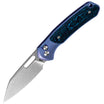
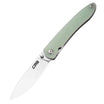
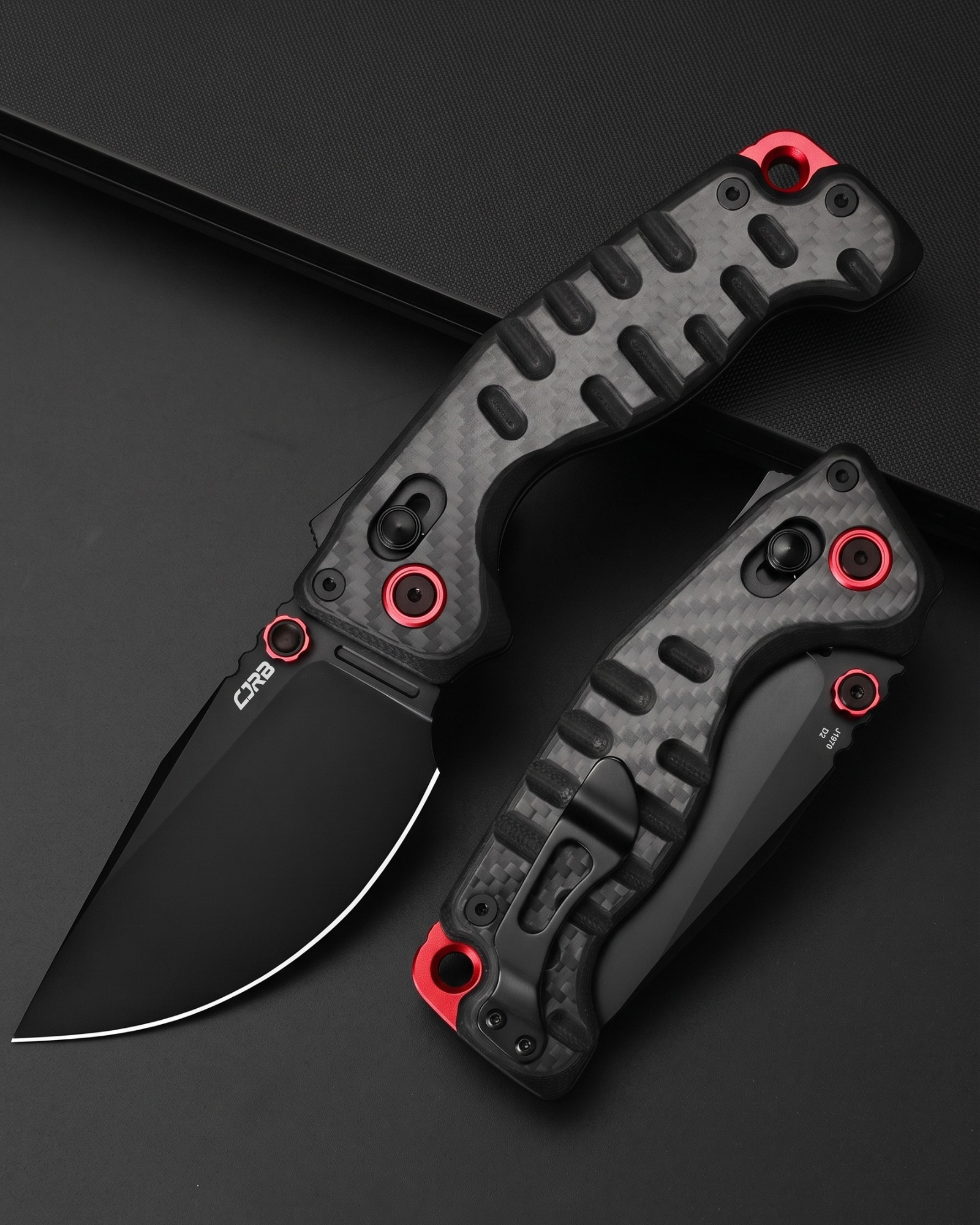
If you fall into the "I need low maintenance and great balance" category, you need to look at the AR-RPM9 collection. A perfect example is the wildly popular CJRB Pyrite. It utilizes the spray-form AR-RPM9 to deliver an incredible everyday office and light-outdoor knife that won't rust in your pocket and maintains a razor edge for weeks.
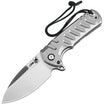
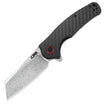
If you are in the "I cut heavy materials all day" camp, check out the D2 collection. The CJRB Feldspar in D2 is a classic workhorse. Its robust blade geometry paired with the high-wear D2 means it will tear through warehouse tasks relentlessly.
For users wanting to eventually step up even further from AR-RPM9 while staying within the CJRB ecosystem, they recently introduced AR-SFII, a next-level material that we cover entirely in a separate article.
To wrap up, making your choice in 2026 is actually quite simple once you know your own habits. Here is a quick decision matrix:
- "I want the cheapest option and only do light tasks" → Choose 8Cr13MoV.
- "I want excellent balance, true stainlessness, and easy use" → Choose 14C28N or AR-RPM9.
- "I want max wear resistance for hard work and don't mind oiling my blade" → Choose D2.
FAQ: Everything You Need to Know About 14C28N
1. Why is 14C28N considered a "budget-plus" steel instead of just a basic budget steel?
Because of its advanced chemistry. The addition of nitrogen allows the manufacturer to push the hardness higher (often 59-60 HRC) without losing corrosion resistance. This requires tighter manufacturing tolerances from Alleima (Sandvik), which slightly increases the cost over basic Chinese ingot steels like 8Cr13MoV, but the performance jump is massive.
2. Can 14C28N rust?
Technically, any steel can rust under extreme conditions, but 14C28N is highly resistant. Unless you leave it submerged in saltwater for days or store it covered in acidic fruit juice, it will easily shrug off daily pocket sweat, humidity, and rain. It is considered a true stainless steel.
3. How hard is it to sharpen 14C28N at home?
It is extremely user-friendly. Thanks to its very fine carbide structure, it doesn't fight the sharpening stone like heavy tool steels do. You can easily maintain a shaving-sharp edge using standard ceramic rods, aluminum oxide stones, or a simple leather strop.
4. Is 14C28N tough enough for hard outdoor use?
Yes. In fact, toughness (resistance to chipping and breaking) is one of its greatest strengths. Metallurgical testing shows it has significantly higher toughness than many premium, expensive alloys. If you accidentally twist the blade in a piece of hard wood, it is more likely to gently roll rather than snap or chip.
5. How does 14C28N compare to AR-RPM9?
They operate in very similar performance brackets. Both offer excellent corrosion resistance, high toughness, and easy sharpening. AR-RPM9 utilizes a spray-form process and higher carbon/chromium content to achieve its performance, while 14C28N relies on nitrogen-alloying. You will be highly satisfied with either for daily carry.


Leave a comment
All comments are moderated before being published.
This site is protected by hCaptcha and the hCaptcha Privacy Policy and Terms of Service apply.