

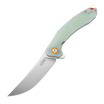
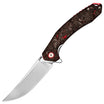
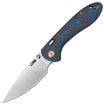
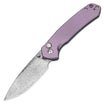

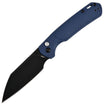
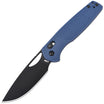
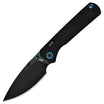
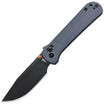
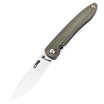
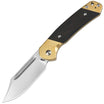
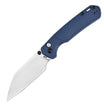
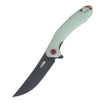
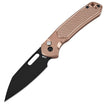
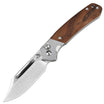
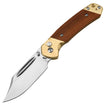
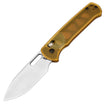
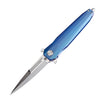
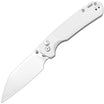
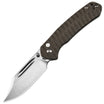
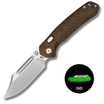
I still remember unboxing my first high-end pocket knife years ago. The weight, the action, and the scary-sharp edge felt entirely different from the cheap gas station folders I carried as a teenager. But what exactly separates a truly premium cutting tool from a basic one? I get asked this question almost daily.
Usually, the conversation turns into a hyper-technical debate. The most common argument I hear right now is the classic s45vn vs s30v matchup. People want to know if the newer formulation is actually worth the upgrade. Honestly, the answer depends entirely on how you use your gear.
Today, I want to share my honest findings from years of carrying, testing, and sometimes ruining high-end knives. We will look at top-tier blade steels, the science behind them, and the handle materials that make or break the user experience. Grab a cup of coffee. We have a lot of ground to cover.

The Heavyweight Clash: s45vn vs s30v Analyzed
If you hang around everyday carry circles, you cannot escape the s45vn vs s30v discussion. These two particle metallurgy steels are the benchmarks for modern pocket knives. But understanding their differences requires looking at their chemical recipes.
S30V was created decades ago specifically for the cutlery industry. It was a massive leap forward at the time. I carried an S30V blade for three years straight. It held an edge forever, but I absolutely hated sharpening it. It had a nasty habit of micro-chipping if I hit a hidden staple in a cardboard box.
Why the Industry Moved to S45VN
Crucible Industries eventually realized they needed a better balance. They introduced S45VN by tweaking the chromium content and adding a touch of niobium. Niobium is the secret sauce here. It creates extremely fine carbides in the steel matrix.
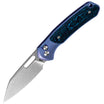
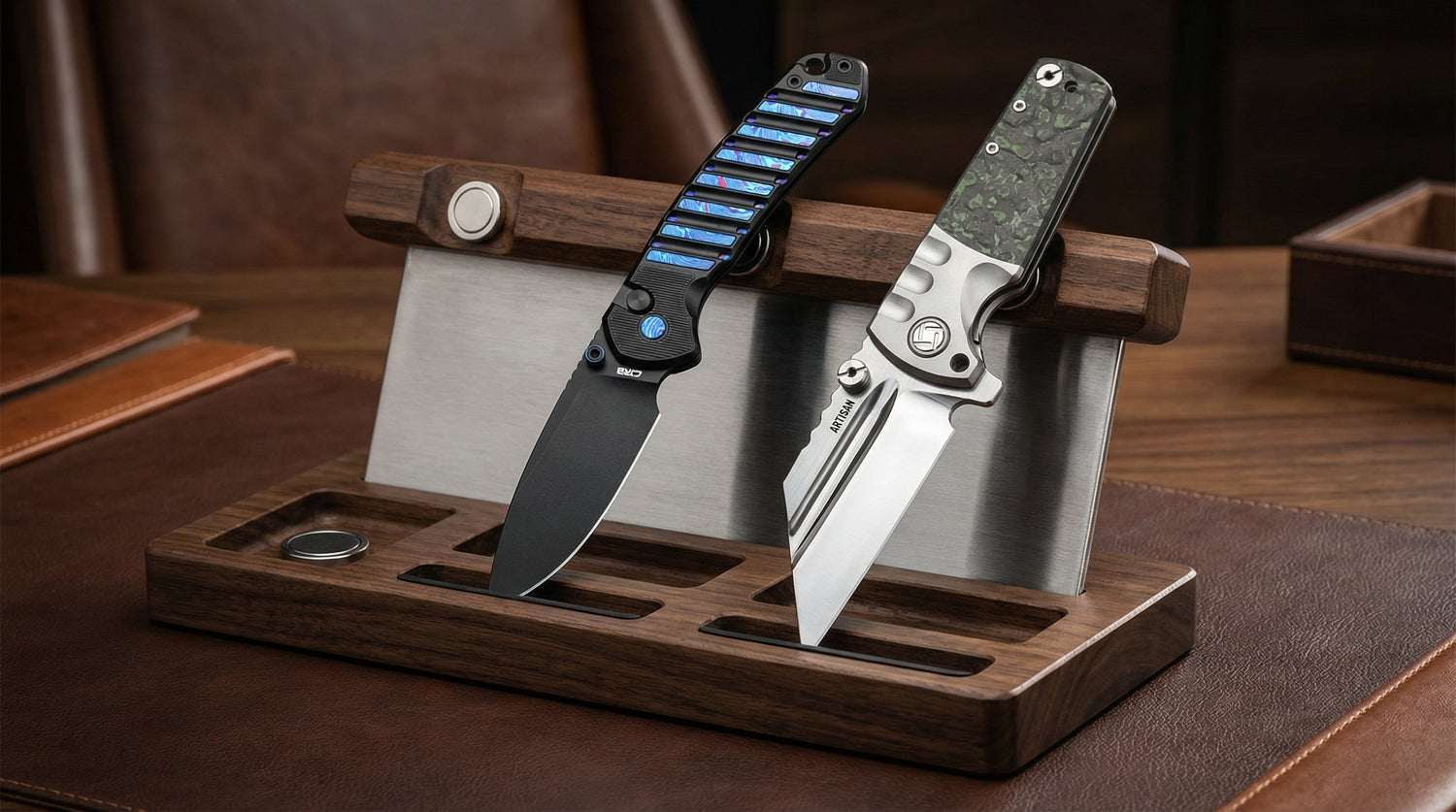
In my actual field testing, S45VN is noticeably tougher. It rolls rather than chips when it hits hard materials. Plus, it is much friendlier on my ceramic sharpening stones. If you want to experience this steel properly, look at the Artisan Cutlery Orthodox V2. It pairs a hollow ground S45VN blade with a stunning bovine bone handle.
The Elite Stainless Steels: Maximum Performance
While the S45VN debate rages on, there is an upper echelon of blade materials that offer extreme edge retention. These are the super steels. They are expensive, difficult to machine, and totally worth it if you hate sharpening your knife.
We are talking about the holy trinity of wear resistance. According to independent testing by Knife Steel Nerds, these formulations dominate the charts for retaining a working edge over thousands of cuts.
The Magic of M390
Produced by Bohler, M390 is widely considered the king of everyday carry steels. It boasts an incredibly high volume of vanadium carbides. What does that mean for you? It means you can break down heavy double-walled cardboard for hours without losing that shaving-sharp edge.
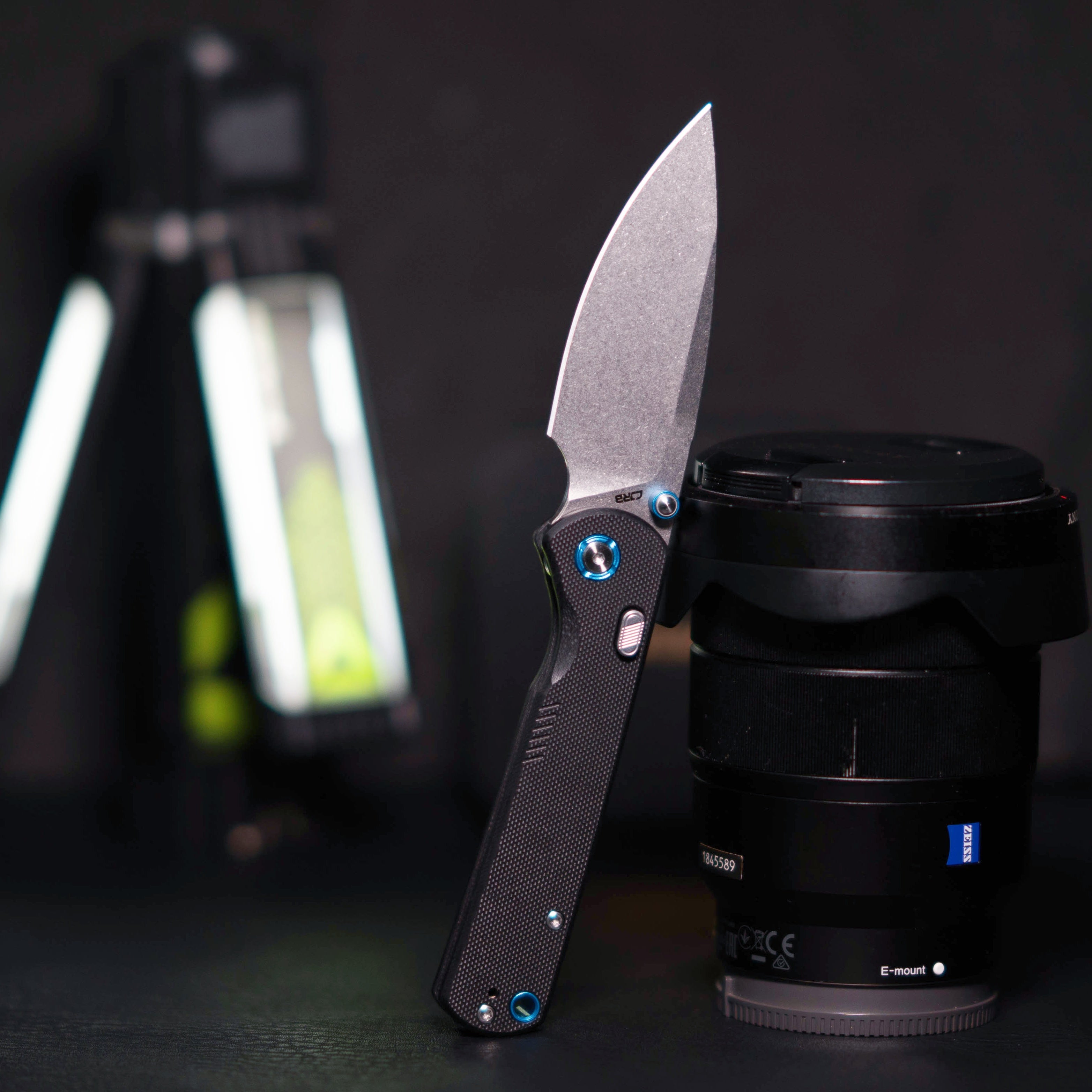
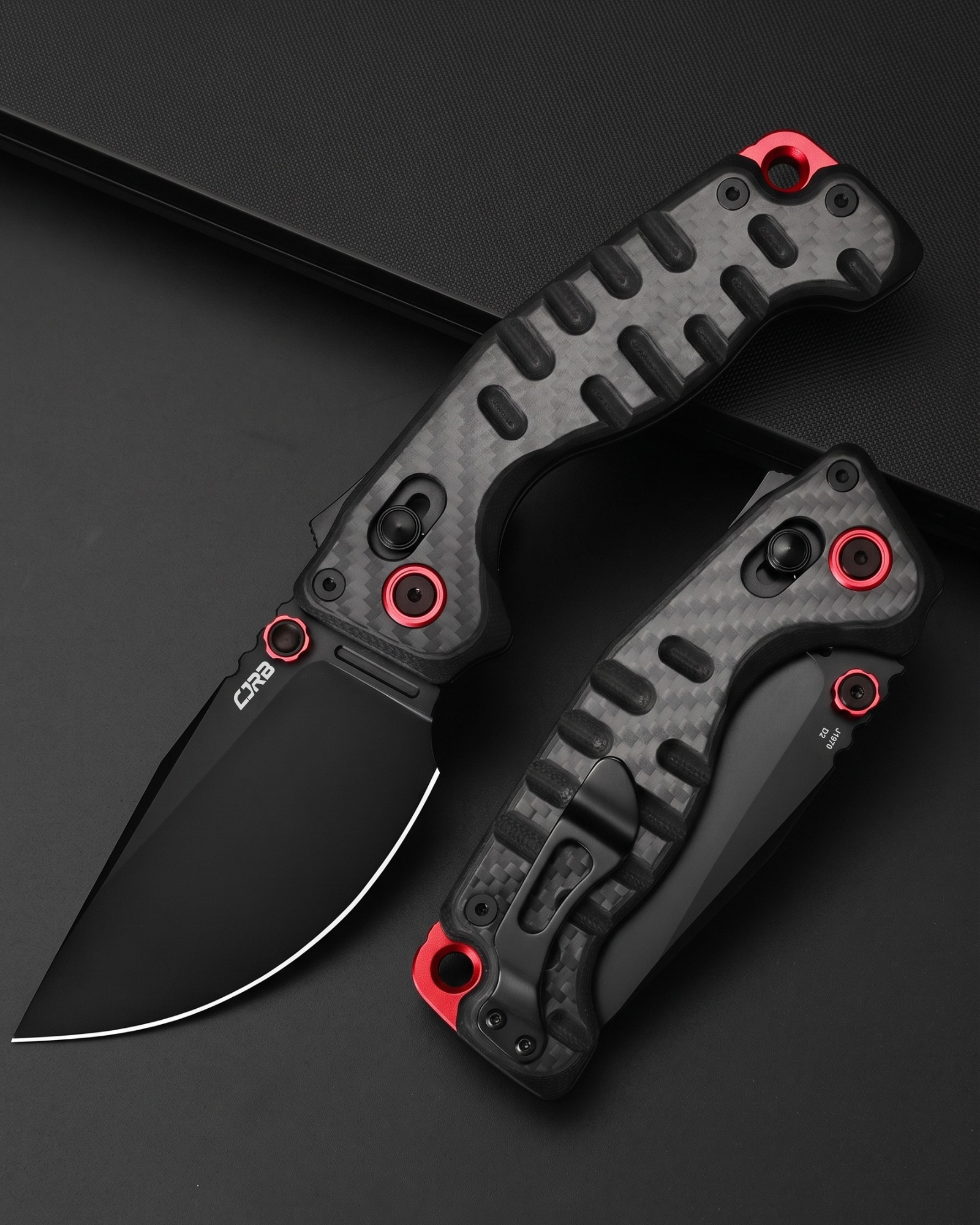
I have processed literally miles of abrasive rope with my M390 blades. The corrosion resistance is also stellar. You can check out the CJRB M390 Steel Collection if you want to see how this premium material is implemented in reliable, hard-use folders.
The American Equivalent: CPM 20CV
If you prefer an American-made equivalent to M390, CPM 20CV is your answer. Chemically, they are nearly identical twins. Crucible manufactures CPM 20CV using their proprietary sintered particle process, resulting in an exceptionally clean grain structure.
I find that CPM 20CV takes a slightly more aggressive "toothy" edge compared to M390, making it fantastic for slicing synthetic fibers. The CJRB CPM 20CV Steel Collection showcases exactly why this material remains a top choice for serious collectors and users alike.
The Balanced Perfection of S35VN
Sometimes you do not need extreme edge retention. Sometimes you need a blade that bends slightly instead of breaking. That is where S35VN shines. Developed with input from legendary maker Chris Reeve, it remains one of the most perfectly balanced steels ever created.
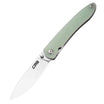
It sharpens easily, resists rust well, and handles lateral stress better than almost any other high-alloy stainless. I constantly recommend the CJRB CPM S35VN Steel Collection to friends who want a high-end blade that will not punish them when it comes time for maintenance.

Mid-Range Workhorses and Modern Innovations
Not every knife needs to cost a fortune to perform beautifully. There is a massive market for mid-range steels that deliver 80% of the performance of super steels at a fraction of the cost. I actually carry these more often than my expensive safe queens.
These steels are the blue-collar heroes of the knife world. They take a beating, sharpen up quickly, and do not make you cry if you accidentally drop them on concrete.
The Enduring Legacy of 154CM
Long before the modern super steel craze, 154CM was the undisputed king. Originally developed for jet engine turbine components, it found its way into custom knives in the 1970s. Finding a well-made 154cm steel knife is like finding a reliable old truck. It just works.
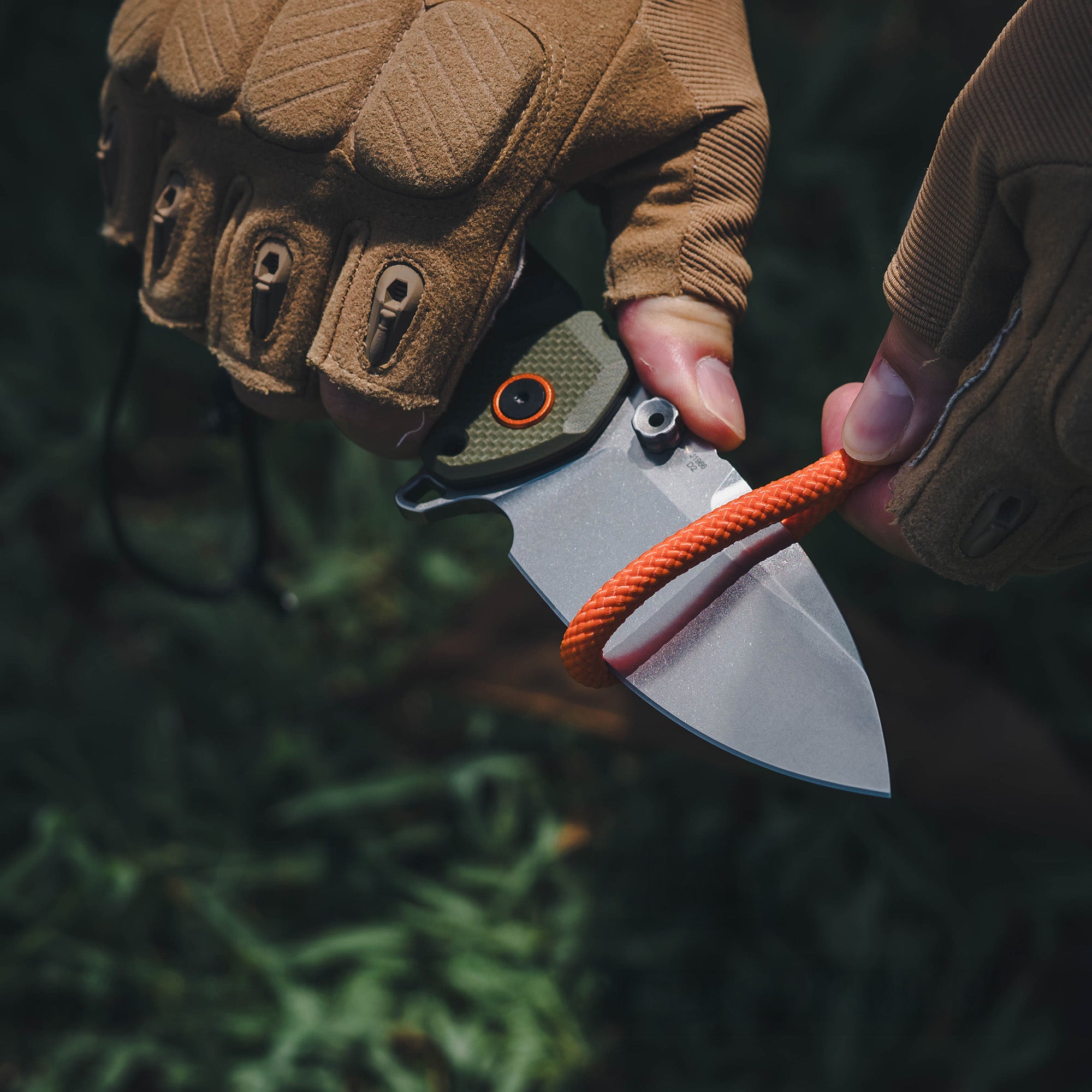
It lacks the fine sintered grain structure of modern alloys, but a good heat treatment makes it highly capable. I still trust 154CM for heavy outdoor tasks because it is remarkably easy to touch up on a basic diamond stone in the field.
Next-Generation Formulations: AR-SFII
Metallurgy never stops advancing. Recently, we have seen the rise of rapidly solidified spray-form techniques. This process creates a very fine grain structure without the massive costs associated with traditional particle metallurgy.
The CJRB AR-SFII Steel Collection is a perfect example. It maintains exceptional toughness while offering significantly improved edge retention over budget steels. Honestly, in a blind cut test, most users cannot tell the difference between this and steels that cost twice as much.
Heavy Metals: The Foundation of Premium Handles
A blade is only as good as the handle attached to it. If the ergonomics are terrible, you will never carry the knife. In the premium market, metal handles dominate the landscape because of their durability and premium feel.
Metal handles offer rigidity that plastic simply cannot match. When you grip a high-end metal folder tightly, there is absolutely zero flex. This inspires a lot of confidence during heavy cutting tasks.
The Undeniable Appeal of Titanium
Aircraft-grade Titanium is the gold standard for high-end pocket knives. It is exceptionally strong, completely immune to rust, and surprisingly lightweight. I love how it warms up in the hand compared to steel or aluminum.
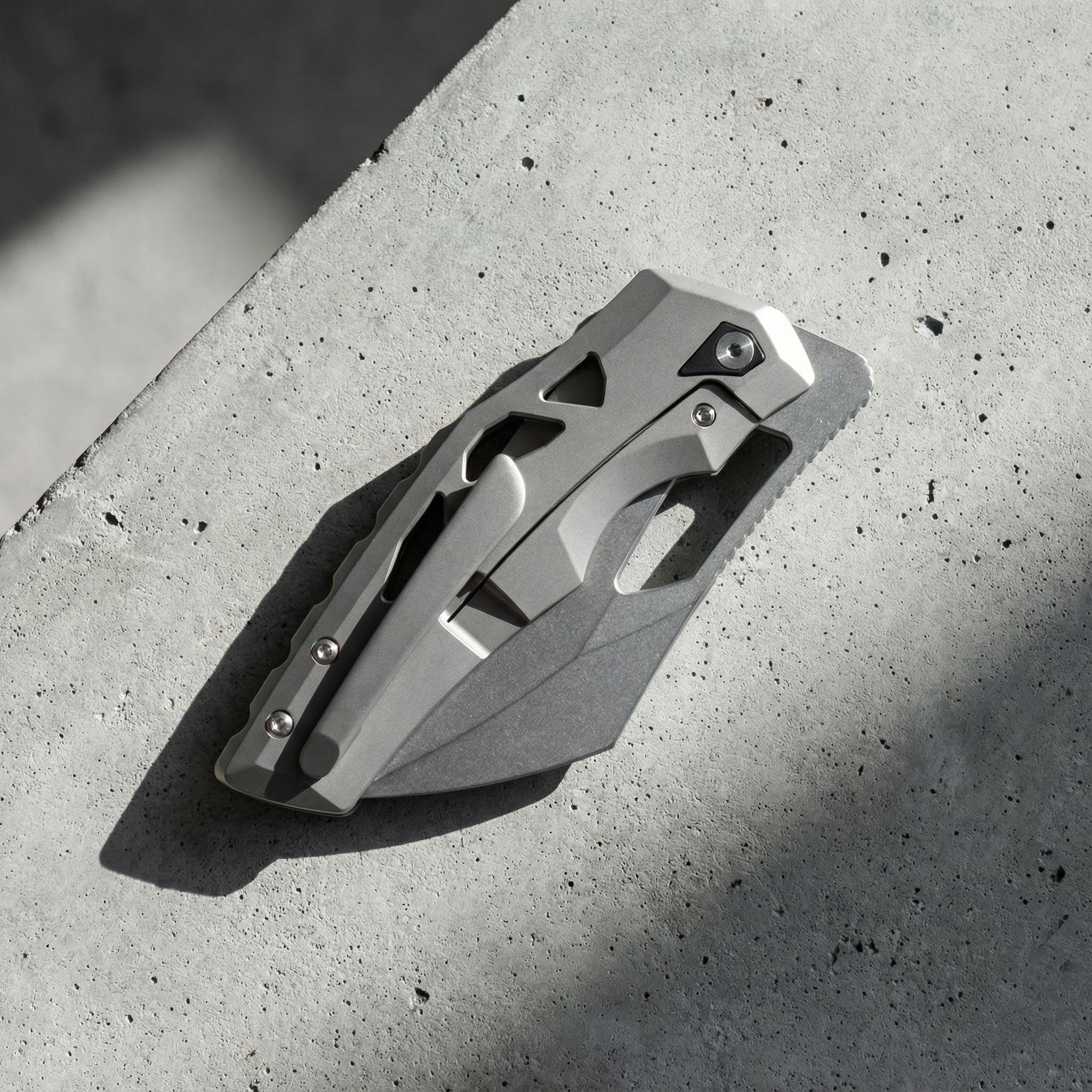
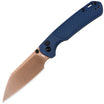
You can also anodize titanium using electricity, creating brilliant blues, purples, and bronzes. The CJRB Titanium Handle Collection perfectly demonstrates how this material can be machined into sleek, contemporary designs.
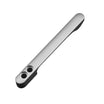
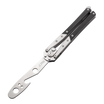
Speaking of everyday carry gear, if you carry a premium knife, I highly recommend pairing it with a small ti bar on your keychain. Using a titanium pry bar for scraping and prying saves your expensive knife tip from snapping off. Trust me, I learned that lesson the hard way.
- Extremely lightweight
- Will never rust
- Can be color anodized
- Expensive raw material
- Prone to visible snail trails
- Can feel slippery if not milled
The Weight and Warmth of Brass
On the opposite end of the spectrum, we have Brass. It is heavy, dense, and smells like old coins. Why would anyone want a heavy brass knife? It comes down to character and patina.
Brass interacts with the oils in your skin and the moisture in the air. Over weeks and months, it develops a dull, darkened patina that is completely unique to you. The CJRB Brass Handle Collection offers that classic, weighty feel that makes a tool feel substantial and grounded in history.

Synthetics and Composites: Superior Grip
Metals are great, but they get freezing cold in the winter and slippery when covered in oil or sweat. That is where synthetic composite materials come into play. They prioritize grip, weather resistance, and tactical functionality.
Composites are made by layering a base material with a hardened resin. The result is a handle scale that is incredibly tough, electrically non-conductive, and highly textured.
The Cult Favorite: G10 Jade
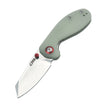
G10 is basically fiberglass soaked in epoxy resin and baked under high pressure. It is practically indestructible. Recently, the translucent look of g10 jade has become massively popular in the everyday carry community.
Jade G10 is the natural, unpigmented state of the material. It has a ghostly, slightly green glow. The best part? You can easily dye it at home using boiling water and synthetic fabric dye to create custom colors. I have dyed several jade scales dark crimson, and they look fantastic.
The Tactile Joy of Micarta
If G10 is the tactical choice, Micarta is the soulful choice. Instead of fiberglass, Micarta uses layers of linen, canvas, or paper. This gives the material a warm, fabric-like texture that actually becomes grippier when wet.
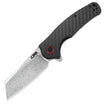
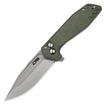
The texture of Micarta is hard to beat. Like brass, it absorbs oils from your hands and darkens over time, creating a beautiful worn-in look. Exploring the CJRB Micarta Handle Collection is a must if you want a handle that feels less like a machine and more like a traditional tool.
The Invisible Factor: Heat Treatment
We cannot talk about premium materials without discussing the most critical step in knife making. You can have the best steel alloy on the planet, but if the heat treatment is botched, the knife is garbage.
Heat treating involves heating the steel to critical temperatures and rapidly cooling it to lock the molecular structure into place. According to Wikipedia's metallurgy database, this process dictates the final hardness, usually measured on the Rockwell C scale (HRC).
Why Chemistry Isn't Everything
I have tested cheap budget steel that was heat-treated perfectly, and it outperformed expensive M390 that was treated poorly. A soft heat treat means the blade rolls instantly. A brittle heat treat means the blade snaps in half.
When you buy from reputable brands, you are paying for their precise, computer-controlled heat treatment protocols. They squeeze every ounce of performance out of the steel's chemical composition.
Maintenance: Sharpening Premium Steels
Buying a premium knife is only step one. Eventually, it will get dull. I see so many people ruin their expensive blades by dragging them through cheap carbide pull-through sharpeners. Please, do not do that.
High-vanadium alloys require proper abrasives. Traditional natural stones will just glaze over and do nothing. You need diamond plates or high-quality ceramic stones to cut those hard carbides.
My Upkeep Routine
I maintain my edges on a leather strop loaded with diamond compound. A few passes every week keeps the edge razor-sharp for months without needing a full sharpening session. It takes less than two minutes.
If you let a super steel get completely dull, be prepared to spend some time fixing it. As I mentioned earlier, this is where the s45vn vs s30v debate usually ends. S45VN is noticeably more pleasant to reprofile on the stones when you finally have to sit down and do the work.
Making Your Final Decision
Choosing the right combination of blade steel and handle material can feel overwhelming. There are so many options, and marketing departments love to throw confusing acronyms at you. But it really boils down to your daily routine.
If you work in a humid environment or sweat a lot, prioritize stainless steels like S35VN or 20CV, and pair them with G10 or Titanium handles. If you open a few Amazon boxes a week and appreciate aesthetics, Brass and 154CM will serve you beautifully for a lifetime.
Assess Your True Needs
Be honest with yourself about how you use your tools. Do not buy a ridiculously hard, brittle steel if you use your knife as a screwdriver (which you shouldn't do anyway). Buy the tool that fits the job.
Ultimately, the best premium knife is the one you actually want to put in your pocket every morning. Quality materials just ensure that when you do reach for it, it performs exactly as you expect it to.
Frequently Asked Questions
1. Does the s45vn vs s30v comparison really matter for casual use?
For breaking down a few cardboard boxes, you will likely never notice the difference. However, if you accidentally hit a staple or drop the knife, S45VN is less likely to suffer deep micro-chipping, saving you a headache during sharpening.
2. Is S45VN completely rust-proof?
No steel is completely rust-proof except for a few specialized diving alloys. S45VN is highly stain-resistant, but if you leave it covered in saltwater or fruit acid, it will eventually spot.
3. Why are so many makers phasing out S30V?
S30V is notoriously hard on grinding belts at the factory level. S45VN offers better performance for the end-user and is slightly easier for manufacturers to machine and finish, making it a win-win.
4. Can a beginner sharpen these premium steels?
Yes, but you need the right tools. Skip the old whetstones in your garage. Invest in a guided diamond sharpening system. It removes the guesswork and cuts through hard carbides easily.
5. Will S30V become obsolete?
Not anytime soon. It is still an incredibly capable steel with a massive track record. Many brands will continue using it because the raw material cost has dropped as newer steels hit the market.


Leave a comment
All comments are moderated before being published.
This site is protected by hCaptcha and the hCaptcha Privacy Policy and Terms of Service apply.