


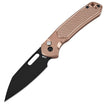
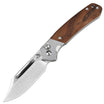
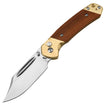
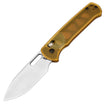


Yes, you can generally bring a knife or pocket knife in a checked bag, but knives are not allowed in carry-on luggage under TSA rules. Pack the knife in checked luggage, keep the blade sheathed or securely wrapped, and check airline and destination rules before international flights because local knife laws can be stricter than TSA screening rules.
| Question | Short answer |
|---|---|
| Can you bring a knife in a checked bag? | Usually yes, if it is packed safely in checked luggage. |
| Can you bring a pocket knife in a checked bag? | Usually yes. Keep it sheathed, wrapped, or secured. |
| Can you bring a knife in carry-on luggage? | No. Knives are generally prohibited in carry-on bags. |
| Can you bring a knife on an international flight? | Rules vary. Check your airline and destination-country laws. |
| Do you have to declare knives in checked luggage? | Usually not for standard pocket knives, but special items may require airline guidance. |
For the Every Day Carry (EDC) enthusiast, a knife is not merely a tool; it is an extension of one's capability to interact with the world. Whether it is for slicing an apple in a hotel room, opening stubborn packaging, or handling emergency situations, the utility of a pocket knife is undeniable. However, the modern travel landscape, particularly air travel, presents a complex matrix of regulations, security protocols, and legal pitfalls that can turn a routine trip into a legal nightmare or result in the confiscation of a beloved tool.
The question of how to transport a pocket knife in checked bag luggage is one of the most frequently asked questions in the EDC community. While the Transportation Security Administration (TSA) in the United States has clear guidelines, the application of these rules, combined with the varying state laws at your destination, creates a multi-layered challenge. This comprehensive guide aims to deconstruct these regulations with scientific precision, offering data-driven advice and practical steps to ensure your cutlery arrives safely at your destination.

The Core Regulation: TSA Guidelines for Checked Bags
To understand the logistics of traveling with bladed tools, we must first look at the federal regulations enforced by the TSA. The dichotomy between carry-on and checked baggage is sharp and non-negotiable. According to current TSA regulations, knives are strictly prohibited in carry-on bags. This rule is absolute and applies to everything from large hunting knives to tiny penknives on a keychain.
Carry-On vs. Checked Baggage: The Critical Distinction
The primary reason for the ban on knives in the cabin is security. Following the events of September 11, 2001, the restriction on sharp objects became a cornerstone of aviation safety. However, the TSA explicitly allows for the transport of knives in checked baggage. The key lies in how they are packed. The agency's primary concern with checked baggage is not necessarily intent to harm, but the safety of the Transportation Security Officers (TSOs) and baggage handlers who must physically inspect or move the luggage.
Below is a comparative breakdown of where specific items must go:
| Item Category | Carry-On Bag | Checked Bag | Restriction Note |
|---|---|---|---|
| Pocket Knives (Any Length) | ❌ Prohibited | ✅ Allowed | Must be securely sheathed. |
| Multi-tools with Blades | ❌ Prohibited | ✅ Allowed | Includes Leatherman/Swiss Army styles. |
| Round-bladed Butter Knives | ✅ Allowed | ✅ Allowed | Must have no sharp points or serrations. |
| Tactical Pens | ⚠️ Subjective | ✅ Allowed | Often confiscated if deemed a weapon. |
Sheathing and Wrapping Requirements
The requirement that a knife be "securely sheathed or wrapped" is to prevent the blade from cutting through the luggage fabric or injuring a baggage inspector. A loose knife in a suitcase is a hazard. If a TSO opens your bag for a random screening and cuts their hand on your knife, not only is it a safety incident, but your property is also likely to be confiscated or discarded as a hazardous item.
Scientifically speaking, the goal is to neutralize the cutting edge's potential energy. This is achieved by increasing the barrier resistance around the blade. For folding knives, the detent mechanism (the resistance that keeps the blade closed) is usually sufficient, but for fixed blades, a rigid sheath is mandatory. We will discuss specific packing protocols in a later section.
Data Analysis: Confiscation Statistics
Despite clear rules, thousands of knives are confiscated annually. Data from TSA press releases indicates that sharp objects remain the top category of prohibited items found at checkpoints. In 2023 alone, the TSA intercepted over 6,000 firearms, and while knife statistics are often grouped under "prohibited items," anecdotal evidence from major airports suggests that pound-for-pound, knives are the most frequently surrendered item. Most of these surrenders occur not out of malice, but forgetfulness—travelers leaving a pocket knife in checked bag intended item in their carry-on by mistake.
Step-by-Step Guide: How to Pack a Pocket Knife
Successfully traveling with your EDC requires a systematic approach to packing. This is not the time to simply toss your knife into your toiletry bag. You need a protocol that ensures security, safety, and compliance.
Choosing the Right Luggage
The first line of defense for your tools is the suitcase itself. Soft-sided luggage, while popular for its weight, offers less protection against impact and puncture. If you are transporting high-value knives, hard-shell luggage made from polycarbonate or aluminum is superior. These materials offer higher tensile strength and impact resistance, ensuring that external forces do not damage the knife mechanism or cause a fixed blade to pierce its sheath.
The Wrapping Protocol: A Visual Guide

Follow this rigorous procedure to pack your knife safely:
- 1Secure the Blade: For folding knives, ensure the blade is fully closed. If the knife has a lock (like a frame lock or liner lock), verify it is disengaged and the detent is holding the blade shut. For fixed blades, insert firmly into the sheath.
- 2Secondary Layer (The Buffer): Wrap the sheathed knife or folded knife in a soft, thick material. A pair of wool socks or a small microfiber travel towel works excellently. This provides shock absorption.
- 3Structural Protection: Place the wrapped bundle inside a shoe or a hard-shell electronics case. This prevents the knife from migrating to the edge of the suitcase where it could be crushed or fall out if the zipper fails.
- 4Centralize: Position the shoe or case in the geometric center of your checked bag, surrounded by clothes. This "nesting" technique provides the maximum amount of padding from all angles.
Dealing with TSA Locks and Inspections
Always use a TSA-approved lock on your checked luggage. If the TSA needs to inspect your bag (which they often do if X-ray scanners detect dense metal objects like knives), a non-TSA lock will be cut off, leaving your bag unsecured for the remainder of the journey. Inside the bag, it is often helpful to place a small note near your knives that says, "Camping/Tool Equipment - Safe to Handle." This small courtesy can put an inspecting officer at ease, reducing the likelihood of careless repacking.
Choosing the Best Travel Companion: Size Classifications
Not all knives are created equal when it comes to travel. The legal landscape at your destination often dictates what you should carry. It is prudent to own a variety of sizes to adapt to different jurisdictions. Here is how to categorize your travel options based on CJRB's specialized lineups.
The Ultra-Portable Option
When traveling to cities with strict blade length limits (often 3 inches or less, such as restricted areas in Chicago or Boston), compact knives are essential. You need a tool that offers full utility without the legal liability.
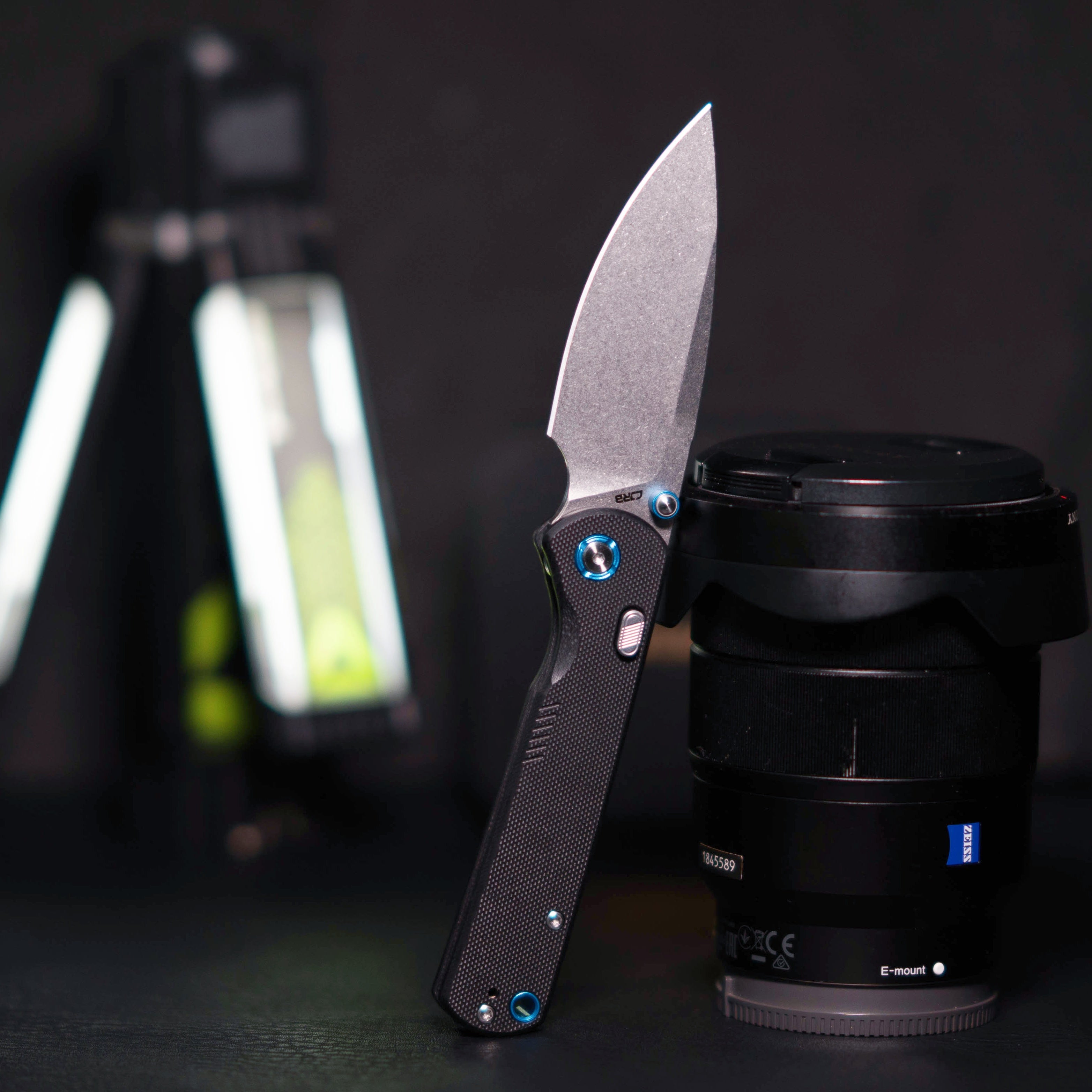
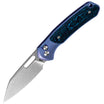
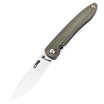
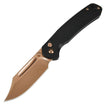
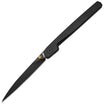
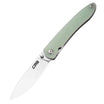
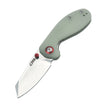
Discover CJRB compact folding knives under 3 inches—perfect for urban carry, travel-friendly EDC setups, and precision daily tasks. Designed for comfort, discreet pocket carry, and reliable performance. For the traveler concerned with strict compliance, the Compact EDC – Under 3" collection offers the safest bet legally while maintaining high-end cutting performance.
The Balanced Daily Driver
For most US states where knife laws are more permissive (like Texas, Florida, or Arizona), a standard-sized knife offers better ergonomics for extended use. This size range is the "Goldilocks" zone for general utility.
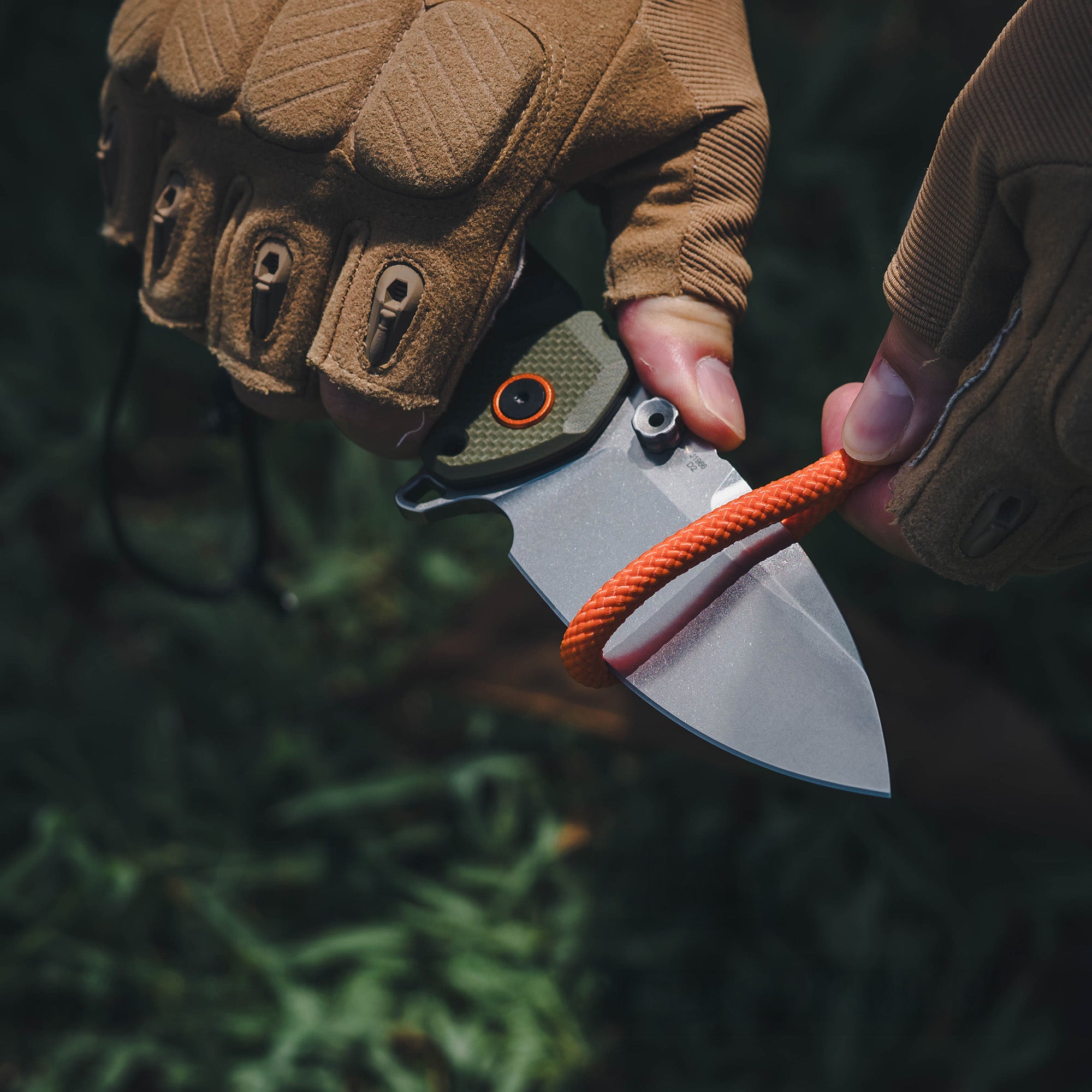
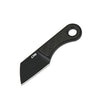
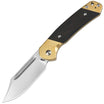
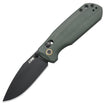
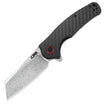
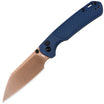
Explore CJRB’s most popular EDC knives in the 3"–3.25" range—balanced, versatile, and ideal for everyday cutting tasks. A perfect blend of ergonomics, durability, and pocket-friendly size for daily use. If your destination allows it, packing a Standard EDC – 3" to 3.25" ensures you are prepared for everything from food prep to cutting cordage.
Capability Meets Portability
Some trips require more robust tools. If you are heading to a ranch, a construction site, or a renovation project, a larger handle and longer cutting edge provide the necessary leverage.
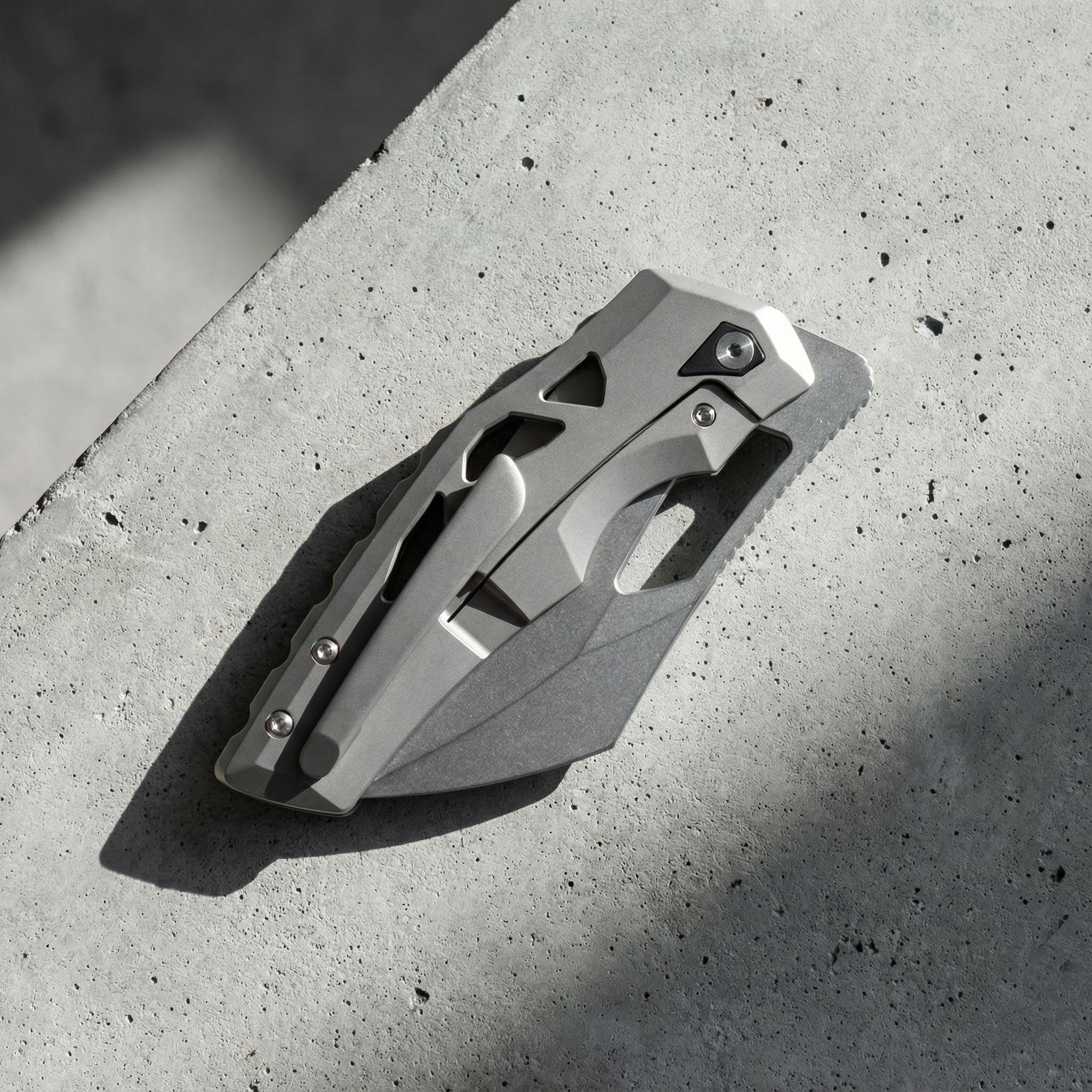
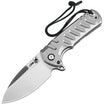
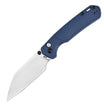
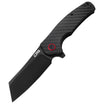
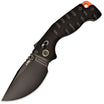
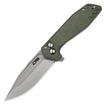
Browse CJRB full-size folding knives ranging from 3.25" to 3.5". Built for tough tasks with enhanced control, strength, and ergonomic grip—ideal for users who need a larger, more capable EDC tool. The Full Size EDC – 3.25" to 3.5" selection is perfect for travelers who prioritize function and grip strength over concealability.
Understanding US State Laws: A Patchwork of Regulations
While the TSA controls the skies, state laws control the ground. Once you retrieve your pocket knife in checked bag at baggage claim and step outside the airport, you are subject to the laws of that specific state. The United States does not have a unified knife law, leading to a complex patchwork of regulations that can catch travelers off guard.

Some states have "Knife Law Preemption," which means the state law overrides any local city or county ordinances. This is excellent for travelers, as you only need to know one set of rules for the whole state. Examples include Arizona, Georgia, and New Hampshire.
However, states without preemption allow individual cities to make their own rules. For instance, New York State law might allow a certain knife, but New York City has historically had extremely strict administrative codes regarding "gravity knives" or locking knives exposed in pockets. In these restrictive zones, even a clip showing on your pocket can lead to a citation.
Blade Length Limits: Why Size Matters
Blade length is the most common metric for restriction. A scientific approach to compliance involves measuring your blade from the tip to the forward-most aspect of the handle/guard. While 2.5 inches is generally safe almost everywhere (including federal facilities), 3 inches is a common cutoff for concealed carry in restrictive jurisdictions.
Below is a simplified risk assessment based on blade length:
| Blade Length | Legal Risk Level | Common Restrictions |
|---|---|---|
| Under 2.5" | Low | Generally legal everywhere (excluding courts/schools). |
| 2.5" - 3.0" | Moderate | Some cities restrict carry (e.g., DC, Boston). |
| 3.0" - 4.0" | Elevated | Illegal to conceal in many strict states without permit. |
| Over 4.0" | High | Often classified as a weapon rather than a tool. |
Automatic Knives and Gravity Knives across State Lines
The Federal Switchblade Act prohibits the introduction of switchblades into interstate commerce, but it generally does not prohibit individuals from traveling with them in their possession, provided they are legal in both the departure and arrival locations. However, packing an automatic knife when flying into a state like California (which restricts automatics over 2 inches) or New Jersey (which bans them entirely) is a recipe for legal trouble. Always verify the specific mechanism legality of your destination.
International Travel: Navigating Global Knife Laws
Taking your knife outside the US borders introduces an entirely new level of complexity. Many countries view carrying a knife not as a right or a utility, but as possessing an offensive weapon.
United Kingdom and Europe
The UK has some of the strictest knife laws in the world. Carrying a locking knife of any size is generally illegal without a "good reason" (and self-defense or general utility is not considered a good reason). Only non-locking folding knives with blades under 3 inches are typically permitted for EDC (Every Day Carry). Similarly, many European countries like Germany have specific laws banning "one-hand opening" locking knives. If you are traveling to Europe, research the specific country intensely.
Asia and the Middle East
In countries like Japan, carrying a knife without a justified purpose (like going fishing or hunting at that specific moment) is a violation of the Swords and Firearms Control Law. Even a small Swiss Army Knife can lead to questioning by police. In China, security checks are frequent at subway stations and train stations, where knives are often confiscated. It is best to leave high-value EDC items at home when traveling to these regions unless you have a specific, verifiable outdoor itinerary.
Canada and Mexico
Crossing borders into our neighboring countries requires caution. Canada Border Services Agency (CBSA) has strict prohibitions on "centrifugal knives" (which can include flippers that open too easily) and gravity knives. Many standard US EDC knives have been seized at the Canadian border. Mexico also restricts the carry of knives, viewing them as weapons unless you can prove they are for work or sport.
Specialty Knives and Outdoor Gear
For the adventurer, the knife is just one part of a larger kit. Whether you are going on a hunting expedition in the Rockies or camping in the Pacific Northwest, your gear needs will differ from the urban traveler.

Packing Hunting and Camping Knives
When the wilderness calls, you need tools that can handle batoning wood, dressing game, and clearing campsites. These knives are significantly larger and require dedicated checked luggage space.
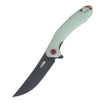
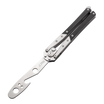
Shop CJRB large folding knives over 3.5”, engineered for outdoor use, heavy-duty cutting, and maximum blade strength. The choice for campers, workers, and collectors who prefer a powerful full-size folder. The Large & Outdoor – Over 3.5" collection provides the necessary durability. When packing these, ensure the sheath is heavy-duty leather or Kydex. It is advisable to declare these as "sporting equipment" if asked by airline staff, rather than "weapons."
Multi-tools and Swiss Army Knives
Multi-tools are the traveler's best friend due to their versatility. However, remember that if a multi-tool has a blade, it must go in checked bags. Even if the blade is tiny, TSA will confiscate it at the carry-on checkpoint. If you need a multi-tool for your carry-on, look for specific "TSA-compliant" versions that lack a knife blade.
Kitchen Knives for Culinary Travelers
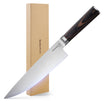
Chefs and culinary students often travel with their own knife rolls. The same rules apply: these must be checked. A professional knife roll is usually sufficient protection, but ensure the roll is tightly secured so knives cannot slide out during transit. Using plastic edge guards on each knife inside the roll is a best practice to prevent tip damage.
Airline Specific Policies
While TSA sets the baseline, airlines can have their own policies regarding liability and packing. It is crucial to check the Contract of Carriage for your specific airline.
Major US Carriers (Delta, United, American)
Generally, the major US legacy carriers follow TSA guidelines directly. They allow knives in checked bags. However, their liability for damage to these items may be limited. If you are checking a $500 custom knife, be aware that standard luggage liability might not cover the full replacement cost if the item is "lost" or damaged, as they often categorize valuables and electronics differently.
Budget Airlines (Spirit, Frontier)
Budget airlines operate on tight turnaround times and strict baggage policies. The rules for prohibited items are the same, but the fees for checked bags are higher. Ensure that you factor in the cost of checking a bag solely for your knife. Sometimes, the cost of the checked bag exceeds the value of the knife you are bringing.
Risk Management and Travel Insurance
Traveling with expensive gear involves risk. Baggage handlers process millions of bags, and theft or loss, while statistically rare, does happen.
Value Declarations for High-End Custom Knives
If you are traveling with a custom knife worth significant money, consider purchasing excess valuation coverage from the airline. This effectively increases the airline's liability limit for your luggage. Document the knife's condition and presence in the bag with photos before you check it in.
Tracking Your Luggage
In the age of technology, there is no excuse for not tracking your gear. Placing an Apple AirTag or Tile Pro inside your luggage (hidden in the lining, if possible) allows you to see if your bag has made it to the destination airport. If your bag containing your pocket knife in checked bag goes missing, having location data can be invaluable in helping the airline locate it.
What to Do in Case of Loss or Theft
If your bag arrives but your knife is missing, file a claim immediately at the airport. Do not leave the terminal. You will need your baggage claim ticket and the photos you took prior to departure. If the TSA inspected your bag (indicated by a strict notice inside), and items are missing, you can file a claim directly with the TSA, though the process can be lengthy.
Dealing with Enforcement: What to Do if Stopped
Even with perfect preparation, you may find yourself interacting with law enforcement or security personnel regarding your knife.
Interactions with TSA Agents
If a TSA agent flags your bag during the screening process (before it is loaded on the plane) and calls you over, stay calm. They usually just need to verify what the object is. Clearly state, "It is a tool/pocket knife securely wrapped in my checked luggage." Do not use the word "weapon." Cooperation and transparency are your best tools here.
Law Enforcement Encounters at Destination
If you are stopped by police at your destination and you are carrying a knife, the first rule is: do not reach for it. If asked if you have weapons, be honest but specific: "I have a pocket knife clipped to my pocket." Follow the officer's instructions. In many jurisdictions, the context matters. A knife carried along with camping gear is often viewed differently than a knife carried while entering a nightclub.
FAQ
1. Can I bring a pocket knife in my carry-on if the blade is under 2.5 inches?
No. The TSA previously proposed allowing small knives, but that proposal was withdrawn. Currently, all knives, regardless of blade length, are prohibited in carry-on luggage. They must be packed in your checked bags.
2. Do I need to declare my pocket knife to the airline when checking my bag?
Generally, no. Unlike firearms, which must be declared, unloaded, and locked in a hard-sided container, knives do not typically require a verbal declaration at the check-in counter. However, they must be safely sheathed to prevent injury to handlers.
3. What happens if I forget a knife in my carry-on and get to security?
You have a few options: you can exit the line and go back to check the bag (if you have time), hand it off to a non-traveling companion, mail it to yourself (some airports have mailing kiosks), or voluntarily surrender it to the TSA. Once surrendered, you will not get it back.
4. Are ceramic knives treated differently than metal knives?
No. Ceramic knives are still sharp objects and are prohibited in carry-on bags. Furthermore, ceramic knives can be harder to detect on some older X-ray machines, which might lead to more intense scrutiny if they are found during a manual search. Pack them in checked luggage with plenty of padding, as ceramic is brittle.
5. Can I lock my checked bag containing a knife?
Yes, and you should. However, you must use a TSA-approved lock (like those made by Master Lock or Travel Sentry). These locks allow TSA agents to open the bag with a master key for inspection and relock it. If you use a non-approved lock, they have the legal right to cut it off to inspect the contents.


Leave a comment
All comments are moderated before being published.
This site is protected by hCaptcha and the hCaptcha Privacy Policy and Terms of Service apply.