

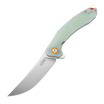
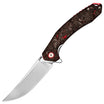
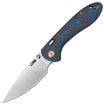
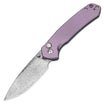

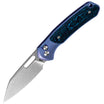
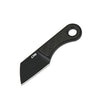
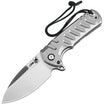
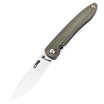
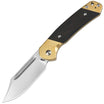
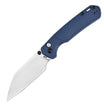
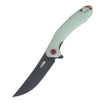
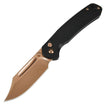
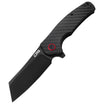
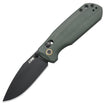
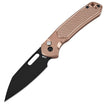
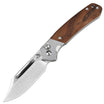
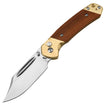
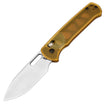
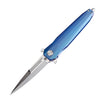
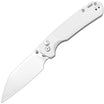
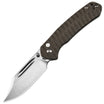
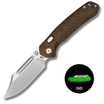
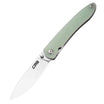
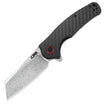
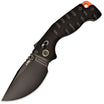
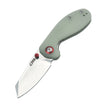
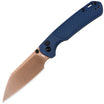
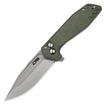
When most people start looking for a new everyday carry (EDC) tool, they obsess over the blade steel. They dive deep into metallurgy, Rockwell hardness, and edge retention charts. While the blade is undeniably the heart of the tool, the handle is its soul. It is the interface between the machine and the human hand. If a knife is uncomfortable to hold, slippery when wet, or too heavy to carry comfortably, the quality of the steel becomes irrelevant because you simply won't want to use it.
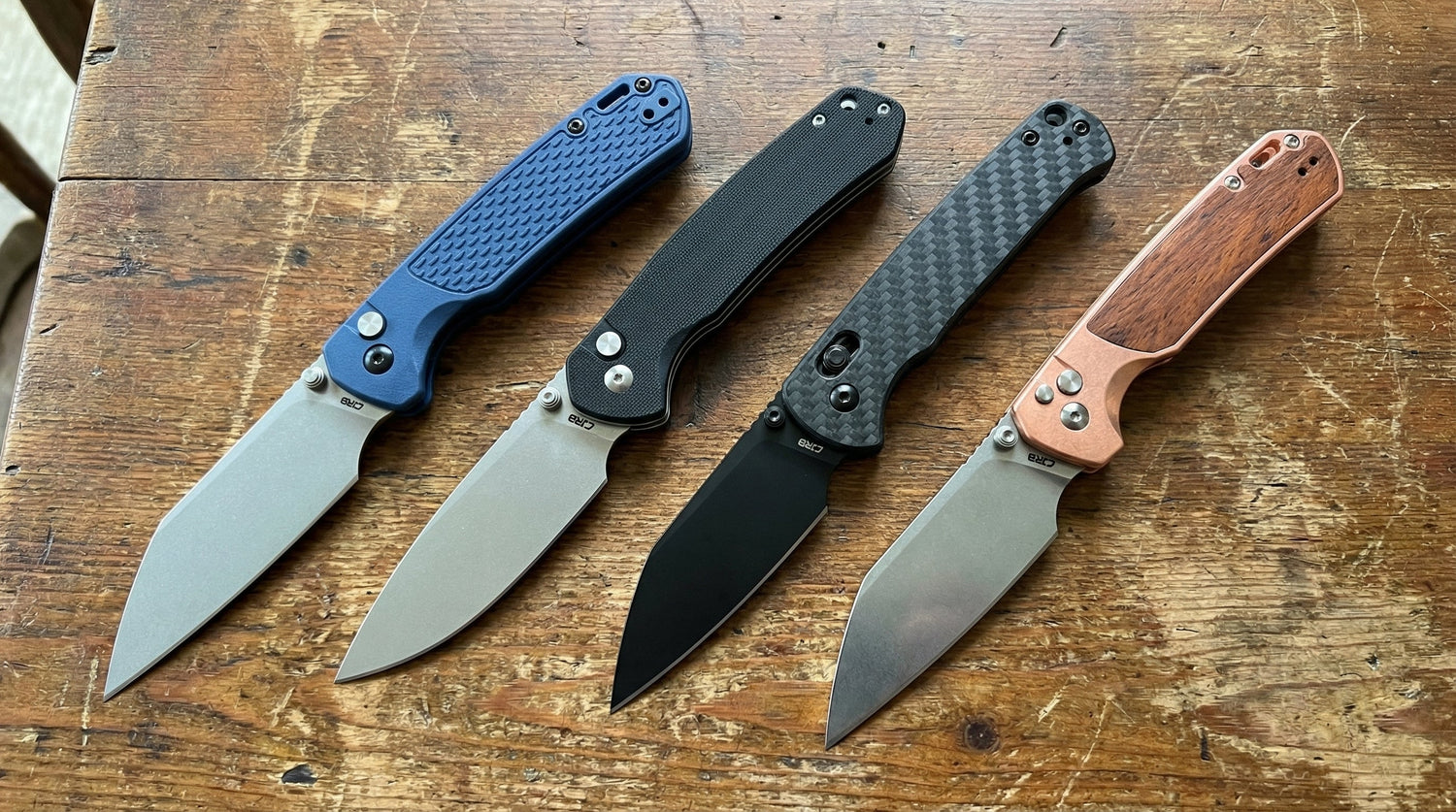
Finding the best material for knife handles is a journey that balances science, art, and personal preference. Are you looking for the space-age coolness of Carbon Fiber? The rugged, lightweight utility of Fiberglass Reinforced Nylon (FRN)? Or perhaps the developing character of raw Copper? In this ultimate buying guide, we are going to dissect the most popular handle materials on the market today. We will look at their chemical composition, their real-world performance, and help you decide which one deserves a spot in your pocket.

1. The Science of Ergonomics and Grip
Why Handle Material Dictates Usability
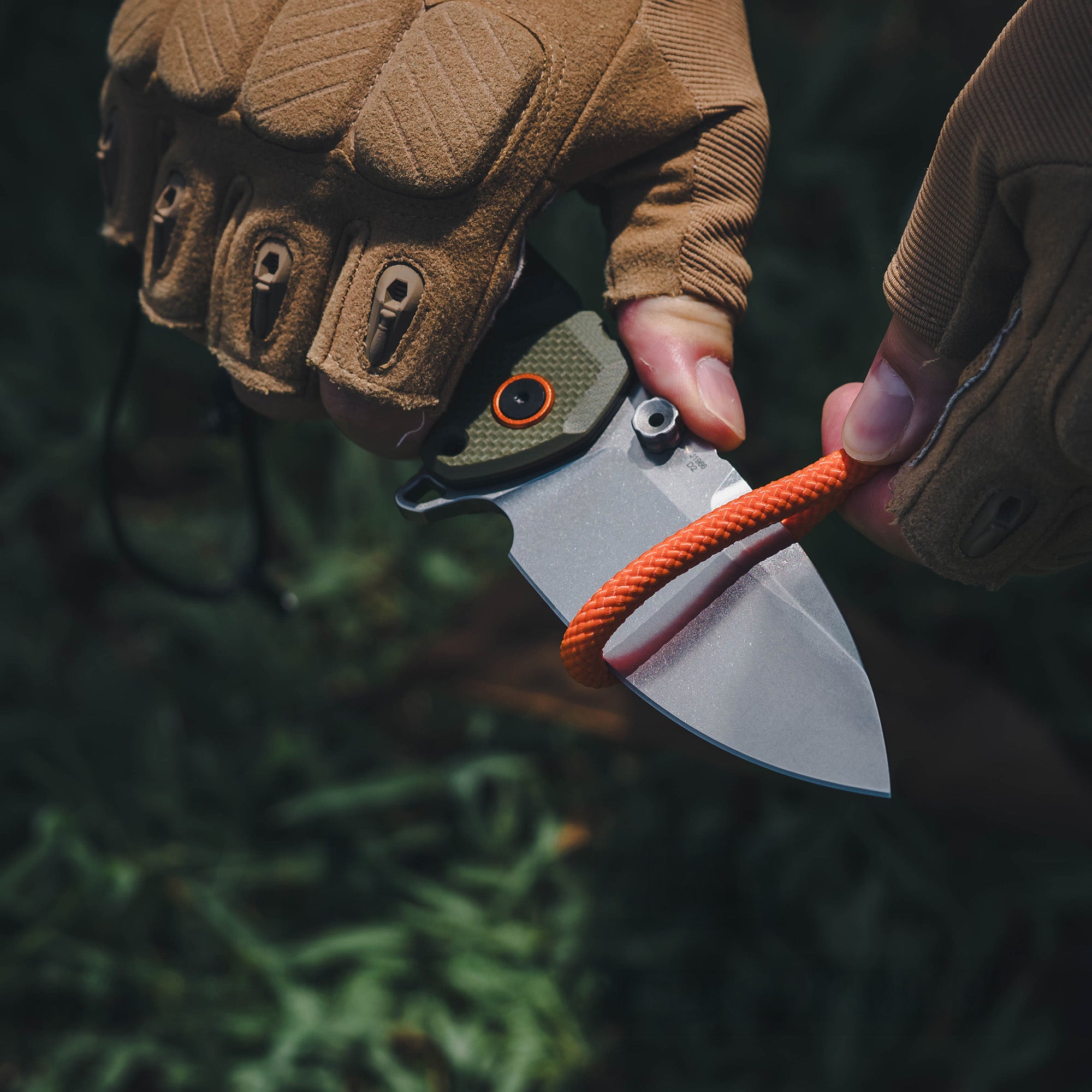
Before we jump into specific materials, we need to understand what we are asking these materials to do. A knife handle isn't just a casing; it is a structural component that provides leverage. The coefficient of friction—how grippy a material is—changes drastically depending on how it is finished. For instance, smooth Carbon Fiber can be slippery, while textured G10 can feel like sandpaper. When choosing the best material for knife handles, you must consider the environment in which you will use the tool. Will you be wearing gloves? Will your hands be cold, wet, or oily? The material you choose acts as the anchor for all your cutting tasks.
The Weight Factor: Balance vs. Heft
The density of the handle material directly influences the balance point of the knife. A blade-heavy knife can feel clumsy during delicate cutting tasks, while a handle-heavy knife can feel sluggish. Synthetic materials like FRN and Carbon Fiber are prized for shifting the balance forward or keeping the total weight negligible for jogging shorts or light slacks. Conversely, metals like Copper or Brass add a significant heft that many users associate with quality and stability. This "perceived value" of weight is a major psychological factor in the knife community. Understanding your preference for a "featherweight" versus a "tank-like" feel is step one in your purchasing journey.
2. Carbon Fiber: The High-Tech Luxury Choice

Understanding the Weave
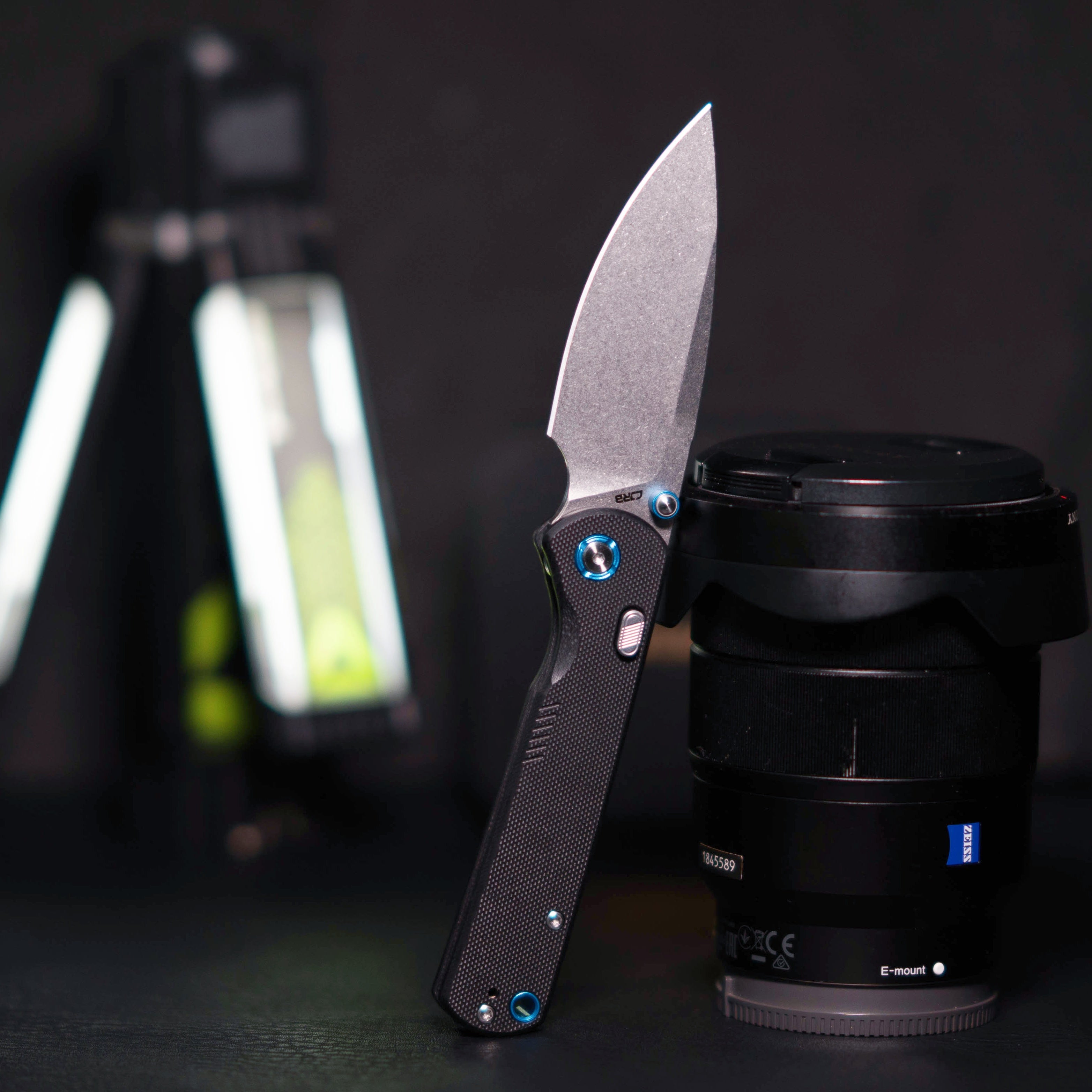
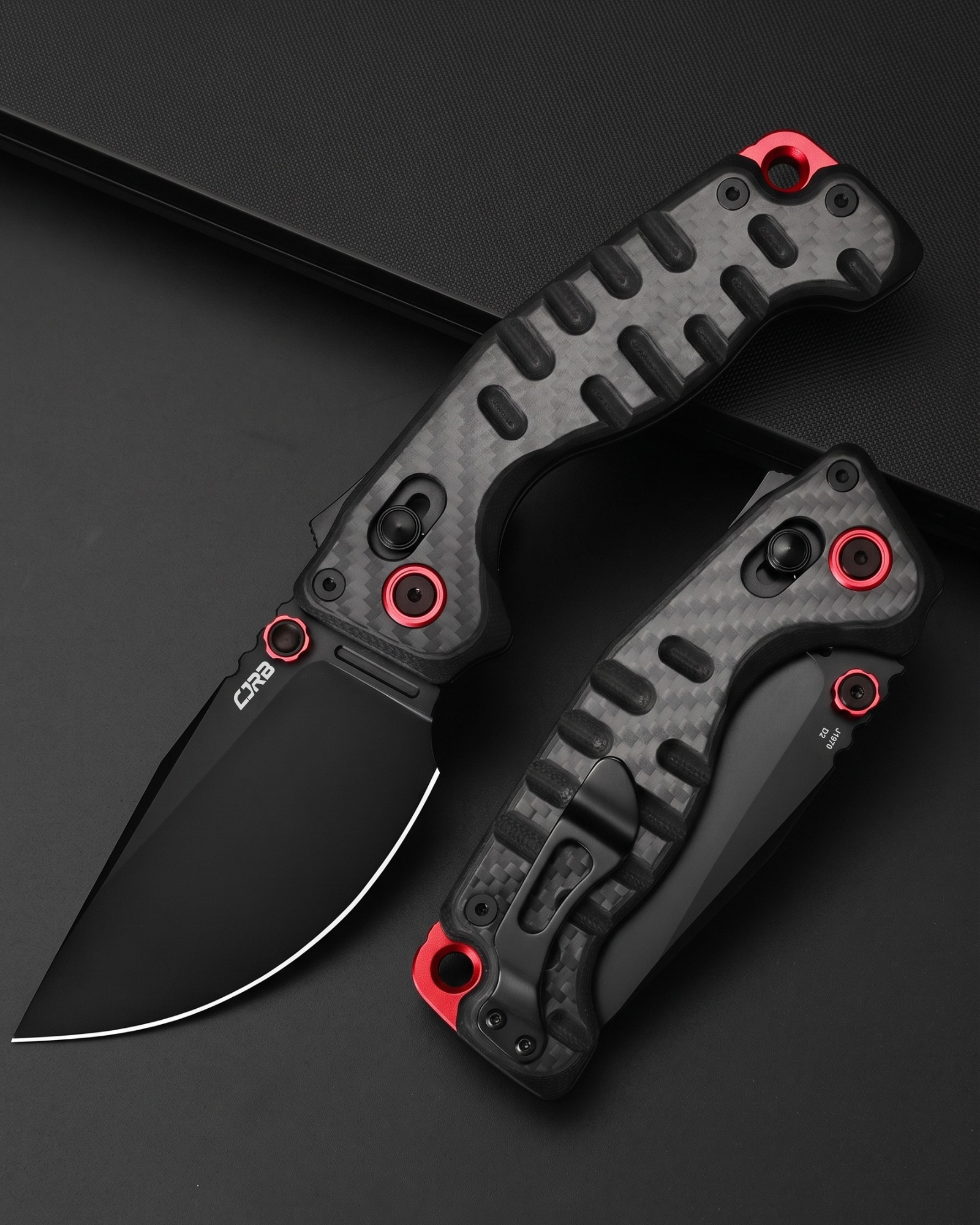
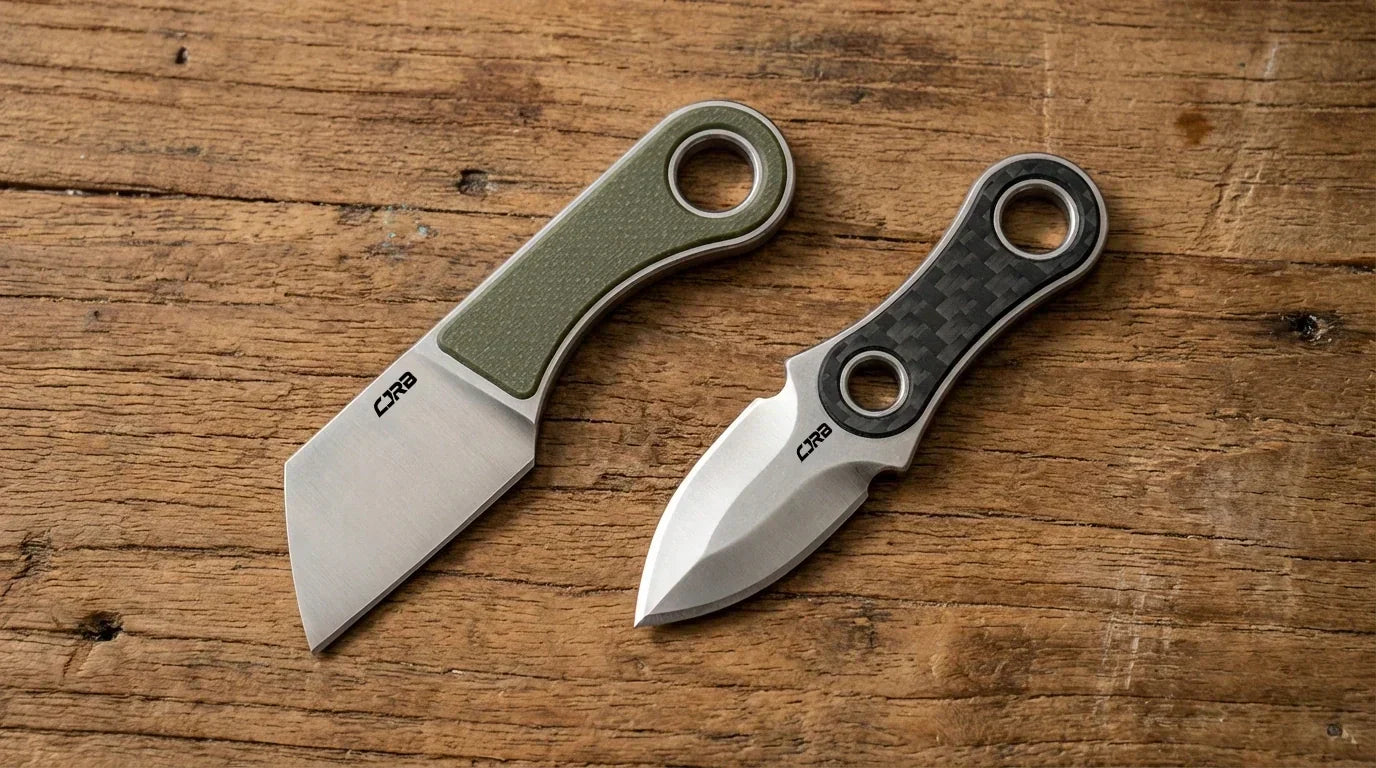
Carbon Fiber is often considered the gold standard for premium EDC knives. It is a polymer containing graphite fiber, offering an incredible strength-to-weight ratio. It is five times stronger than steel and twice as stiff, yet weighs a fraction of the amount. In knife making, strands of carbon are woven together and set in resin. The visual appeal comes from how light reflects off the weave, creating a holographic 3D effect.
However, not all Carbon Fiber is created equal. You have standard basket weaves, shredded carbon fiber (which looks like marble), and unidirectional fiber. It is a material that screams sophistication. Explore CJRB's Carbon Fiber collection, where advanced material technology meets refined knife crafting. Dive into a selection that showcases the lightweight, durable, and sophisticated allure of carbon fiber handles, marrying top-tier functionality with modern, aesthetic appeal. Unlock a world of innovative design and elevate your everyday carry with our superior, Carbon Fiber-infused blades today!
Performance and Durability
While it looks like jewelry, Carbon Fiber is a brute. It is impervious to temperature changes, meaning it won't freeze your hand in winter or burn it in summer. It is also highly resistant to corrosion. The only downside is that it can be brittle under extreme impact compared to something slightly softer like Micarta, but for 99% of EDC tasks, it is virtually indestructible.
Carbon Fiber vs. The World
| Feature | Carbon Fiber | Stainless Steel | G10 |
|---|---|---|---|
| Weight | Ultra Light |
Heavy |
Medium |
| Aesthetics | ⭐⭐⭐⭐⭐ (Luxury) | ⭐⭐ (Basic) | ⭐⭐⭐ (Tactical) |
| Cost | $$$ High | $ Low | $$ Medium |
3. Fiberglass Reinforced Nylon (FRN): The Underrated Champion
What is FRN and Why Use It?
Fiberglass Reinforced Nylon (FRN), sometimes referred to as GRN (Glass Reinforced Nylon), is a high-strength thermoplastic polymer mixed with glass fibers. It is injected into molds, which allows manufacturers to create intricate textures and ergonomic shapes that are impossible to machine out of metal or carbon fiber. Because it is molded, the texture is integrated into the material itself, often resulting in some of the grippiest handles on the market.
Durability and Use Cases
Do not mistake "plastic" for "cheap." FRN is incredibly tough. It has a slight flex that prevents it from shattering under impact, making it ideal for hard-use work knives. It is also impervious to water, oil, and most chemicals. If you are looking for a knife to throw in a tackle box, a toolbox, or a hiking bag, FRN is often the best material for knife handles in these scenarios due to its zero-maintenance nature.
CJRB FRN Knives are a prime example of this material done right. Explore lightweight durability with the CJRB FRN Handle Collection. Fiber-Glass Reinforced Nylon (FRN) offers exceptional strength, impact resistance, and all-weather reliability—perfect for users who demand performance without added weight. Each piece in this collection is designed for comfortable carry, secure grip, and long-lasting toughness, making FRN one of the most trusted materials in everyday carry gear.
The "Bi-Directional" Grip Advantage
One of the unique capabilities of FRN is the ability to mold bi-directional texturing. This means the grip pattern can be designed to resist slipping in one direction (pushing) and another direction (pulling) simultaneously. This is a significant safety feature for tactical and rescue knives that machined flat scales like G10 or Carbon Fiber often struggle to replicate without expensive 3D machining.
4. Copper and Brass: Materials with a Soul
The Magic of Patina
In a world of sterile, unchanging synthetics, copper and brass stand out because they are alive. These metals react with the oxygen in the air, the oils in your skin, and the environment around you to form a patina. Over weeks and months, a bright, shiny penny-colored copper handle will darken, developing swirls of brown, purple, and even green. This makes your knife uniquely yours; no two copper knives will ever look the same after being carried.

Copper is dense. Picking up a copper-handled knife conveys a sense of seriousness. It feels substantial. CJRB Copper Knives allow you to experience the bold character and timeless appeal of copper with the CJRB Copper Handle Collection. Copper offers a solid, weighty feel in hand and naturally forms a rich patina over time, giving each piece its own evolving personality. This collection highlights durable builds, vintage aesthetics, and the unmistakable warmth of copper—perfect for EDC users who appreciate gear that looks better with every carry.
Antimicrobial Properties
An often-overlooked benefit of copper (and its alloys like brass and bronze) is its oligodynamic effect. Copper is naturally antimicrobial. While you shouldn't rely on your knife handle to sterilize a wound, it is a neat biological fact that bacteria struggle to survive on copper surfaces, making it a historically hygienic choice for tools.
5. G10: The Tactical Standard
Composition and Manufacturing
G10 is a high-pressure fiberglass laminate. It is created by stacking multiple layers of glass cloth, soaking them in epoxy resin, and compressing the resulting material under heat until the epoxy cures. The result is a material that is incredibly hard, lightweight, and strong. It is similar to Carbon Fiber but uses glass fibers instead of carbon strands. It is generally more affordable than Carbon Fiber but offers comparable durability.
Grip and Texture Options
Manufacturers love G10 because it is easy to machine. It can be checkered, grooved, or bead-blasted. When aggressive texture is applied, G10 offers perhaps the most secure grip of any handle material, wet or dry. This is why it is the standard for tactical military and police knives. The material does not conduct electricity and shrinks very little, maintaining dimensional stability in extreme heat or cold.
Color Variety
Unlike Carbon Fiber, which is predominantly black (though colored resins exist), G10 can be produced in any color imaginable. Layers of different colors can be stacked, so when the handle is machined effectively, it reveals a topography of colors (like black and blue, or orange and black) that adds a striking visual element to the knife.
6. Micarta: The Old-School Cool
Canvas, Linen, and Paper
Micarta is a composite similar to G10, but instead of glass fiber, it uses organic materials like linen cloths, canvas, or paper soaked in phenolic resin. This gives Micarta a softer, warmer feel in the hand compared to the cold, hard feel of G10 or Carbon Fiber.
- Canvas Micarta: The most rugged. You can see the coarse weave of the canvas. It has a high grip factor.
- Linen Micarta: A finer weave, offering a smoother finish while still retaining good grip.
- Paper Micarta: Very smooth, often polished to look like ivory or bone. Less grippy, but very elegant.
The Moisture Grip Paradox
One of the coolest features of Canvas Micarta is that it actually gets grippier when wet. The exposed fibers of the canvas wick up moisture (sweat, rain, oil), causing them to swell slightly and providing increased traction. This makes it an absolute favorite for bushcraft knives and outdoor tools.
7. Natural Materials: Wood and Bone
Stabilized Wood
Wood is the original knife handle material. However, raw wood can warp, crack, and rot. Modern high-end knives use "stabilized wood." This process involves injecting the wood with polymer resin under a vacuum, filling all the pores. This turns the wood into a hybrid material that looks like natural timber—with beautiful grain patterns—but acts like a tough plastic. It won't shrink or absorb water.
Bone and Antler
Jigged bone and stag antler are traditional materials often found on slip-joint knives and classic pocket knives. They offer a rugged, chaotic texture that provides excellent grip. While not as durable as G10 or FRN (they can crack if dropped on concrete), they offer a heritage aesthetic that modern synthetics simply cannot replicate.
8. Step-by-Step: Choosing Your Material
Deciding on the best material for knife handles can be overwhelming. Follow this simple process to narrow down your choice.
Step 1: Define the Environment
1 Wet/Outdoor: If you are around water, fishing, or in the snow, prioritize FRN or Micarta. Avoid smooth metals.
2 Office/City: For general package opening and style, Carbon Fiber or Copper adds a touch of class.
3 Tactical/Heavy Duty: If your life depends on the grip, G10 with aggressive texturing is the gold standard.
Step 2: Define Your Carry Style
4 Lightweight Shorts: If you wear athletic gear or suit trousers, you need lightweight materials like Carbon Fiber or FRN.
5 Jeans/Work Pants: Heavier materials like Copper, Brass, or thick G10 ride well in sturdy pockets.
9. Maintenance: Keeping Your Handles Fresh
Cleaning Synthetics (G10, FRN, Carbon Fiber)
Synthetic handles are easy to maintain. Usually, warm soapy water and a toothbrush are all you need to scrub out dead skin cells and dirt from the texturing. For Carbon Fiber, a little Windex can make the clear coat shine.
Caring for Patina Metals
If you have a Copper or Brass knife, you have two choices: let it ride or keep it shiny. To reset the patina and make it look new, you can use a metal polish like Brasso or a homemade paste of lemon juice and baking soda. However, most enthusiasts prefer to simply wipe it down with a little mineral oil to prevent verdigris (green gunk) while allowing the natural darkening to occur.
Micarta Care
Micarta will absorb oils from your hands and darken over time. If you want to restore the original lighter color, you can scrub it with dish soap and water. When dry, it will look chalky and new. If you prefer the dark look, rub a drop of mineral oil into the scales.
 10. Conclusion
There is no single "best" material for every person, but there is certainly a best material for you. Whether you choose the featherlight performance of CJRB FRN Knives, the evolving history of CJRB Copper Knives, or the high-tech elegance of CJRB Carbon Fiber Knives, your choice reflects your needs and your style. The handle is what you feel every time you reach into your pocket. Choose one that brings you joy and confidence.
FAQ: Frequently Asked Questions
Q1: What is the most durable knife handle material?
For pure impact resistance and longevity, Titanium and G10 are top contenders. However, FRN (Fiberglass Reinforced Nylon) is surprisingly durable due to its ability to flex slightly under stress rather than cracking. For everyday carry, any of these synthetics or metals will likely outlast the user if cared for properly.
Q2: Is Carbon Fiber just for looks, or is it actually strong?
Carbon Fiber is incredibly strong. It has one of the highest strength-to-weight ratios of any material used in knife making. While it can be brittle if hit with a hammer directly on an edge, for the structural integrity of a knife handle, it is vastly superior to plastics and even rivals metals like aluminum in rigidity while being much lighter.
Q3: Why do some people prefer heavy copper handles?
The preference for copper is largely aesthetic and sensory. The extra weight gives the knife a feeling of substance and quality. Furthermore, the patina process allows the user to have a unique connection with the tool, as the handle changes color based on the user's body chemistry and environment. It turns a mass-produced item into a personalized artifact.
Q4: Does Micarta get slippery when wet?
No, quite the opposite. Canvas and Linen Micarta are unique because they tend to become grippier when they absorb moisture. The fibers in the material swell slightly when wet (from water, sweat, or blood), creating a fuzzier texture that enhances traction. This makes Micarta a favorite for hunting and outdoor knives.
Q5: How do I clean a white or light-colored G10 handle?
Light-colored G10 (like jade or white) can show dirt easily. The best method is to use a magic eraser or a toothbrush with mild dish soap. Because G10 is non-porous, the dirt is usually just sitting on the surface texture. For stubborn stains, a little WD-40 followed by soapy water can help lift the grime from the grooves.


Leave a comment
All comments are moderated before being published.
This site is protected by hCaptcha and the hCaptcha Privacy Policy and Terms of Service apply.