

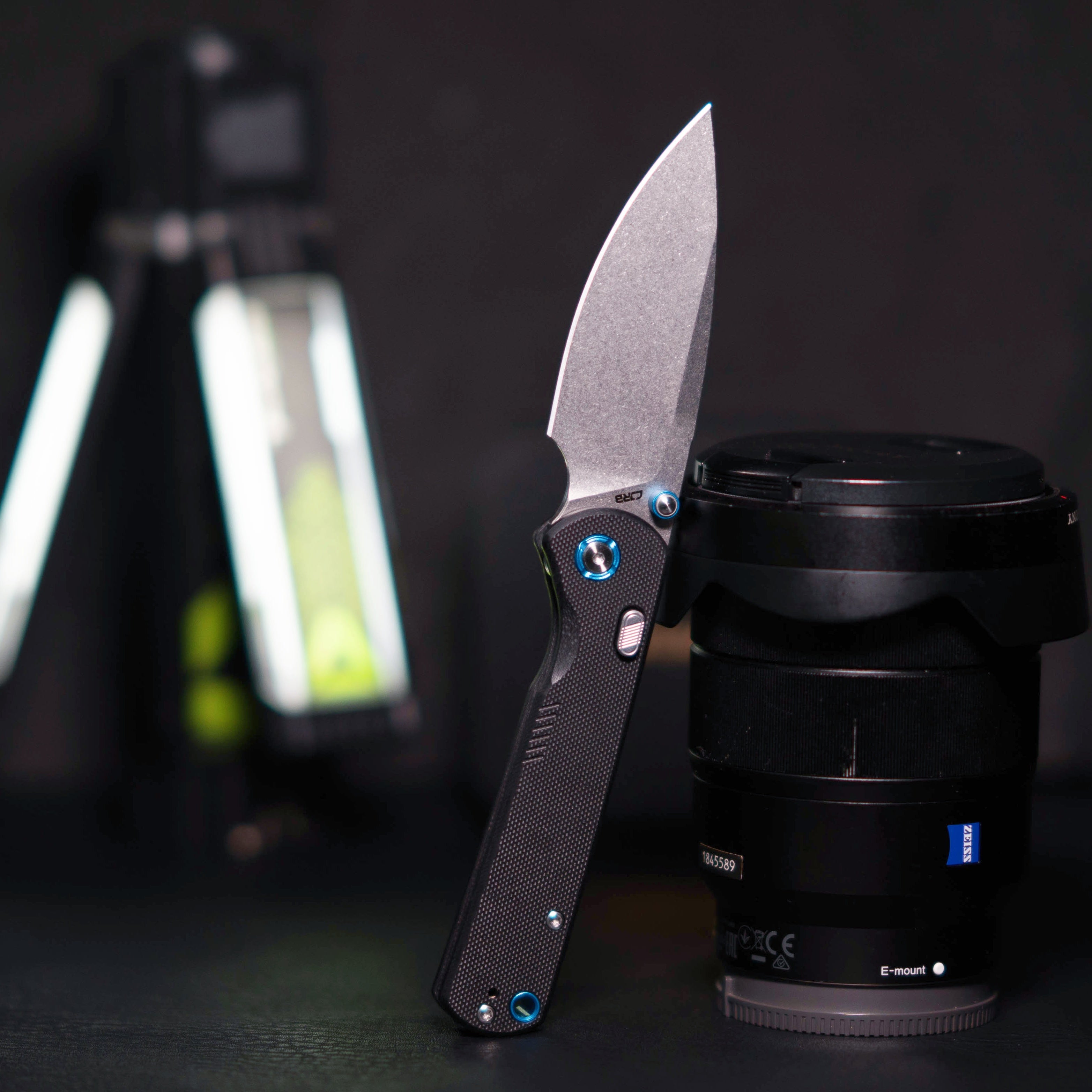
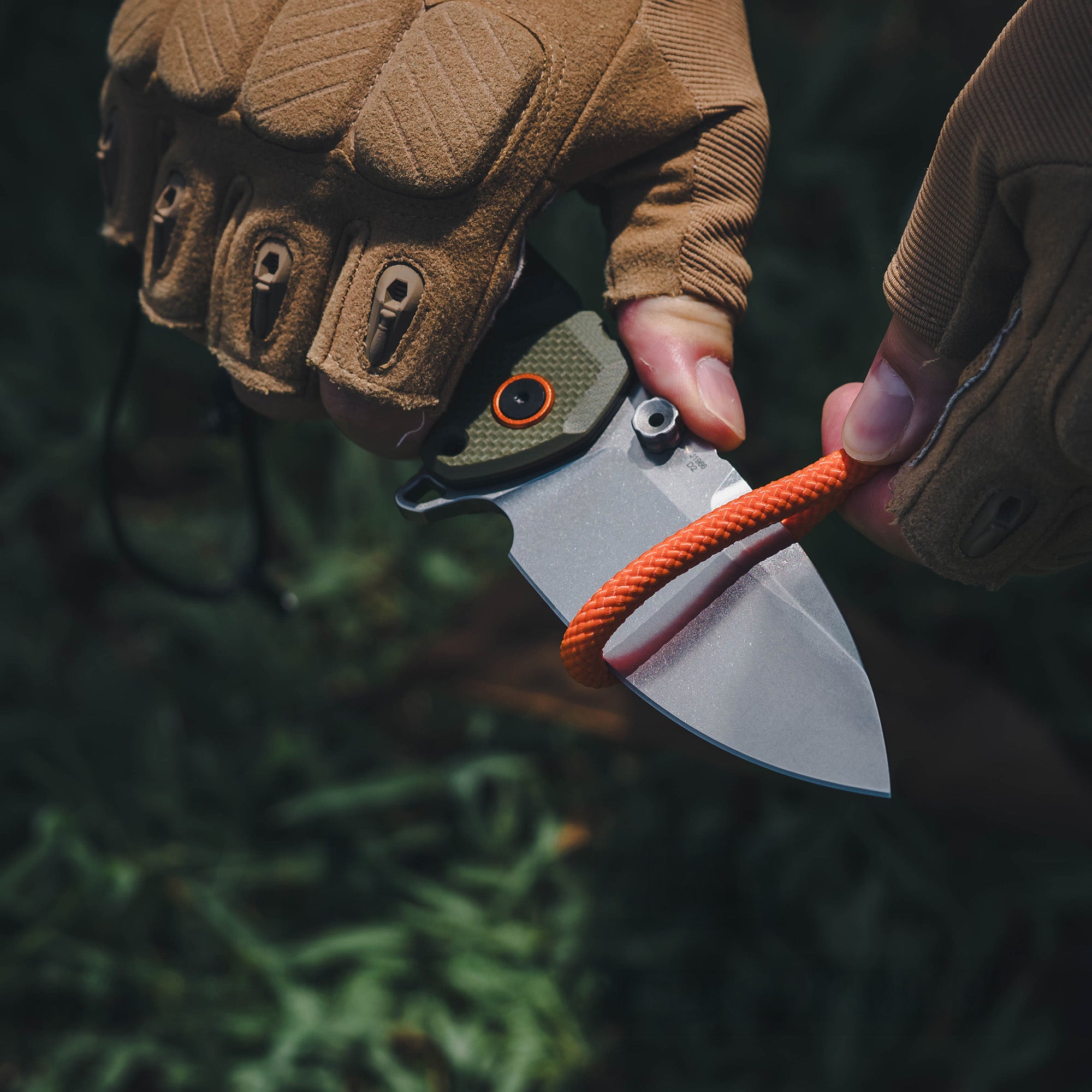
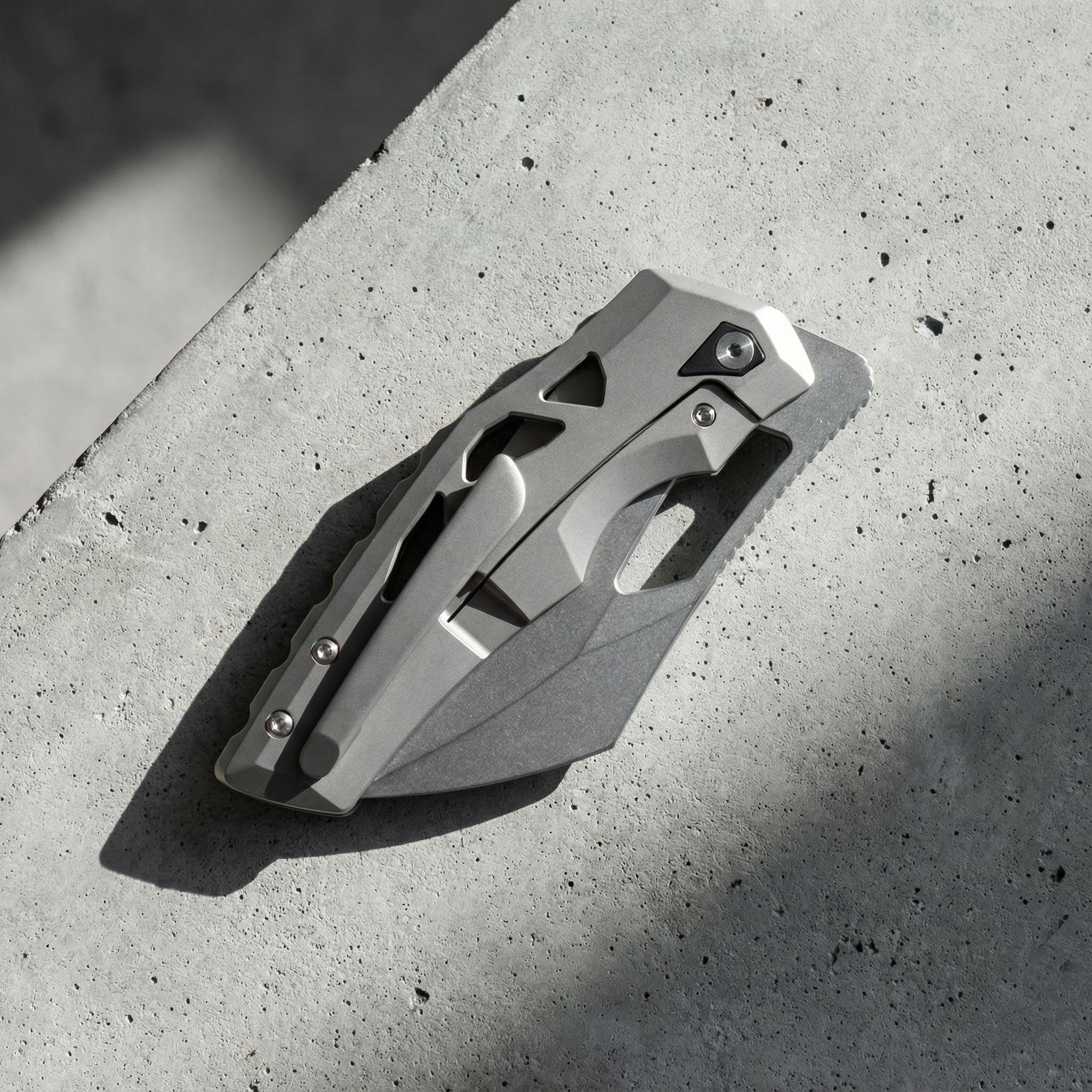

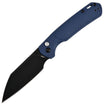
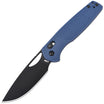
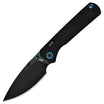
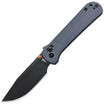
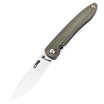
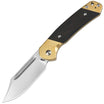
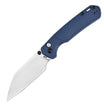
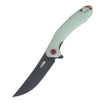
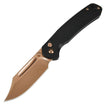
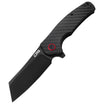
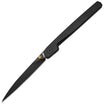
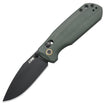
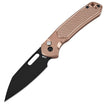
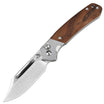
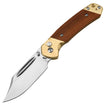
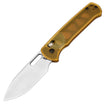
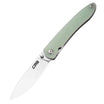
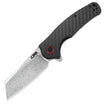
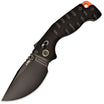
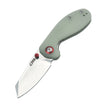
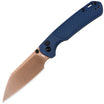
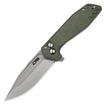

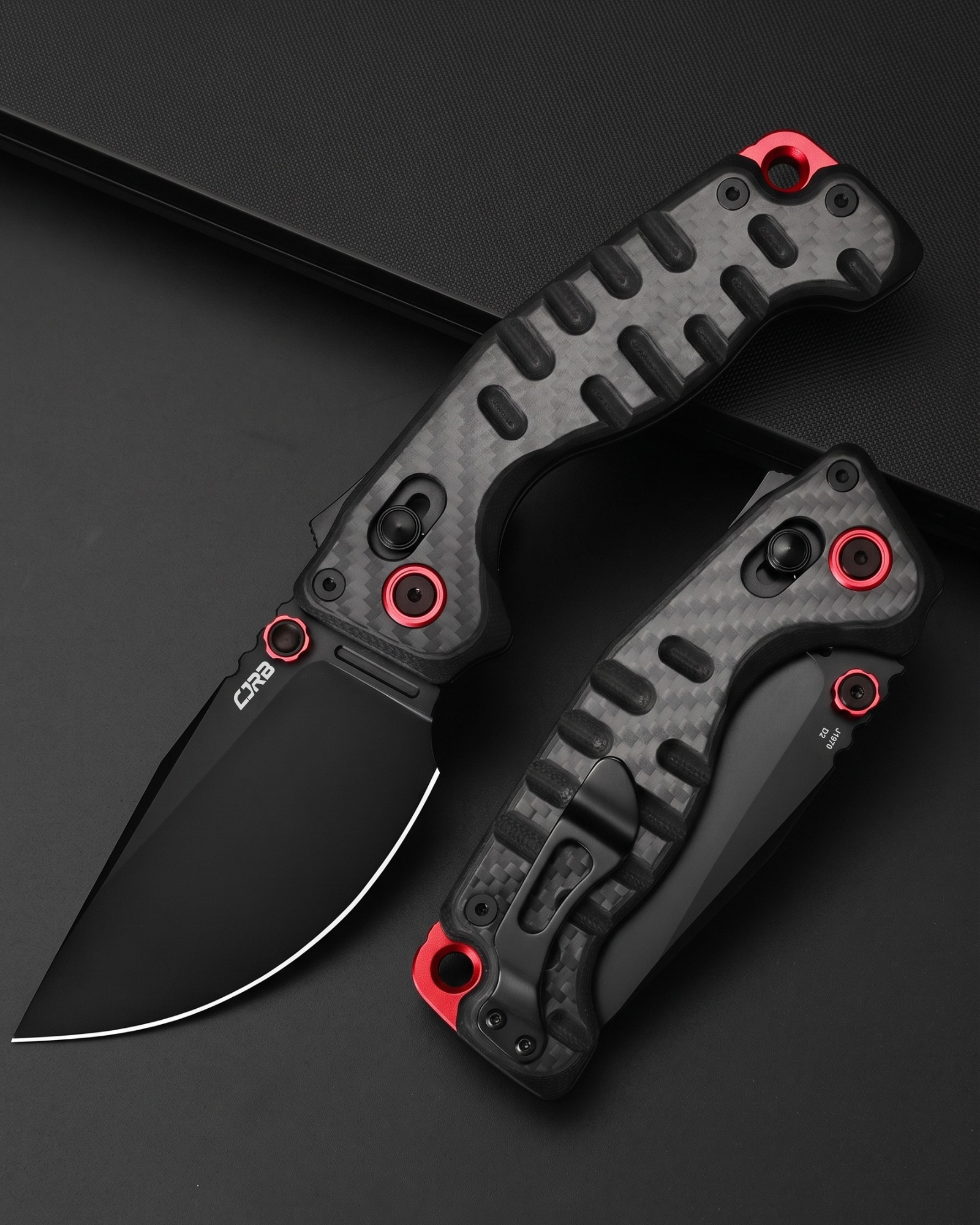
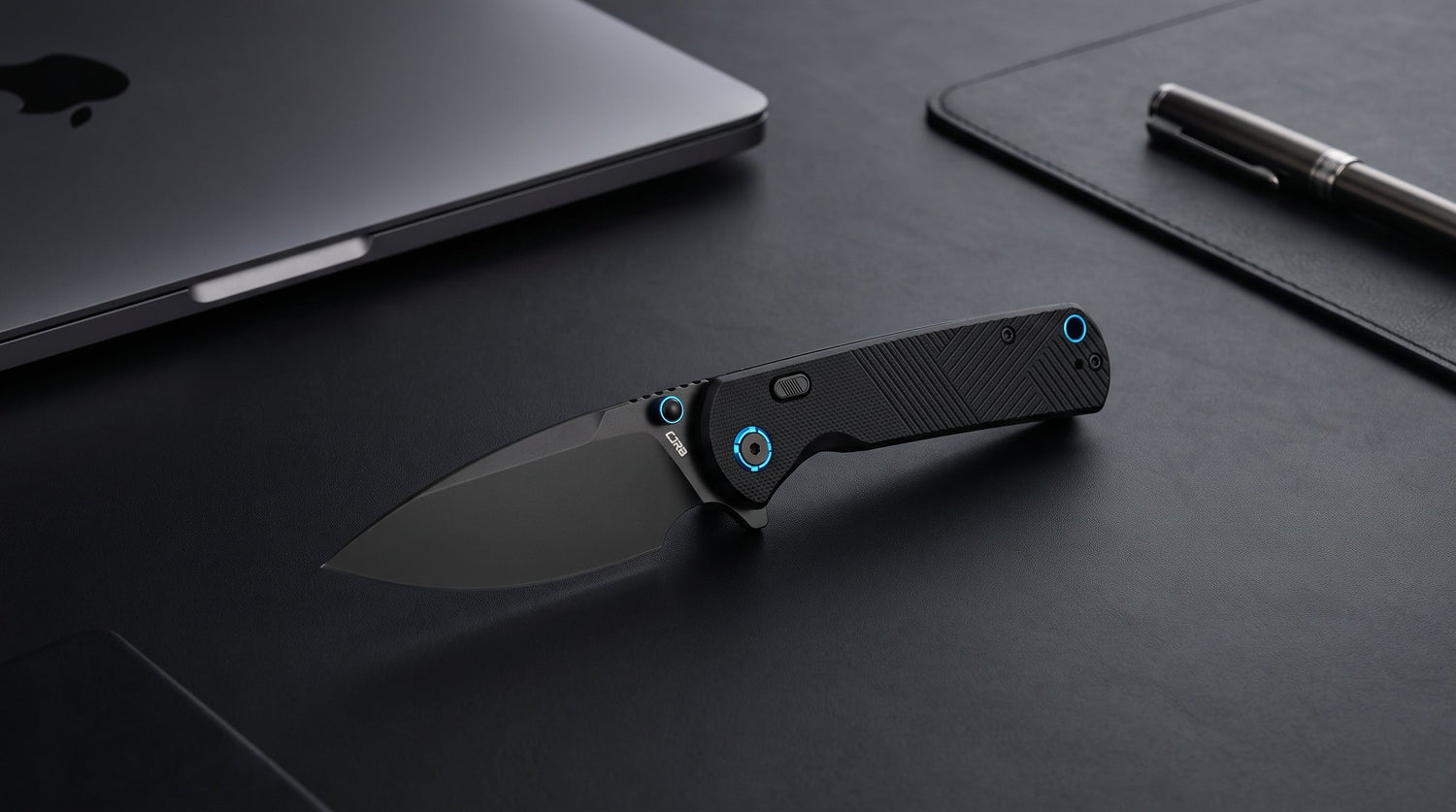
For decades, the knife community debated the merits of various locking systems. But recently, a specific variation has been catching the attention of designers and users alike. The top liner lock takes a proven concept and shifts its geometry to solve some very annoying ergonomic issues. Let us look closely at how this system actually works in the real world, minus the marketing hype.
Truth be told, not every locking mechanism fits every user. In my testing over the past few years, I have noticed that this specific lock design significantly changes the handle profile. I want to break down exactly why that matters.
What Exactly is a Top Liner Lock?
The Mechanics Behind the Mechanism
To understand this system, we need to briefly look at the traditional liner lock invented by Michael Walker. In a standard setup, a section of the metal liner acts as a leaf spring. When the blade opens, this spring moves inward to rest against the tang of the blade, keeping it from closing. You push it out of the way with your thumb to fold the knife.
A top liner lock operates on the exact same fundamental physics but alters the placement and access point. Instead of the release tab protruding heavily from the bottom of the handle, the interface is shifted higher or integrated more cleanly into the top portion of the frame geometry. This simple shift completely changes how your fingers interact with the handle during use.
How It Differs from the Standard Setup
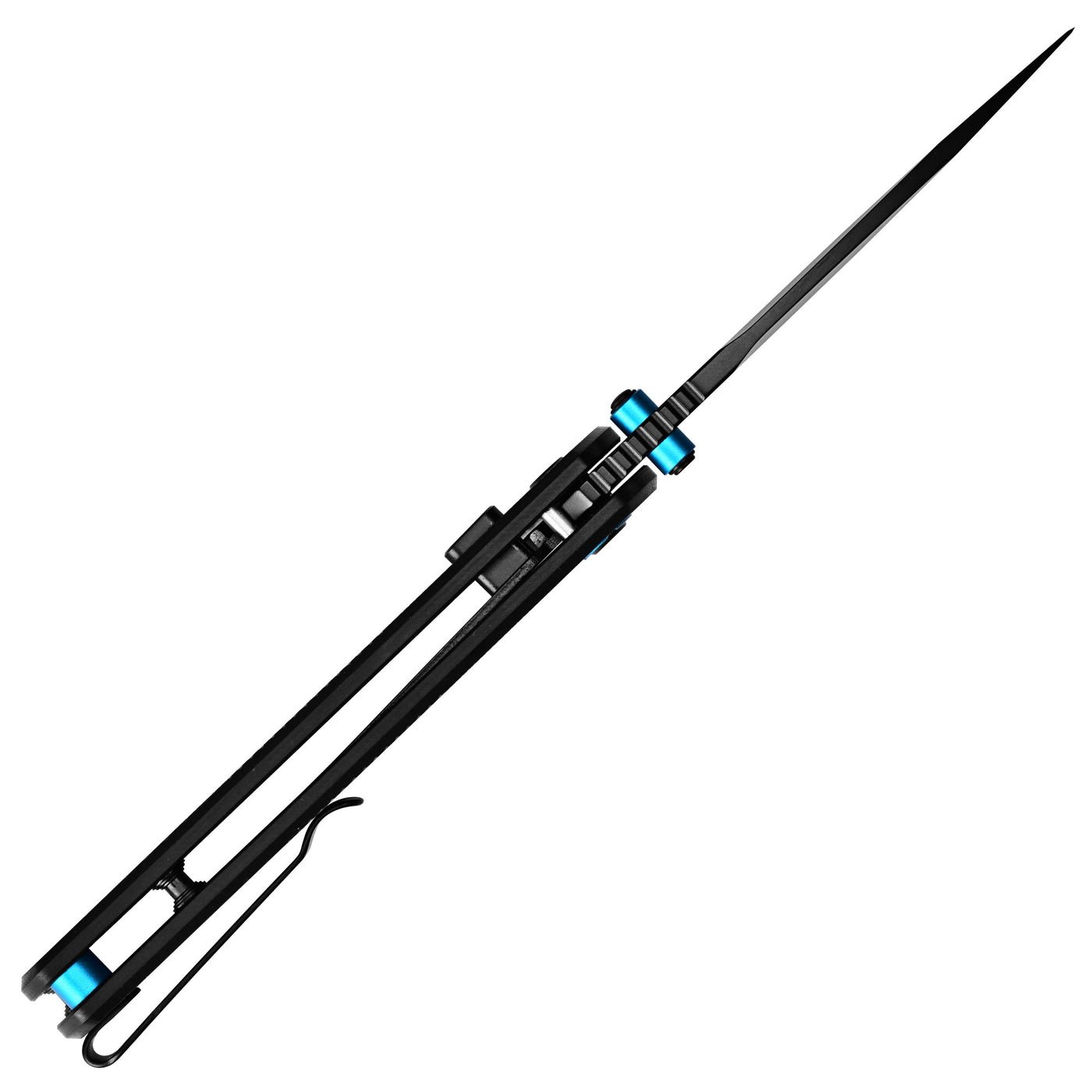
You might wonder if moving the access point really makes a difference. Based on my experience, it does. Standard liners often require a large cutout in the handle scale. This cutout exposes the lock bar but creates a hotspot where your index finger rests. When you squeeze the handle hard to carve wood or cut thick cardboard, that cutout bites into your skin.
By utilizing a top liner configuration, designers can maintain a nearly solid handle scale. The access is tucked away safely, giving you a smooth surface for your grip. It is a subtle design choice that pays off during prolonged use.
Why the Top Liner Lock is Gaining Traction
Ergonomics and Pocket Profile
One of the biggest reasons people explore the Top Liner Lock collection is purely physical comfort. I have handed these knives to friends who are not knife enthusiasts, and the first thing they notice is how smooth the belly of the handle feels. There is no sharp metal tab scraping against their hand.
This also translates to how the knife carries. Without a prominent lock bar tab sticking out, the tool slides in and out of your pocket smoothly. It does not chew up the hem of your jeans. For an edc knife, saving your pockets from premature wear is a massive bonus.
Strength and Reliability Testing
Is it actually strong? I have put several of these through aggressive testing, including spine whacks and heavy downward cuts. Because the geometry still relies on thick steel or titanium bracing against the blade tang, the lockup is incredibly secure. Actually, because the user's grip often reinforces the scale rather than accidentally pressing on the lock bar release, unintentional closures are rare.
- Cleaner handle ergonomics without hotspots
- Reduced pocket wear during daily carry
- Extremely secure engagement
- Can be slightly harder to disengage with gloves
- Requires a short learning curve for muscle memory
Field Testing: Premium Materials Meet Precision
Titanium and S35VN: The High-End Standard
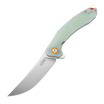
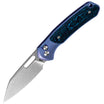
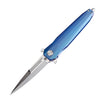
Theory is fine, but practical application is where things get interesting. I recently carried the Artisan Cutlery Mousebird model. This knife pairs the top liner mechanism with a full titanium handle and a CPM S35VN blade. The pairing is phenomenal.

S35VN is a premium particle metallurgy alloy known for excellent edge retention and toughness. According to data from metallurgical researchers, S35VN hits a sweet spot for everyday tools. When I used the Mousebird to break down thick, double-walled appliance boxes, the blade sliced through without hesitation. More importantly, the lock did not budge. The titanium handle kept the weight down to a mere 107 grams, making it almost disappear in the pocket.
The Contoured Titanium Experience
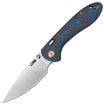
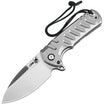
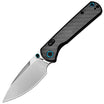
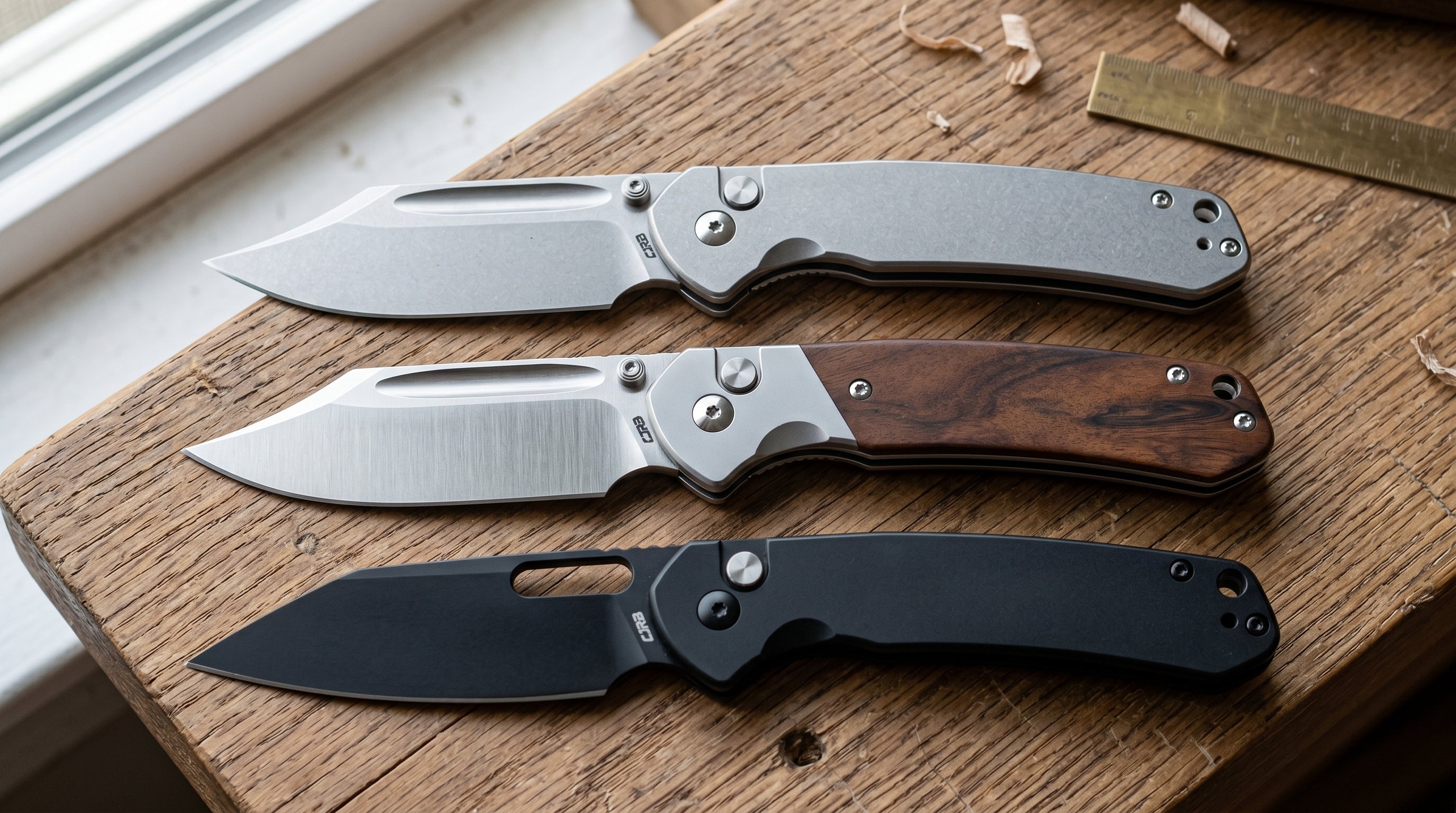
If you prefer a slightly larger blade, I also tested the CJRB Building the Feldspar in contoured titanium. This is where the top liner lock really shines visually. The handle scales are milled from solid titanium with a fine micro-texture. Because the lock access is so well integrated, the beautiful contouring of the handle goes entirely uninterrupted.

This model uses S90V steel. I will be completely honest: sharpening S90V can be a chore due to its extremely high wear resistance. However, the trade-off is an edge that lasts for months of regular use. The lock engagement on this piece feels like a bank vault closing.
Budget-Friendly Workhorses That Deliver
G10 and AR-RPM9 Steel Performance
I get it, not everyone wants to spend over two hundred dollars on an edc knife. You might just want a reliable beater knife for the garage or the campsite. This is where budget-friendly materials like G10 and proprietary steels come into play.
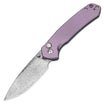
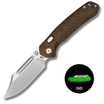
Take the CJRB CJRB Latitude for example. Priced at just $54.99, it proves that this locking mechanism isn't restricted to luxury items. The textured G10 handle provides aggressive grip, which I found perfect when my hands were slick with oil in the garage.

The Latitude uses AR-RPM9 steel. From my testing, this steel takes a wicked sharp edge very easily. It will not hold that edge as long as S90V, but you can touch it up on a ceramic rod in under two minutes. The lockup is just as secure as its titanium cousins, proving the design scales well across different price points.
Patina and Personality: When Aesthetics Drive Function
Copper Scales in Everyday Carry
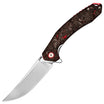
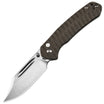
There is a growing trend in the EDC community toward materials that age with the user. Materials like brass and copper tell a story over time. I decided to test the CJRB Building the Feldspar in vintage copper to see how the locking mechanism handles heavier scale materials.

Copper is heavy. This specific knife weighs in at 171 grams. When you hold it, it feels like a serious, dense tool. The copper scales are machined flat and lightly stonewashed. Over the weeks I carried it, the oils from my hands started darkening the edges, creating a beautiful natural patina.
Because copper is softer than titanium or G10, I was initially worried about the structural integrity near the lock interface. However, the steel liner underneath takes all the mechanical stress. The copper is purely there for structure, weight, and aesthetics. The locking mechanism remains completely unaffected by the softer outer scale.
Expert Verdict: Should Your Next EDC Have a Top Liner Lock?
Who Benefits Most?
After months of testing different variations, I have a pretty clear picture of who this mechanism is for. If you do a lot of heavy, prolonged cutting tasks, you will absolutely love the clean handle ergonomics. Carpenters, warehouse workers, and outdoor enthusiasts will notice the lack of hot spots immediately.
On the flip side, if you work in environments where you wear thick leather work gloves constantly, you might find the recessed nature of the release a bit tricky to actuate blindly. It requires just a bit more thumb precision than a massive standard lock bar.
Maintenance and Long-Term Care
Maintaining these knives is practically identical to any standard folding knife. Dust and pocket lint will eventually find their way into the pivot and locking face. I usually blast the pivot area with compressed air every few weeks. Every six months, I take the knife apart, wipe down the ceramic ball bearings, and apply a tiny drop of high-quality knife oil.
| Maintenance Task | Frequency | Required Tools |
|---|---|---|
| Compressed Air Blowout | Bi-weekly | Canned air |
| Pivot Lubrication | Every 2-3 months | Lightweight knife oil |
| Full Disassembly & Clean | Every 6-12 months | Torx bit set (Usually T8/T6) |
At the end of the day, an edc knife is a personal choice. The top liner setup brings real, tangible benefits to handle comfort and pocket carry. It is not just a gimmick; it is a thoughtful refinement of a classic design.
Frequently Asked Questions
Are top liner locks safe for heavy duty tasks?
Yes. The fundamental locking geometry relies on metal bracing against the blade tang. As long as the manufacturer maintains tight tolerances, the lock is extremely reliable for heavy cutting, piercing, and slicing.
How do I clean debris out of the locking mechanism?
Because the access point is slightly more recessed, pocket lint can sometimes accumulate. The best approach is to use a can of compressed air to blow out the handle cavity. Avoid flushing it with water unless you plan to fully disassemble and re-oil the bearings.
Is this locking system friendly for left-handed users?
Like most standard liners, they are typically designed with right-handed operation in mind. A left-handed user can easily learn to disengage it with their index finger instead of their thumb, but it is not inherently ambidextrous like an axis-style lock.
Does the lock wear out over time?
All friction-based locks experience wear. However, quality manufacturers design the lock bar face and blade tang with a slight angle. As the metal wears down over years of use, the spring simply moves slightly further across the tang, maintaining a tight, secure lockup.


Leave a comment
All comments are moderated before being published.
This site is protected by hCaptcha and the hCaptcha Privacy Policy and Terms of Service apply.