





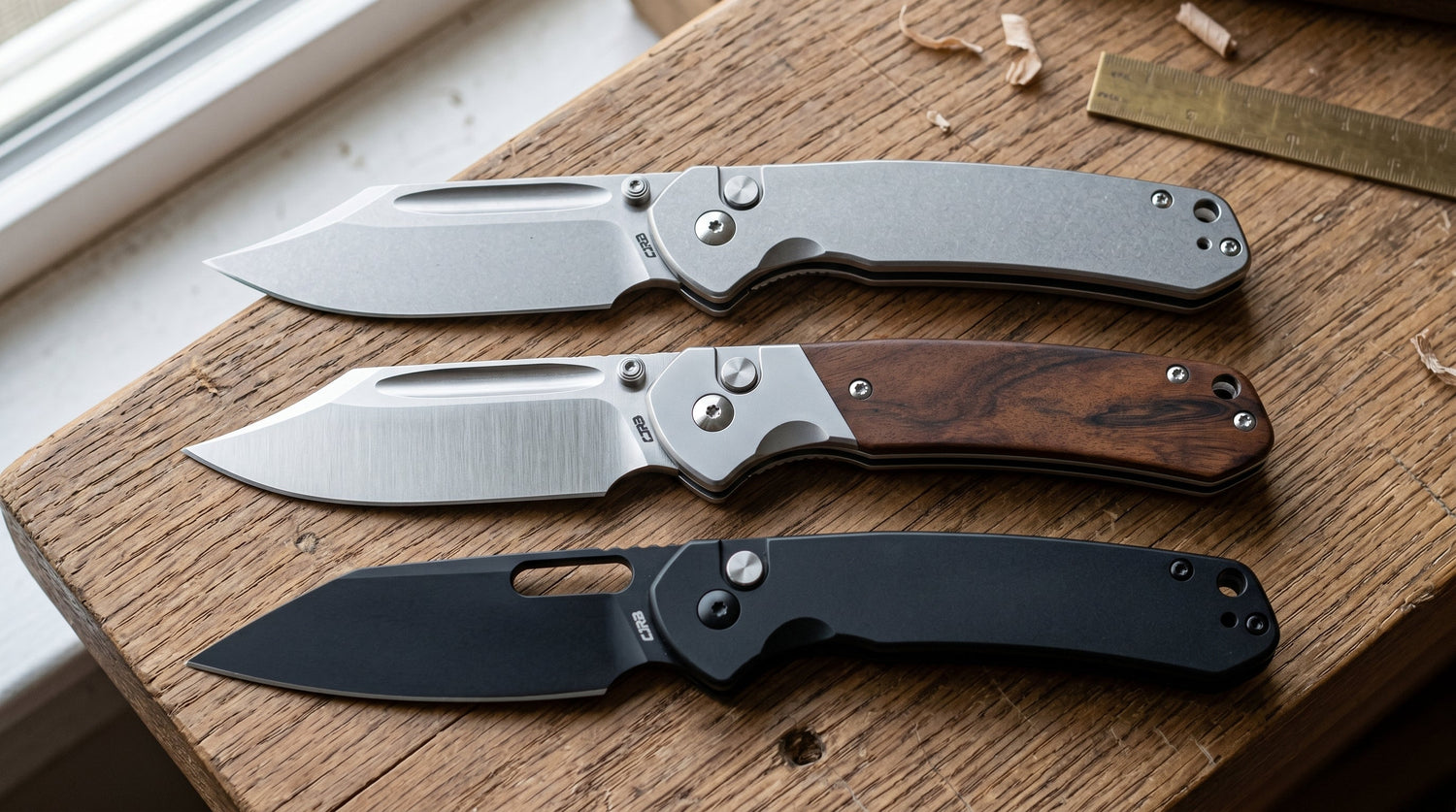
Have you ever stared at a knife spec sheet and felt completely overwhelmed by the terminology? You aren't alone. Honestly, finding the perfect Blade Finishe can feel confusing at first glance, but it heavily impacts your daily experience. The finish you choose alters how a knife looks, how it hides scratches, and how it handles daily wear.
Quick answer? A stonewashed blade is incredibly practical. Satin or Sand Polish provides a clean, classic aesthetic. Meanwhile, Black PVD is your dark, tactical option that adds a layer of surface protection. Let's break down exactly what these mean for your pocket.
What Is a Knife Blade Finish?
Simply put, the blade finish is the final surface treatment applied to the steel. I've noticed many beginners think the finish affects the actual edge sharpness, but that's a myth. It only affects the flat surfaces and bevels.
Some finishes, like stonewashing or sanding, physically alter the steel's top layer. Others, like PVD, apply a microscopic coating over the metal. This core difference is exactly why a stonewashed blade ages differently than a black PVD knife blade.
Satin Finish vs Sand Polish: Are They the Same?
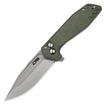
A very common question I get is: Is a satin finish the same as a sand polish? Yes, for the most part, they refer to the same visual result. "Sand Polish" is a factory term indicating the specific abrasive process used during manufacturing. Knife buyers are just more accustomed to calling it "Satin."
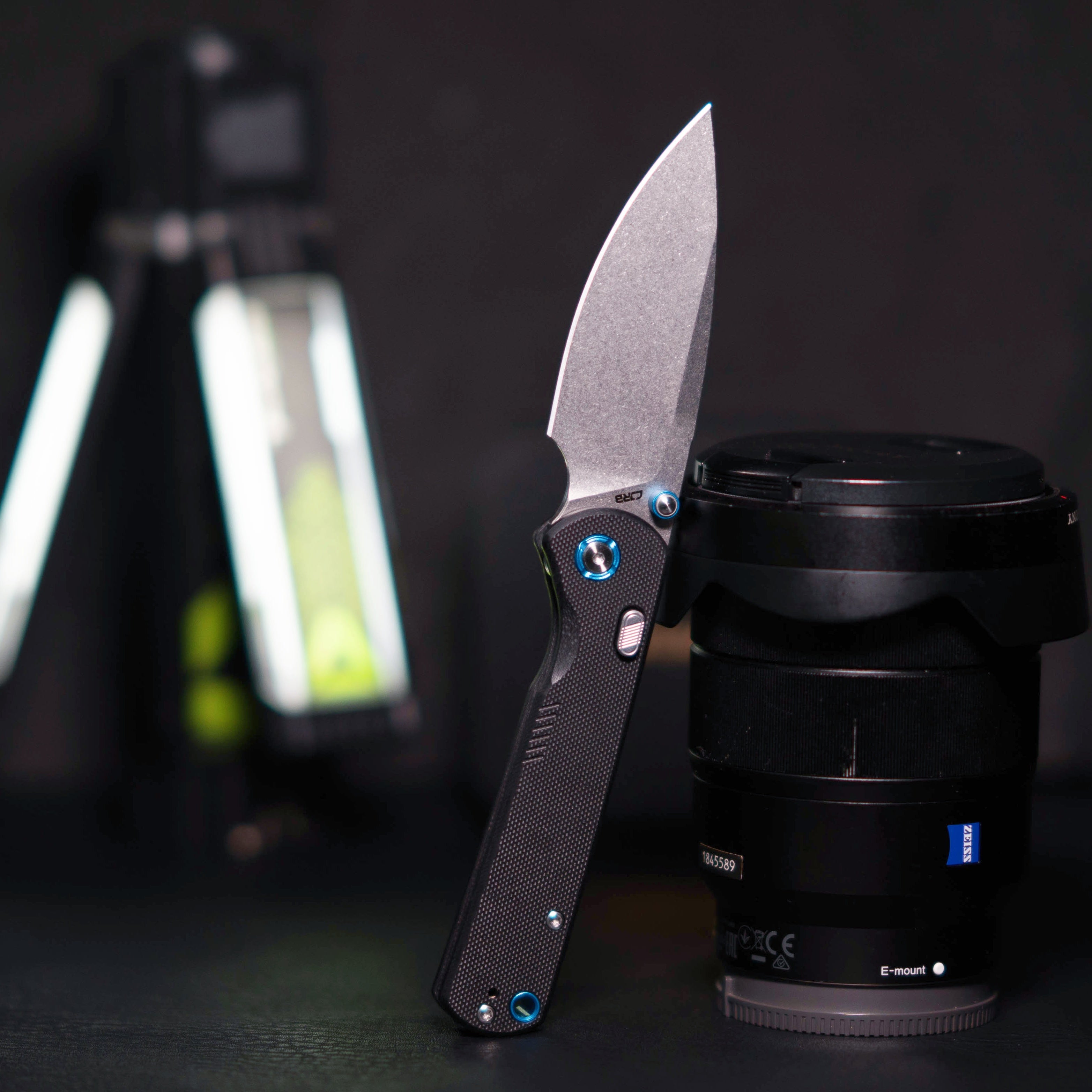
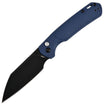
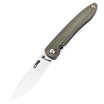
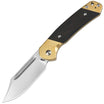
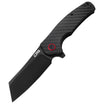
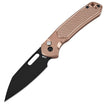
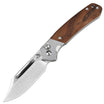
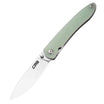
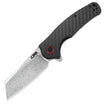
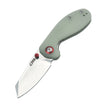
If you look at the CJRB Large Pyrite-ALT, it is officially listed as Sand Polish. It features those distinct, fine directional lines that give it a beautiful, bright look.

What Is a Stonewashed Blade?
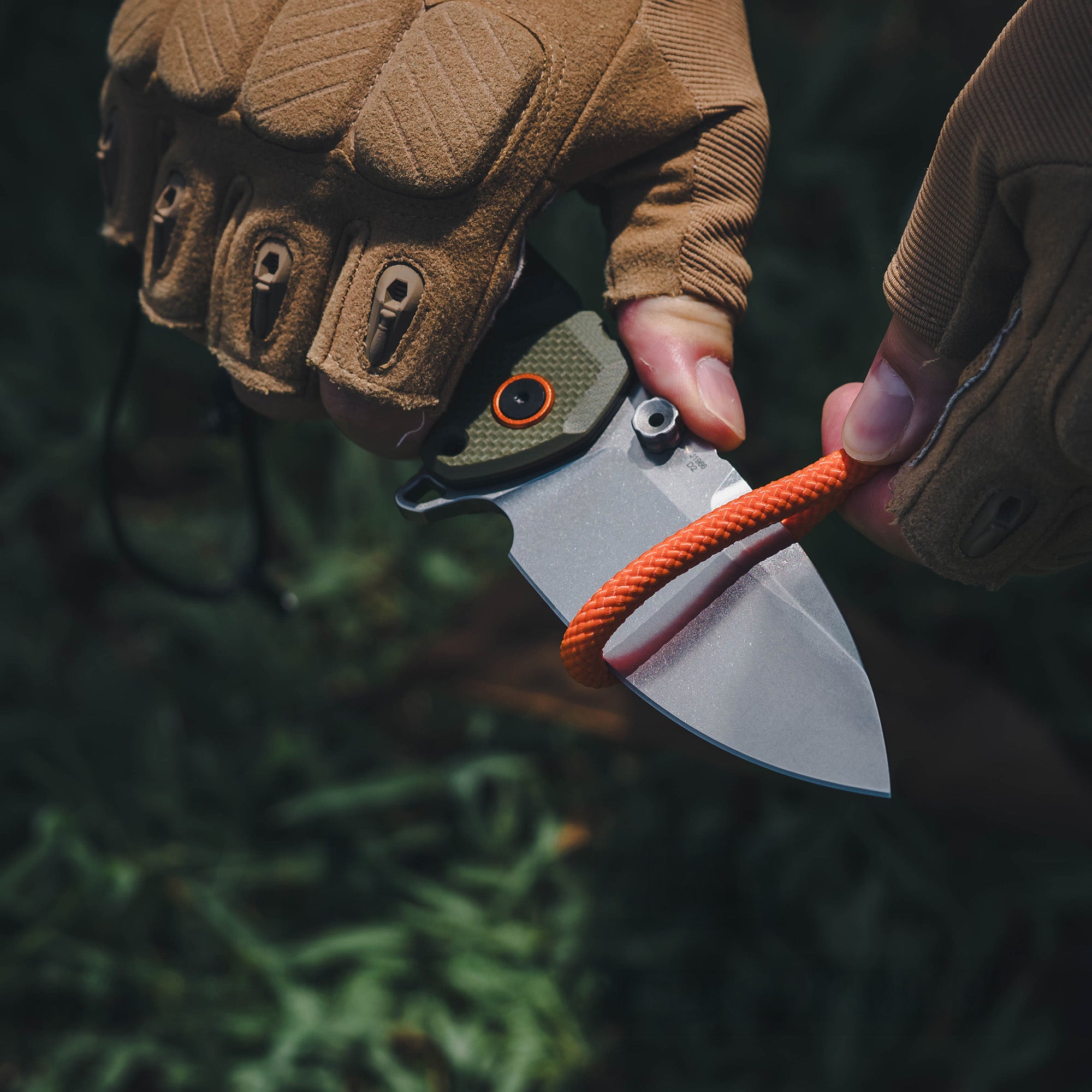
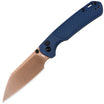
So, what exactly is a stonewashed blade? Manufacturers place the steel into a tumbler filled with ceramic pebbles (the "stones"). The resulting friction creates a heavily scratched, matte, broken-in look. Because the factory already scuffed it up, any new scratches you add just blend right into the pattern.
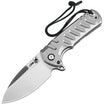
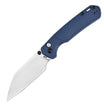
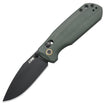
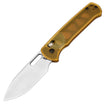
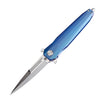
This makes it incredibly forgiving. Take the Artisan Cutlery Mousebird for example. Its CPM S35VN stone wash blade is perfect for actual hard work because you won't stress over a little cosmetic damage.

Pros of Stonewashed Blades
- Brilliantly hides daily scratches and scuffs.
- Very low glare, making it great for outdoor use.
- Hides fingerprints almost completely.
- Looks consistently good, even after years of abuse.
Cons of Stonewashed Blades
- Lacks the bright, refined pop of a polished blade.
- Can mask the sharp grind lines of a custom blade profile.
- Not rust-proof; still requires basic oiling and care.
What Is a Satin / Sand Polish Blade?
A Satin or Sand Polish blade is achieved by sanding the metal in a single direction. This creates a clean, lightly reflective surface with visible linear grain. It's the most traditional look for a pocket knife.
It's beautiful, but there's a catch. Because the grain is so uniform, any accidental cross-scratch will stand out immediately. If you are extremely particular about keeping your gear pristine, you'll be wiping this blade down constantly.
What Is Black PVD Coating?
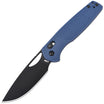
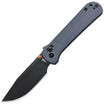
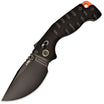
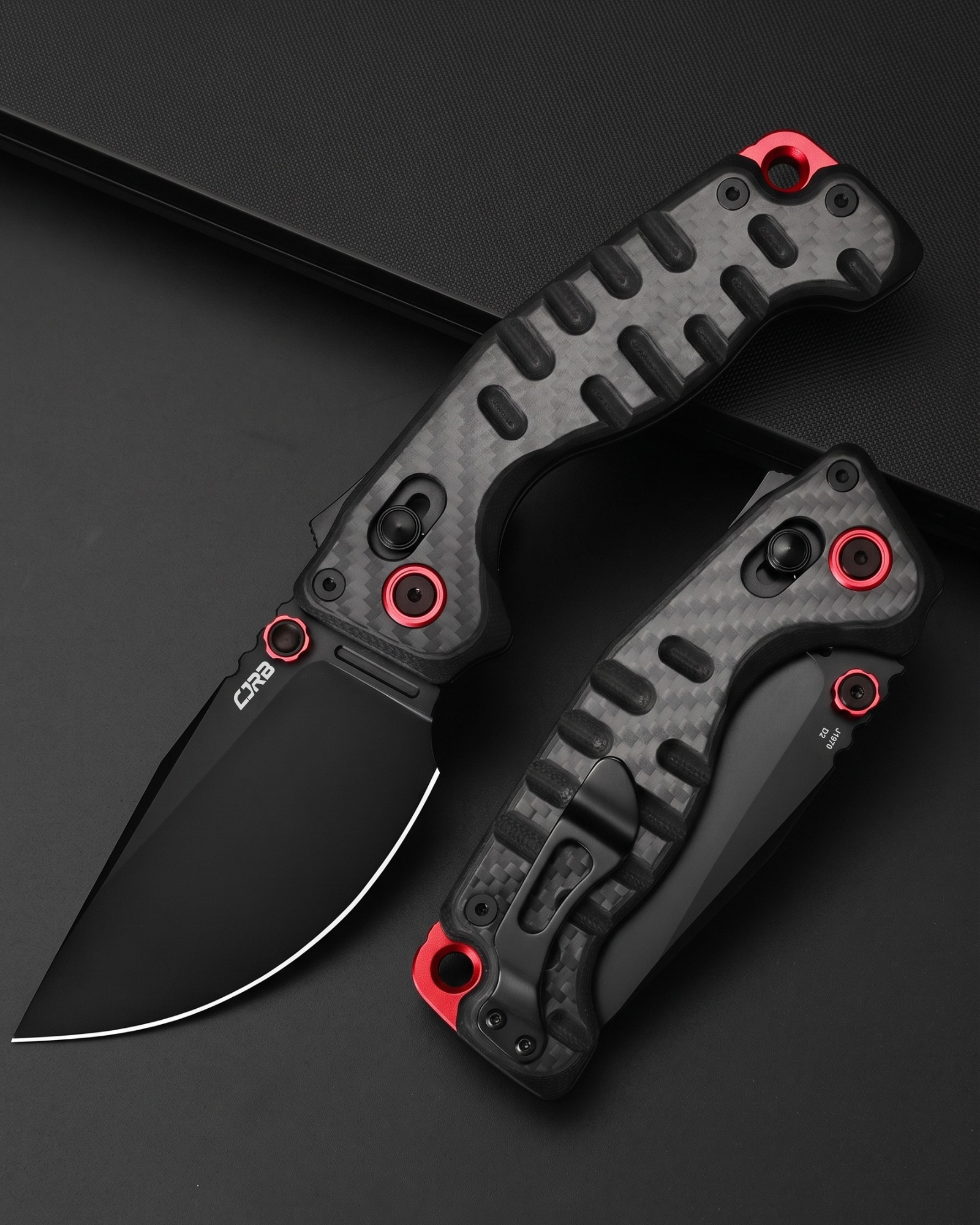
PVD stands for Physical Vapor Deposition. According to industry definitions, it is a vacuum coating process that vaporizes a solid material and condenses it onto the steel. This isn't just paint; it bonds at a molecular level to create a dark, tactical, low-glare surface.
But does black PVD coating wear off? I prefer to be completely transparent here: yes. While PVD adds genuine corrosion and scratch resistance, heavy cutting through thick materials (like cardboard or wood) will eventually smooth out and wear through the coating, revealing the raw steel underneath.
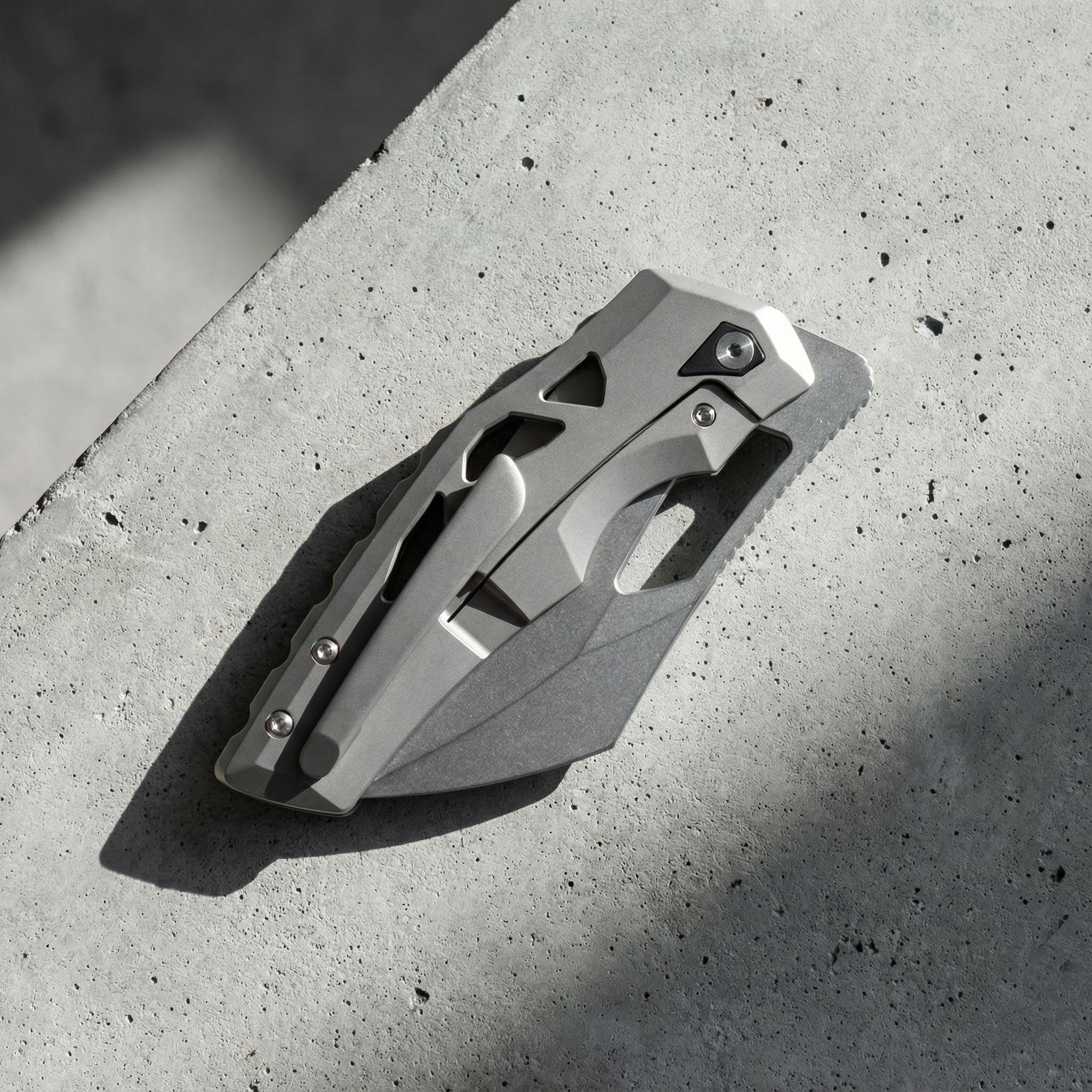
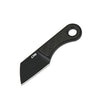
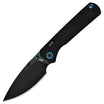
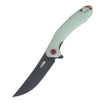
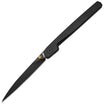
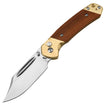
When done right, like on the CJRB Doubletap, a Black PVD coating looks incredibly sleek and aggressive.

- Incredible dark tactical aesthetic
- Effectively eliminates glare
- Adds a real layer of surface protection
- Coating will show wear with hard use
- Scratches through the coating are very visible
Stonewashed vs Black PVD & Satin: Head-to-Head
When evaluating stonewashed vs black PVD, it boils down to how you handle wear. Stonewashed hides wear beautifully because new marks just become part of the existing chaotic texture. Black PVD physically protects the steel better initially, but once that coating is breached, the silver scratch against the black background is glaringly obvious.
Comparing Satin to Black PVD? Satin looks cleaner when fresh out of the box. It fits the classic pocket knife vibe perfectly. However, Black PVD is the go-to for modern, tactical applications where light reflection is a liability.
Which Knife Blade Finish Hides Scratches Best?
Without a doubt, Stonewashed takes the crown here. In my years of carrying various tools, nothing masks daily abuse like a heavy tumble finish.
Does Blade Finish Affect Rust Resistance?
This is a major point of confusion. The finish itself does not prevent rust—the underlying steel composition does. That said, Black PVD does provide a physical barrier against moisture. Wherever the coating remains intact, rust cannot easily form.
Stonewashed and Satin finishes offer no such barrier. You still need to wipe down your blade after cutting food or sweating through your pockets. A light coat of mineral oil goes a long way.
Best Blade Finish for EDC Knives
So, what is the best blade finish for EDC knife users? It depends entirely on your daily routine.
- For the heavy user: Stonewashed. It requires the least anxiety.
- For the office worker: Satin / Sand Polish. It looks professional and non-threatening.
- For the tactical enthusiast: Black PVD. It minimizes glare and looks incredibly sharp against colored handles.
Quick Comparison Table: Stonewashed vs Satin vs Black PVD
| Feature | Stonewashed | Satin / Sand Polish | Black PVD |
|---|---|---|---|
| Appearance | Rugged, Matte | Clean, Directional lines | Dark, Tactical |
| Hides Scratches? | Yes (Best) | No | No (If scratched deep) |
| Glare Level | Very Low | High | Zero / Low |
| Best Use Case | Hard work, Outdoors | Light EDC, Office carry | Tactical, Modern EDC |
Expert Opinions & How to Choose the Right Blade Finish
Industry experts generally agree that you shouldn't buy a knife based solely on the finish. According to metallurgists, edge geometry and steel type dictate 90% of your cutting performance. The finish is about maintenance and visual appeal.
My advice? Match the finish to your personality. If you hate seeing scratches on your gear, buy a stonewashed blade. If you obsess over wiping your knife down until it shines, Satin is incredibly satisfying. If you love the "blacked-out" look and don't mind a bit of honest wear showing over time, grab the PVD.
FAQ
Is satin finish the same as sand polish?
Generally, yes. Sand polish is the factory terminology for the abrasive process that results in what buyers commonly call a satin finish.
Does Black PVD coating wear off?
Yes, over time. Friction from cutting dense materials like cardboard or plastic will eventually smooth out and wear through the PVD layer.
Which blade finish hides scratches best?
Stonewashed is by far the best at hiding scratches, as the tumbling process pre-scratches the blade in a random, matte pattern.
Does Black PVD prevent rust?
It adds a highly resilient barrier that resists moisture, but it only protects the areas it covers. The sharpened edge and any scratched areas can still rust.
Does blade finish affect sharpness?
No. Sharpness is determined by the blade's final grind, edge angle, and the underlying steel, not the side surface finish.
Final Thoughts
There isn't a single "perfect" option that wins every category. Stonewashed remains the absolute king of low-maintenance utility. Satin brings an undeniable classic charm that looks right at home anywhere. Black PVD delivers modern protection with an aggressive edge.
Stop stressing over keeping a tool perfectly pristine. Pick the finish that makes you want to actually put the knife in your pocket and use it.




Leave a comment
All comments are moderated before being published.
This site is protected by hCaptcha and the hCaptcha Privacy Policy and Terms of Service apply.