


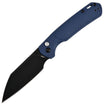
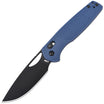
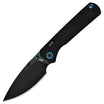
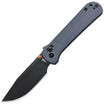
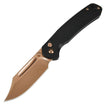
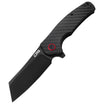
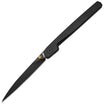
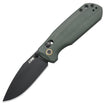
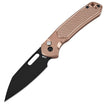
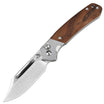
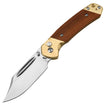
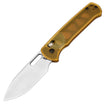
We have all been there. The doorbell rings. A package arrives—perhaps it is that new gadget you have been waiting for, or a resupply of household essentials. You stand in your entryway, box in hand, and you look around. You check the kitchen drawer for scissors (which are inevitably missing). You check your pocket for keys (which are dull and damage the tape). Finally, you resort to the barbaric method of ripping the cardboard with your bare hands.
There is a better way. This is the realm of the EDC box knife—the everyday carry tool that transforms a mundane task into a moment of satisfying precision. But in 2026, an EDC knife is more than just a box opener. It is a statement of preparedness, a tool of convenience, and for many, a piece of functional art.
Whether you are a college student on a strict budget, a tradesperson needing a heavy-duty workhorse, or a collector looking for titanium perfection, there is a blade designed exactly for your needs. In this ultimate buying guide, we will journey through the anatomy of the perfect carry knife, dissect the mechanisms that keep you safe, and categorize the best options available today, ranging from affordable essentials to high-end masterpieces.

The Anatomy of a Box Slayer: What Matters?
Before we dive into specific models and price brackets, we must understand the mechanics of what makes a knife excellent for the specific task of breaking down boxes and managing daily cutting chores. Not all blades are created equal.
Blade Geometry and Shape
When your primary enemy is corrugated cardboard, blade shape dictates performance. Cardboard is surprisingly abrasive and tough. You need a geometry that offers a controllable tip and a slice-happy belly.
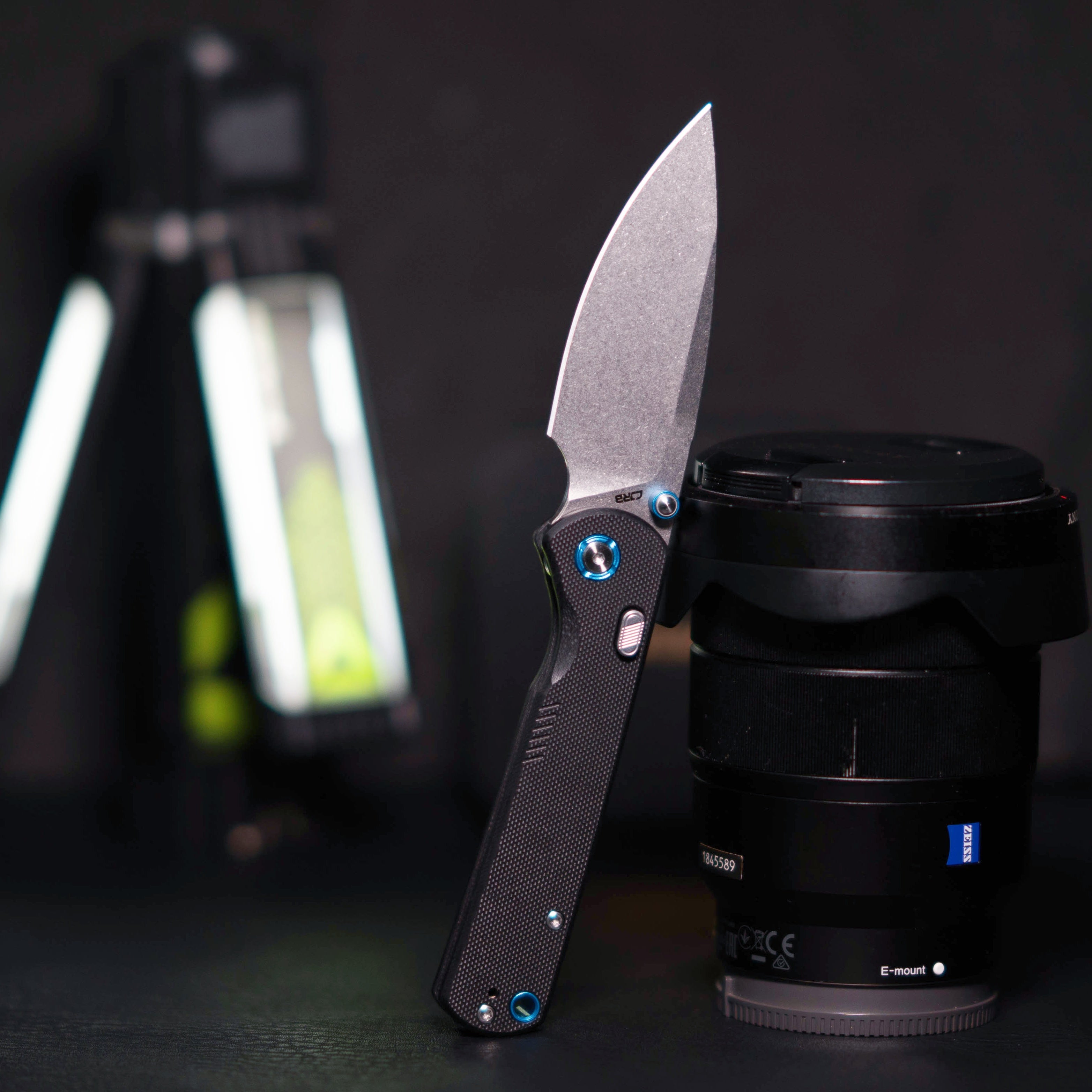
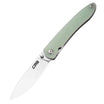
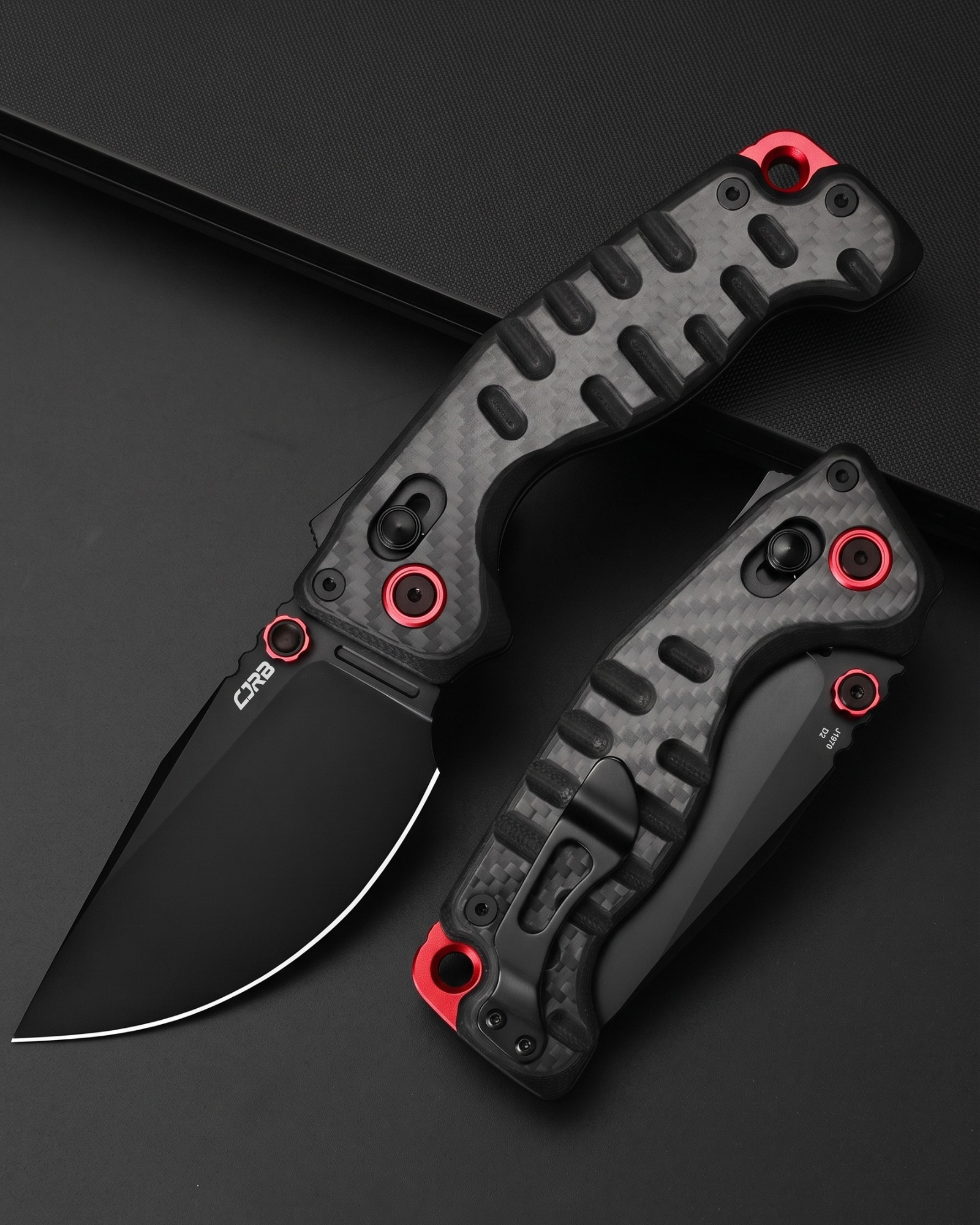
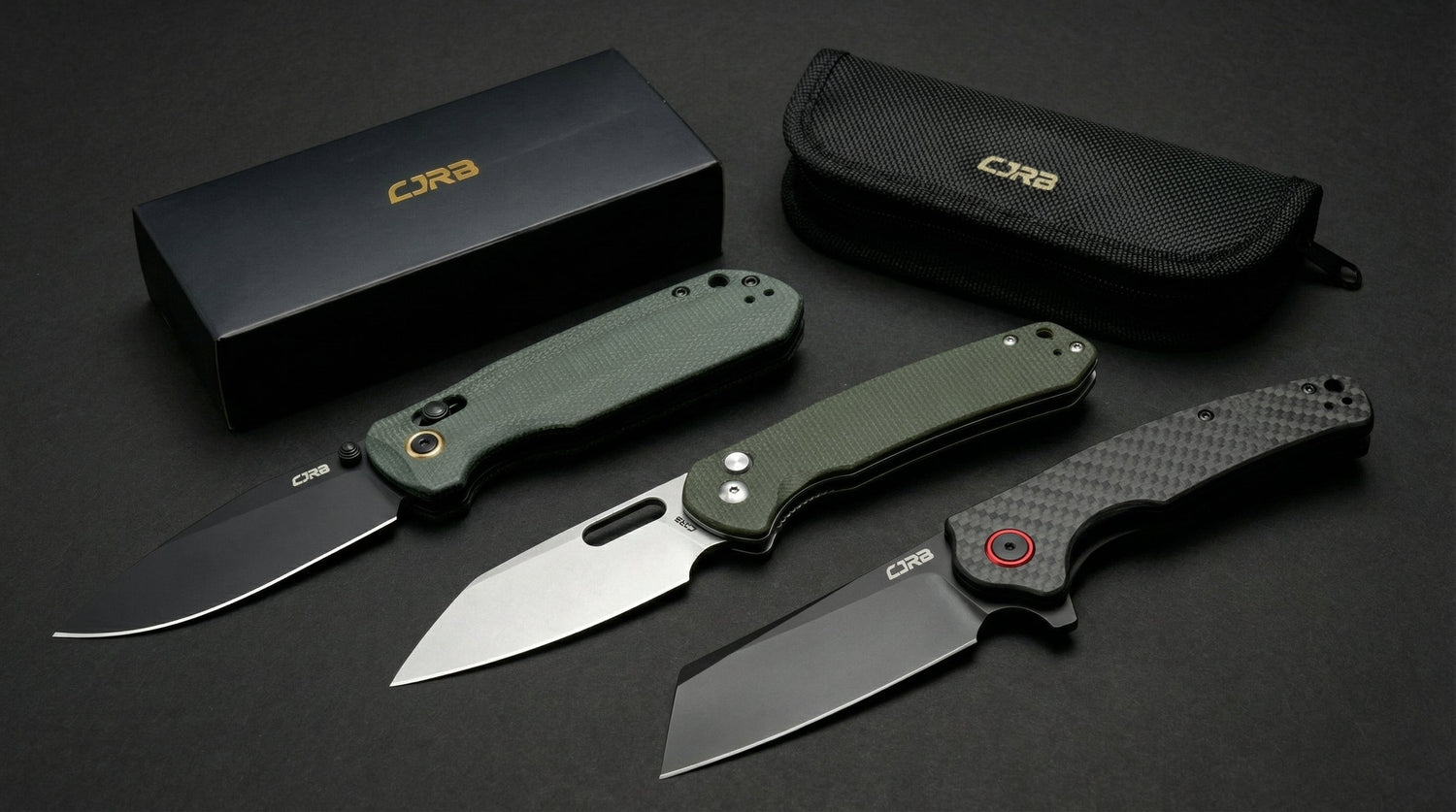
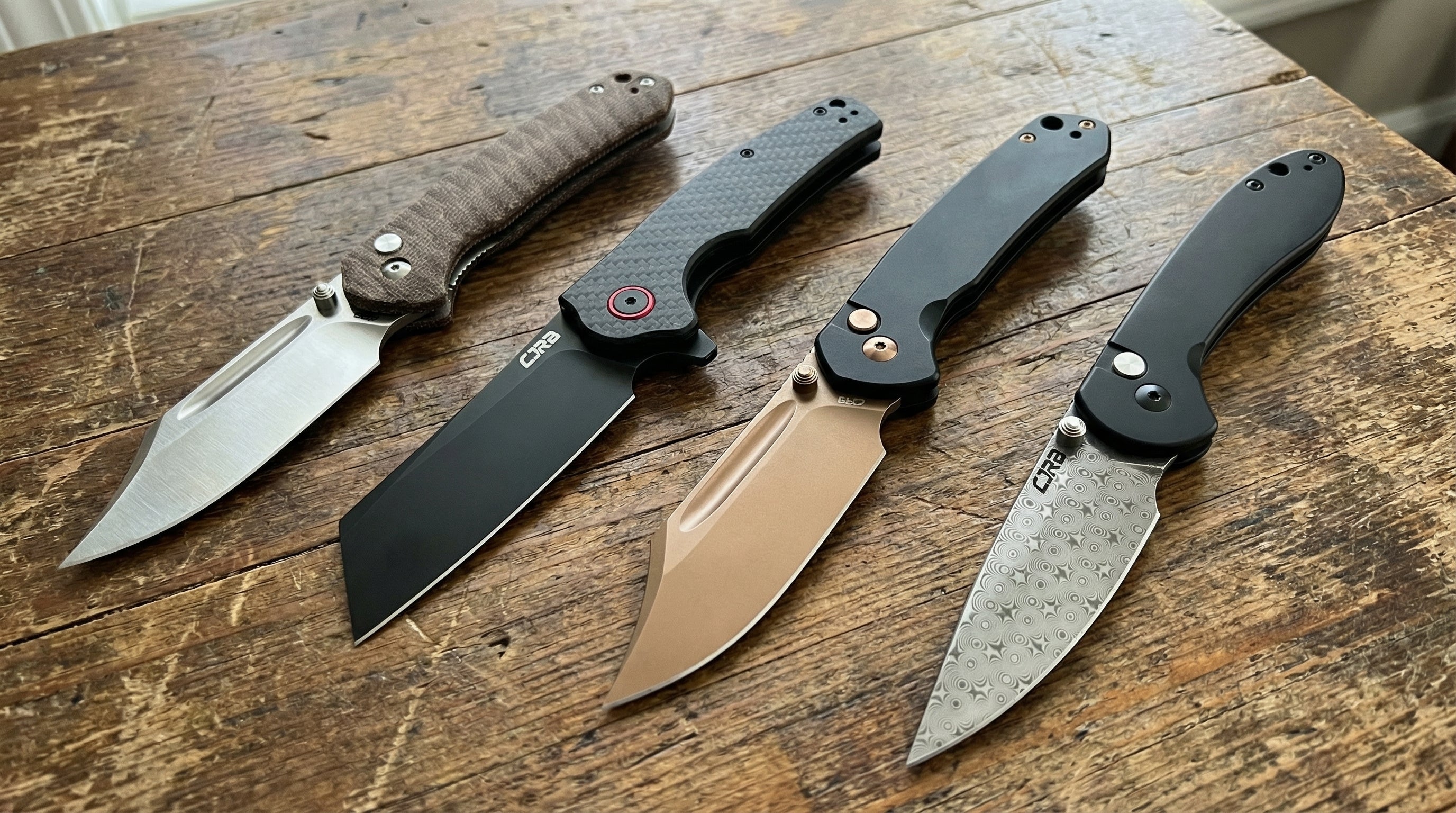
- Drop Point: The jack-of-all-trades. The spine slopes down to the tip. It is robust and easy to control. The CJRB Pyrite is a classic example of this. It offers enough belly for slicing but a sharp enough point for piercing tape.
- Wharncliffe / Sheepsfoot: These are arguably the kings of the "box knife" world. The edge is straight (or nearly straight), and the spine curves down to meet it. This keeps the tip lower, meaning you do not have to lift your wrist as high to engage the point. This maximizes control and safety.
- Cleaver Style: A variation of the Sheepsfoot, looking like a mini butcher's cleaver. It puts more weight forward and usually features a high flat grind, making it an incredible slicer for thick materials.
The Lock Mechanism
Safety is paramount. When you are exerting force to cut through double-walled cardboard, you need to know the blade will not close on your fingers.
- Button Lock: Rapidly becoming the favorite for EDC enthusiasts. It allows for one-handed opening and closing without putting your fingers in the blade path.
- Crossbar Lock: Extremely strong and completely ambidextrous. It uses a bar that slides across the tang of the blade.
- Liner Lock: The traditional standard. A leaf of the liner slides behind the blade tang. Simple, reliable, and keeps the profile slim.

The Budget-Friendly Warriors ($30 - $50)
You do not need to spend a fortune to get a high-performance tool. The budget category has evolved tremendously. Gone are the days of cheap gas station knives. Today, the $30 to $50 range offers proprietary steels and CNC-machined handles.
The Heavy Hitter: CJRB Crag
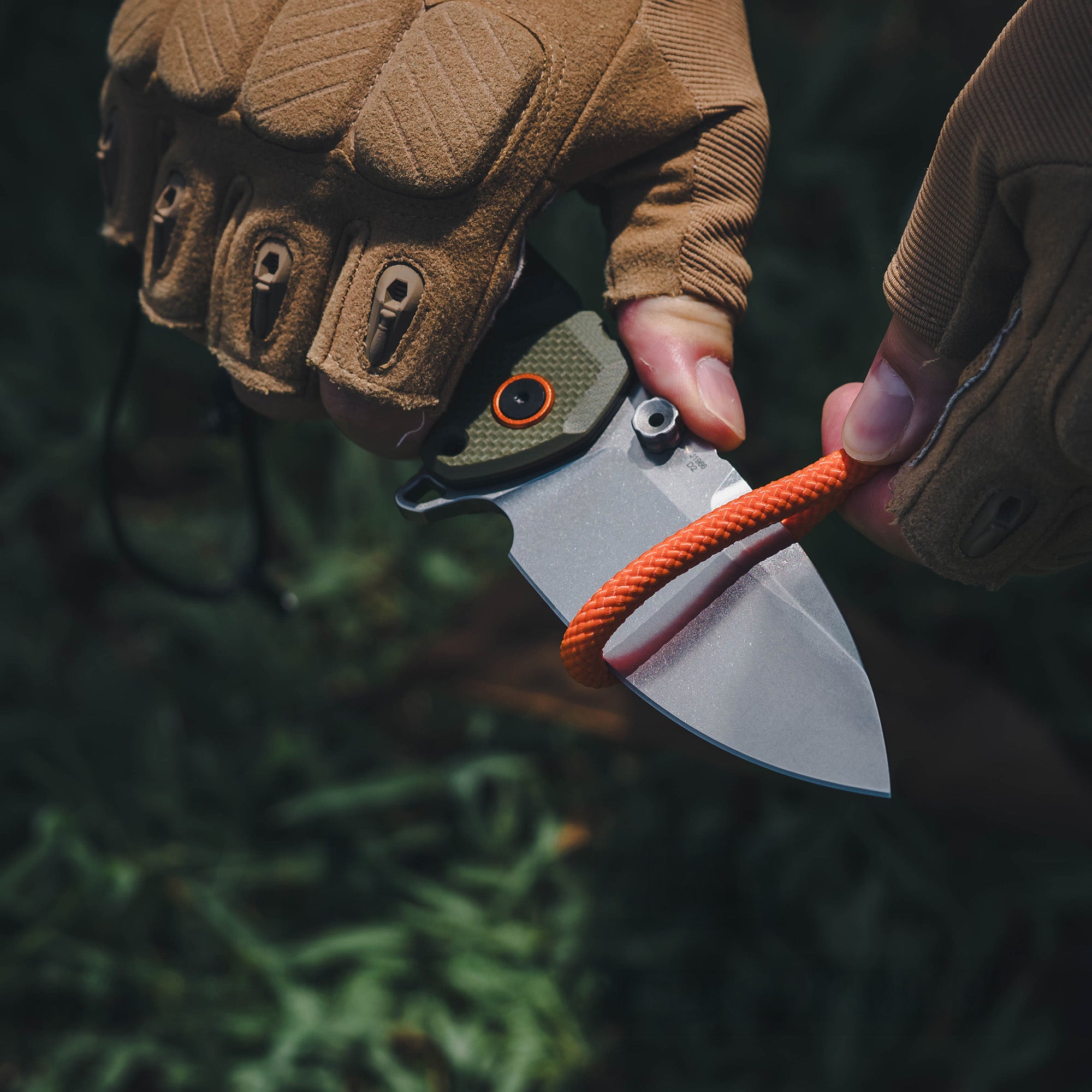
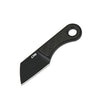
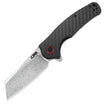
If your daily routine involves breaking down heavy appliance boxes or cutting tough zip ties, you need mass. The CJRB Crag is a beast in a budget package. It features a "Modified Sheepsfoot" or Cleaver-style blade.
Why it excels as an EDC box knife: The Crag provides a massive cutting surface. The flat grind on the wide blade allows it to move through cardboard with less resistance than a thicker wedge would. The ergonomic finger groove ensures that even if your hands are sweaty or you are wearing gloves, the knife stays locked in your grip.
| Feature | CJRB Crag Specification | Benefit |
|---|---|---|
| Blade Style | Modified Sheepsfoot | Excellent tip control for draw cuts. |
| Blade Length | 3.43 inches | Long enough for wide boxes, short enough for pocket carry. |
| Steel | AR-RPM9 | High corrosion resistance and easy to sharpen. |
The Tactician: CJRB Gobi
For those who prefer something sleeker and pointier, the CJRB Gobi offers a trailing point design influenced by traditional desert blades. While the Crag is a hammer, the Gobi is a scalpel. The upswept blade offers a tremendous amount of "belly," which is the curved part of the blade that actually does the slicing as you pull back.
The Gold Standard: The Pyrite Series ($50 - $80)
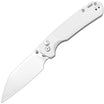
If you ask any community of knife enthusiasts what the "perfect" budget-to-mid-range EDC knife is right now, the name "Pyrite" will be shouted from the rooftops. This series has redefined what users expect from a $50 tool. It is the quintessential edc box knife.
Why the Pyrite Dominates
The CJRB Pyrite (specifically the G10 or Steel handle versions) hits the sweet spot of size, weight, and fidget-factor. It utilizes a Button Lock mechanism. This means you can press a button to swing the blade open and press it again to swing it shut. It is addictive, but more importantly, it is safe because your fingers never cross the sharp edge.
Key Variations in this Tier:
- Steel Handle: Offers a reassuring heft and extreme durability.
- G10 Handle: Lighter weight and offers more texture for grip.
- Blade Steel: Both utilize AR-RPM9, a proprietary steel developed to solve the issue of rusting in budget knives while maintaining a razor edge.
Using the Pyrite to open a package feels like using a surgical instrument. The drop point is precise, allowing you to snip a single layer of tape without damaging the contents of the box.
The Adaptable Choice: The Maximal ($50 - $60)
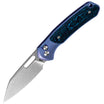
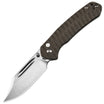
Competition breeds innovation. The CJRB Maximal is designed by David C. Andersen and introduces the Crossbar Lock to the lineup. If you are left-handed, this is your hero.
Crossbar Lock Advantage
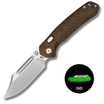
The Crossbar Lock is accessible from both sides of the handle. It is incredibly strong, capable of withstanding significant negative pressure. The Maximal pairs this lock with a variety of handle materials, including Micarta (which feels like fabric and improves grip when wet) and Copper.
Material Spotlight: Copper vs. Micarta
|
Micarta Handle (CJRB Maximal) Lightweight (2.82 oz). Warm to the touch. Provides excellent traction. Best for users who carry their knife in gym shorts or light trousers. |
Copper Handle (CJRB Maximal) Heavyweight (5.54 oz). Develops a unique patina over time. Feels substantial and premium. Best for users who appreciate tools that age with them. |

The Gentleman’s Carry: Office Friendly ($50 - $70)
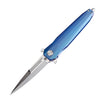
Sometimes, pulling out a large tactical blade in an office environment can raise eyebrows. For the boardroom or the coffee shop, you need discretion and elegance. Enter the CJRB Lanky.
Designed by Jake Diaz, the Lanky is deceptively named. It is slim, resembling a high-end pen when clipped in a pocket. However, it deploys a 3.58-inch Wharncliffe blade. As mentioned earlier, the Wharncliffe is a superior shape for utility cuts. The straight edge applies equal pressure along the entire cut, making it arguably the most efficient envelope and box opener on this list.
The Bolt: Innovative Locking
Another contender in the sleek category is the CJRB Bolt. It features the Recoil Lock V2, another ambidextrous mechanism that is fun to use and incredibly secure. The G10 handle ensures it stays light (under 2.7 oz), making it disappear in your pocket until needed.
The Premium Tier: Titanium and S90V ($100 - $200)
For the connoisseur, "good enough" is not enough. This tier is for the user who appreciates the finer details of metallurgy and machining. We are moving away from standard steels into the realm of high-performance super-steels like S90V and S35VN.
Why Upgrade to S90V?
CPM S90V is a vanadium-rich martensitic stainless steel. In plain English: it holds an edge for an incredibly long time. While AR-RPM9 is excellent for general use, S90V is for the user who wants to cut down 500 boxes and still shave hair off their arm. The CJRB Maximal (Titanium/S90V) represents this leap in performance.
Similarly, the CJRB Bolt (Titanium/S90V) takes the lightweight office carrier and gives it a suit of armor. Titanium handles are warm, lightweight, rust-proof, and incredibly strong.
The Tactical Premium: The Tundra
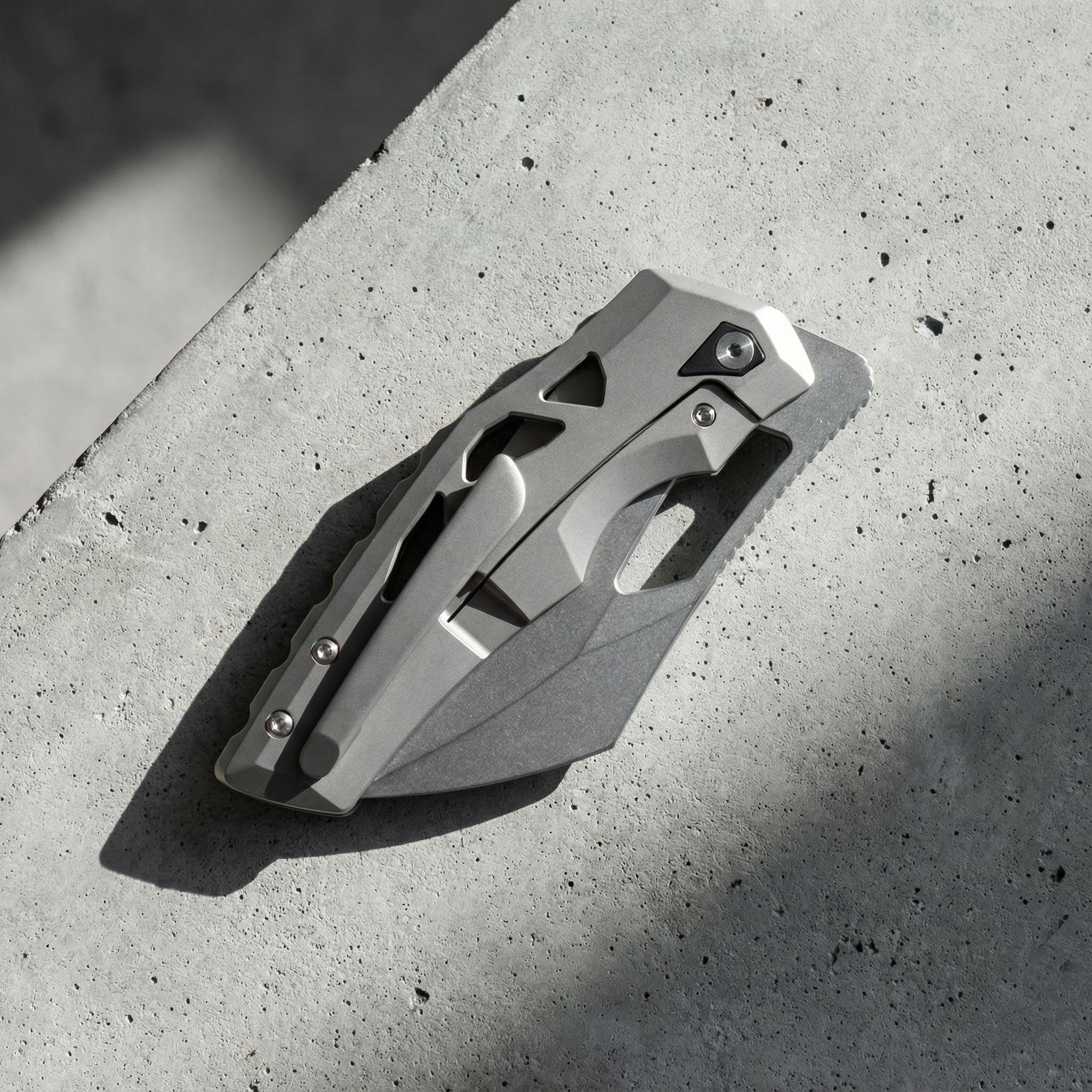
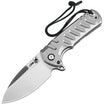
If you need a large, frame-lock folding knife that can handle survival tasks as well as box cutting, the CJRB Tundra is the answer. With a 3.78-inch blade made of S35VN (a tough, well-rounded premium steel), this knife includes a secondary locking pin for absolute safety during hard use.
The Collector’s Dream: Luxury Meets Utility ($200+)
Finally, we arrive at the summit. These are knives that function perfectly as tools but are finished like jewelry. They are often Limited Editions, featuring exotic inlays and intricate machining.
The CJRB Galactic Pyrite is a prime example. It features S90V steel, but the handle is the star: Titanium with Titanium Damascus inlays. It is a fusion of modern technology and old-world aesthetic. Similarly, the "Full Dress" CJRB Pyrite Limited Edition with gold flake carbon fiber and Damascus blade is a showstopper.
Is it worth it? If you view your EDC as an accessory—like a fine watch—then absolutely. It cuts boxes just as well as the standard Pyrite, but it brings a smile to your face every time the light hits the gold flake.

Step-by-Step: Choosing Your Companion
With so many options, how do you pick? Use this simple decision matrix to find your perfect edc box knife.
The Decision Workflow
-
1 Determine Your Environment:
Are you in an office? Go for the Lanky or Bolt.
Are you on a job site? Go for the Crag or Tundra.
Are you everywhere? Go for the Pyrite. -
2 Choose Your Lock:
Do you want maximum fidget factor? Button Lock (Pyrite).
Do you want ambidextrous strength? Crossbar Lock (Maximal). -
3 Select Your Steel:
General use and ease of sharpening? AR-RPM9.
Maximum edge retention? S90V.
Style points? Damascus.
Maintenance: Keeping the Edge Alive
An EDC box knife is only good if it is sharp. Cardboard is notorious for dulling edges because it often contains clay binders and recycled particulates that act like sandpaper on steel.
- Stropping: After opening a few boxes, run the blade backward over a leather strop. This realigns the edge and keeps it razor-sharp without removing metal.
- Cleaning: Tape residue is the enemy. Use a little rubbing alcohol or WD-40 on a rag to wipe the blade clean after cutting packing tape. Sticky blades attract lint and dirt, which can gum up the pivot.
- Lubrication: A single drop of knife oil on the ceramic ball bearings of your CJRB knife will keep the action drop-shut smooth.
Conclusion: The Box is Just the Beginning
Choosing the right EDC box knife is about upgrading your daily interactions with the physical world. Whether you choose the rugged utility of the Crag, the refined versatility of the Pyrite, or the luxurious finish of a Titanium Maximal, you are investing in a tool that solves problems.
Stop struggling with keys. Stop hunting for scissors. Put a quality blade in your pocket, and be ready for whatever the day (or the mail carrier) brings.
Frequently Asked Questions (FAQ)
What is the best blade shape for opening boxes?
While almost any sharp knife can open a box, the Wharncliffe and Sheepsfoot blade shapes are generally considered the best for this specific task. These shapes feature a straight edge and a tip that drops low. This geometry allows you to use the very tip of the knife to slice through tape without angling the handle high in the air, providing better ergonomics and reducing the risk of the tip slipping out of the cut or damaging the contents inside the package. The CJRB Crag and Lanky are excellent examples of this design philosophy.
Why is AR-RPM9 steel used so frequently in these knives?
AR-RPM9 is a proprietary steel composition exclusive to CJRB and ArtisanCutlery. It was developed to bridge the gap between budget steels (which often lack edge retention) and high-end steels (which can be expensive and hard to sharpen). AR-RPM9 offers a unique fine-grain structure that provides excellent corrosion resistance—crucial for a pocket knife that might get sweaty—while holding a sharp edge significantly longer than standard budget steels like 8Cr13MoV. It is the "Goldilocks" steel for everyday carry.
Are button lock knives safe for heavy duty work?
Yes, modern button lock knives, particularly those from reputable manufacturers like CJRB, are very safe. The mechanism involves a plunge lock that fits into a cutout in the blade tang. When the knife is open, the solid steel cylinder of the button blocks the blade from closing. In models like the Pyrite, this lockup is tested to withstand significant force. However, for extremely abusive tasks (like batoning wood), a fixed blade or a heavy-duty frame lock (like the Tundra) might be technically superior, but for general EDC and box cutting, a button lock is more than strong enough.
What is the difference between G10 and Micarta handles?
Both G10 and Micarta are composite materials used for knife handles, but they feel very different. G10 is a fiberglass laminate that is extremely hard, durable, and generally impervious to moisture and chemicals. It can be texturized to be very grippy. Micarta is made from layers of fabric (linen, canvas, or paper) soaked in resin. It tends to have a warmer, softer feel in the hand and often provides better grip when your hands are wet or sweaty, as the fibers can swell slightly to add traction. G10 is more tactical; Micarta is more rugged and "natural" feeling.
How often should I sharpen my EDC box knife?
This depends entirely on usage. If you are breaking down cardboard boxes every day, you might need to touch up the edge once a week. Cardboard is surprisingly abrasive. However, you do not need to do a full sharpening session on stones every time. Investing in a leather strop with some compound is usually sufficient to maintain the edge. If the knife starts tearing the paper/tape rather than slicing it cleanly, it is time to strop. If stropping doesn't restore the edge, then a full sharpening is required.


Leave a comment
All comments are moderated before being published.
This site is protected by hCaptcha and the hCaptcha Privacy Policy and Terms of Service apply.