

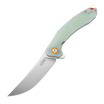
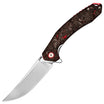
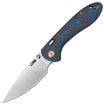
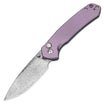

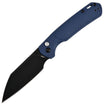
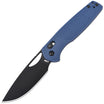
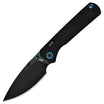
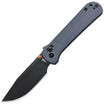
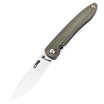
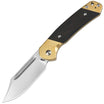
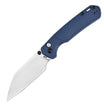
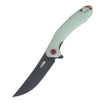
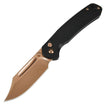
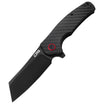
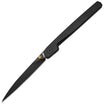
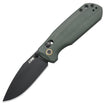
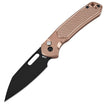
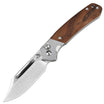
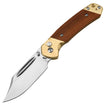
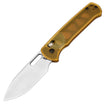
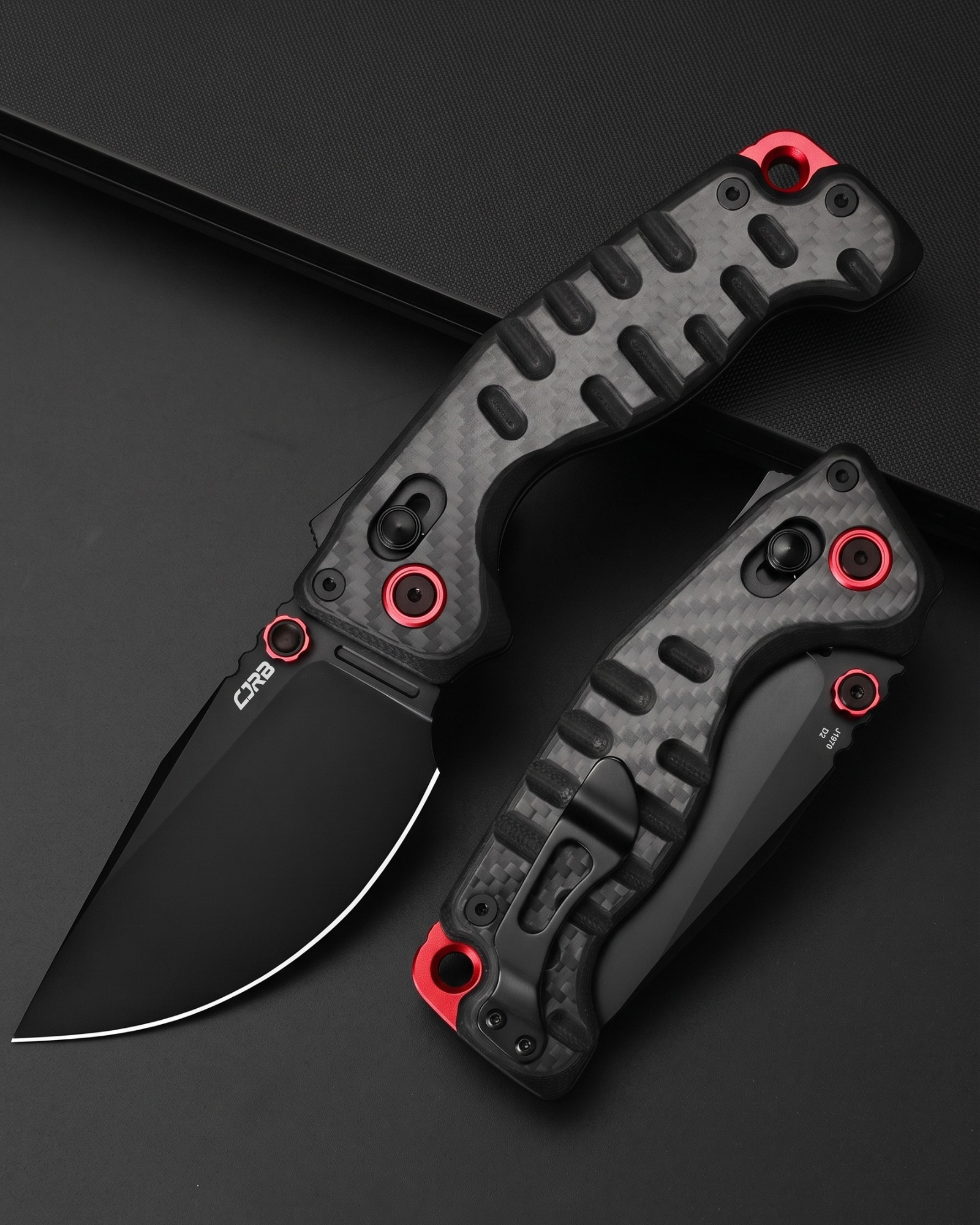

The best pocket knife for self defense is not just the most aggressive-looking blade. A practical defensive knife should be legal to carry, easy to control, secure in the hand, reliable under stress, and useful for normal everyday tasks. Before choosing one, check your local laws and think carefully about safety, training, and responsible carry.
When the conversation turns to the best fighting knife, the imagery often drifts toward cinematic combat scenarios or aggressive military hardware. However, for the average civilian, the reality of selecting a tool for self-defense is far more nuanced, grounded in legal responsibility, practical accessibility, and defensive philosophy. A knife intended for self-defense is not a magic talisman; it is a tool of last resort that requires a specific set of features to be effective and safe under extreme duress.
This ultimate buying guide will deconstruct the critical elements of a defensive blade. We will move beyond the hype to discuss deployment mechanics, steel composition, handle ergonomics, and the complex legal landscape that governs carrying a knife for protection. Whether you are an experienced EDC (Everyday Carry) enthusiast or someone looking for peace of mind, understanding these distinctions is vital.
1. The Philosophy of the Defensive Knife
Before diving into metallurgy and locking mechanisms, we must address the mindset. A self-defense knife is a tool used to create space and facilitate escape. It is not intended for "dueling." In a high-stress situation, fine motor skills degrade, vision tunnels, and adrenaline spikes. Therefore, the best fighting knife for a civilian is one that is simple to operate, failsafe, and legal to carry so that you actually have it on you when danger arises.
The "Grey Man" Concept
In the world of tactical preparedness, the "Grey Man" theory suggests that blending in is better than standing out. Carrying a massive, serrated Rambo-style knife might make you feel secure, but it also draws unwanted attention and can be a liability in a legal defense context. The modern approach favors the "gentleman’s tactical" or "low-profile EDC"—knives that look harmless but perform flawlessly when needed.
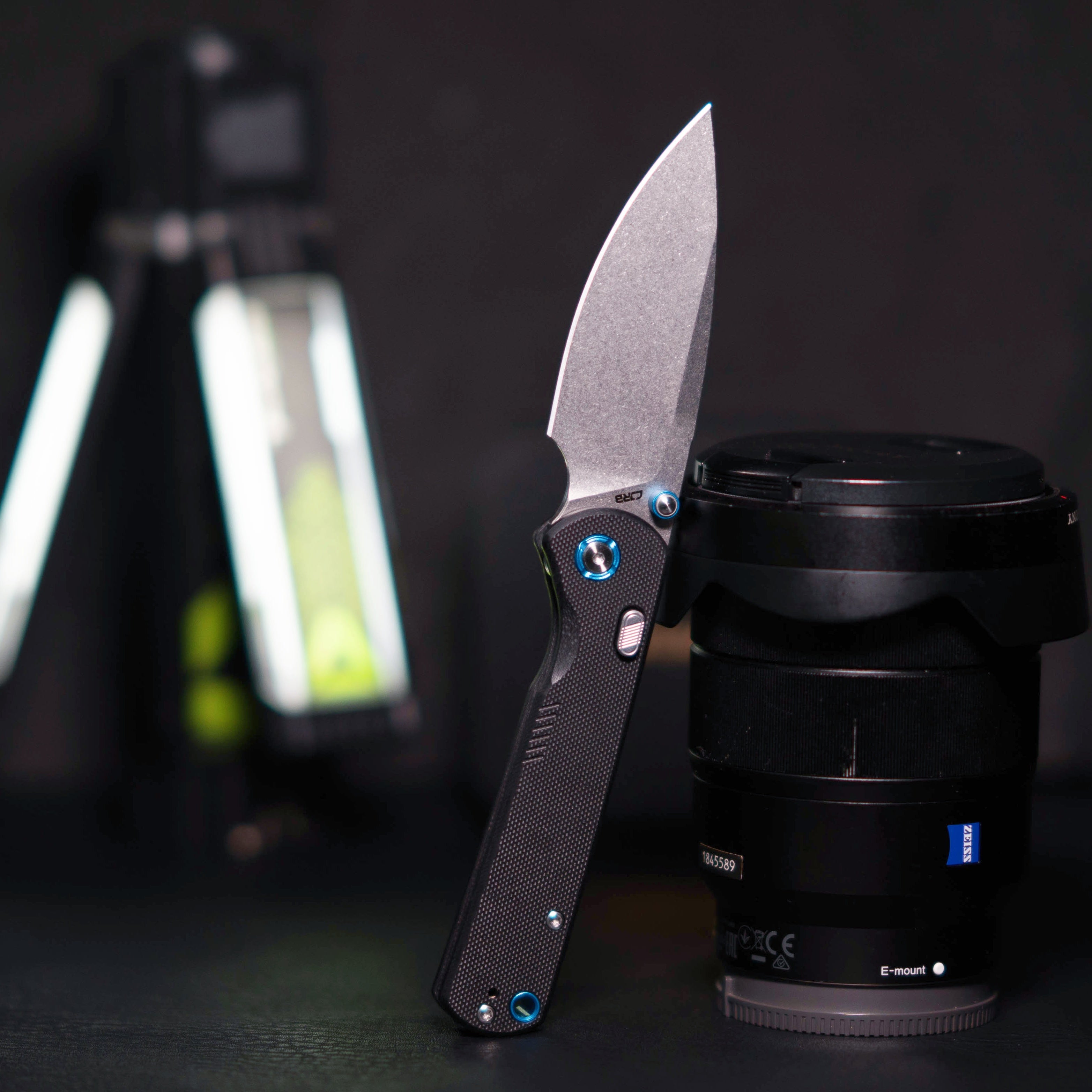
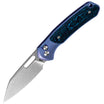
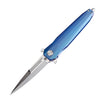
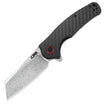
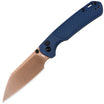
This is where the CJRB Pyrite Family shines. It perfectly embodies the Grey Man philosophy. The Pyrite features a button lock with ceramic bearings that allows for fast, one-handed opening while keeping your fingers clear of the blade path. This is ideal when discussing safe yet rapid deployment for defensive EDC. Its slim, neutral handle and AR-RPM9 blade give a controllable, slicey platform that carries discreetly. It can be framed as "low-profile EDC first, last-ditch self-defense backup," ensuring you aren't flagged as an aggressor simply for having it clipped to your pocket.
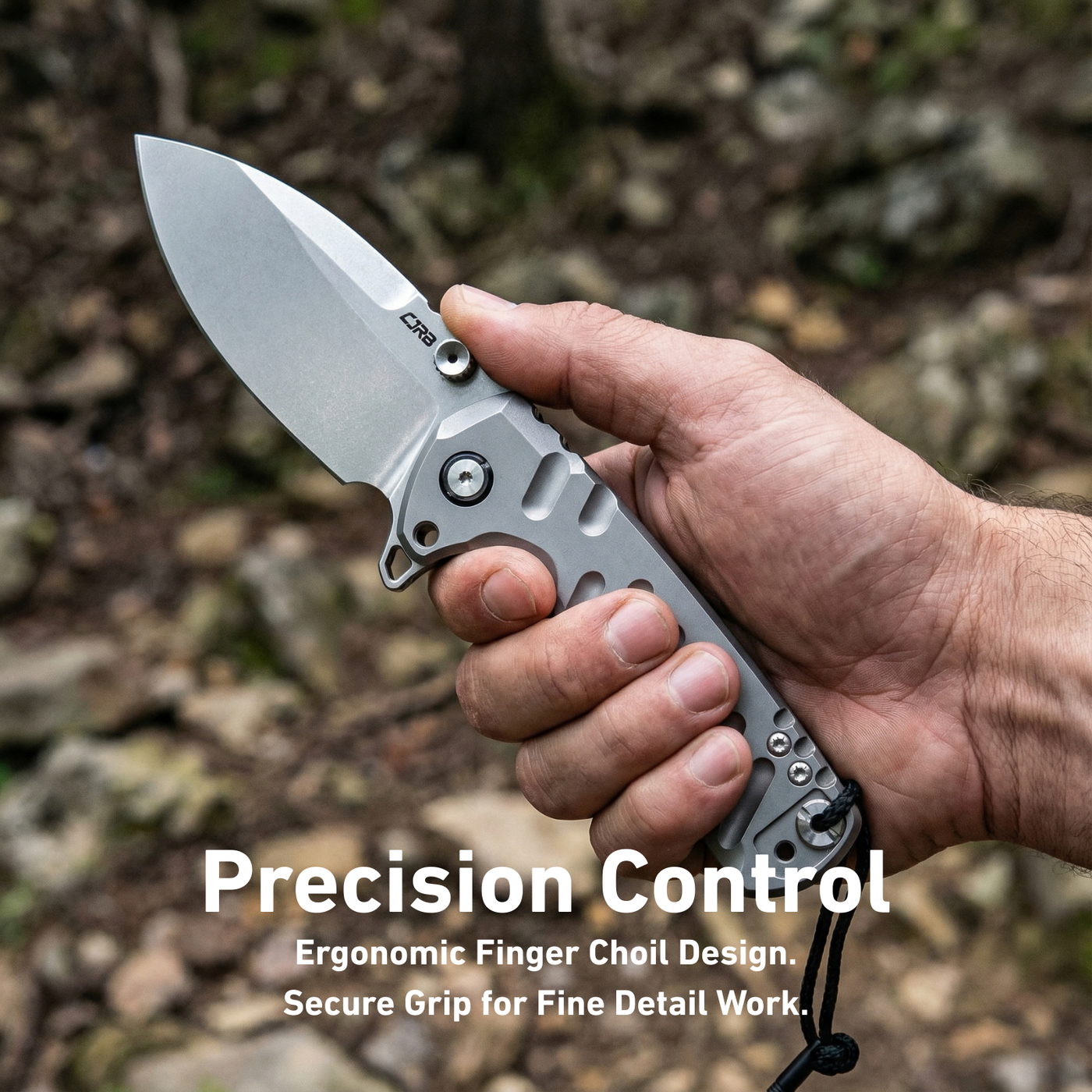
2. Critical Features: Anatomy of a Defensive Folder
To select the right tool, you must understand the sum of its parts. A defensive knife must be stronger and more reliable than a standard letter opener. Here is a breakdown of the essential components.
Deployment Mechanisms: Speed is Survival
In a crisis, you do not have time to fumble with a nail nick. You need immediate access. The most common and effective deployment methods include:
- Flipper Tabs: A protrusion on the blade allows you to flick the knife open with an index finger. It creates a natural guard (quillon) to protect your hand from sliding onto the blade.
- Thumb Studs: Simple and effective, though they require more practice to master under stress.
- Button Locks / Gravity: Pressing a button to swing the blade out is one of the fastest methods available and allows for easy closing.
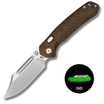
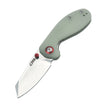
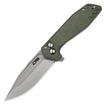
For those prioritizing accessibility and speed, the CJRB Lago is a prime example. Designed around accessibility, it combines a button lock, flipper tab, and smooth bearings so the blade can be brought into action quickly with one hand. With an 8″ overall length, secure G10 handle, and AR-RPM9 steel, the Lago gives enough reach and control to be a serious contender. This length is crucial when we talk about retention and how blade length intersects with local knife laws—it is big enough to work, but not so big it becomes unwieldy.
 Locking Mechanisms: Reliability Under Pressure
A folding knife that closes on your fingers during use is a liability. For defensive use, lock strength is non-negotiable. Below is a comparison of common lock types suitable for defensive carry.
| Lock Type | Strength Rating | Ambidextrous? | Ease of Closure |
|---|---|---|---|
| Liner Lock | Moderate/High | No (Usually Righty) | Requires putting thumb in blade path |
| Button Lock | High | Yes (Functionally) | Excellent (Keep fingers safe) |
| Crossbar Lock | Very High | Yes (Fully) | Excellent (Keep fingers safe) |
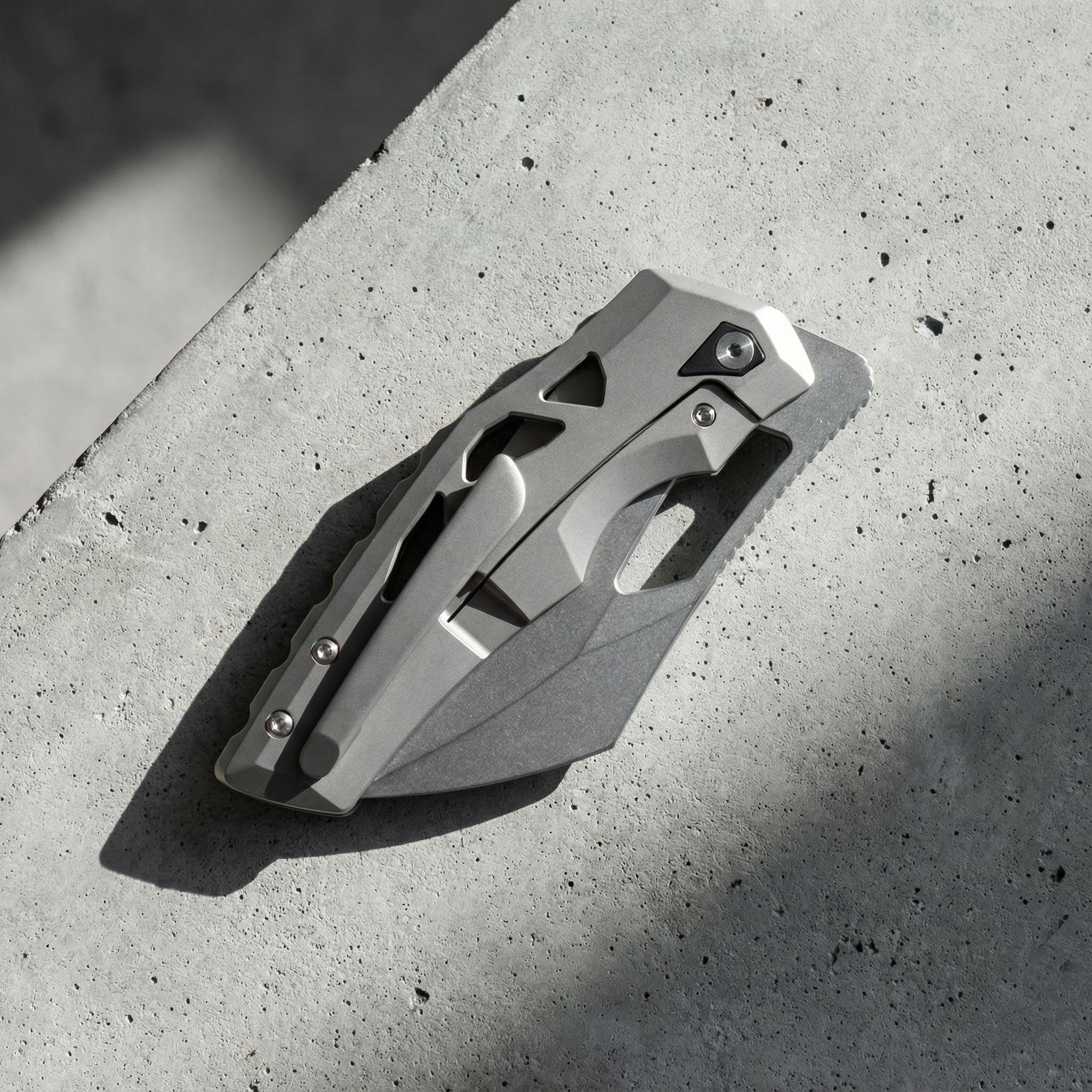
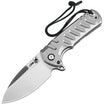
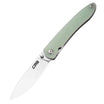
When discussing robust locking systems, the CJRB Maximal is a standout case study. It uses a crossbar lock with ambidextrous operation and finger-safe closing. This is critical because in a struggle, you may be forced to use your non-dominant hand. The Maximal features a ~2.95″ AR-RPM9 drop-point blade that balances piercing and slicing for close-range utility and defensive scenarios. Its deep-carry clip, compact footprint, and strong lock make it an excellent example of why many people prefer non-assisted, one-hand-opening folders for legal self-defense carry.
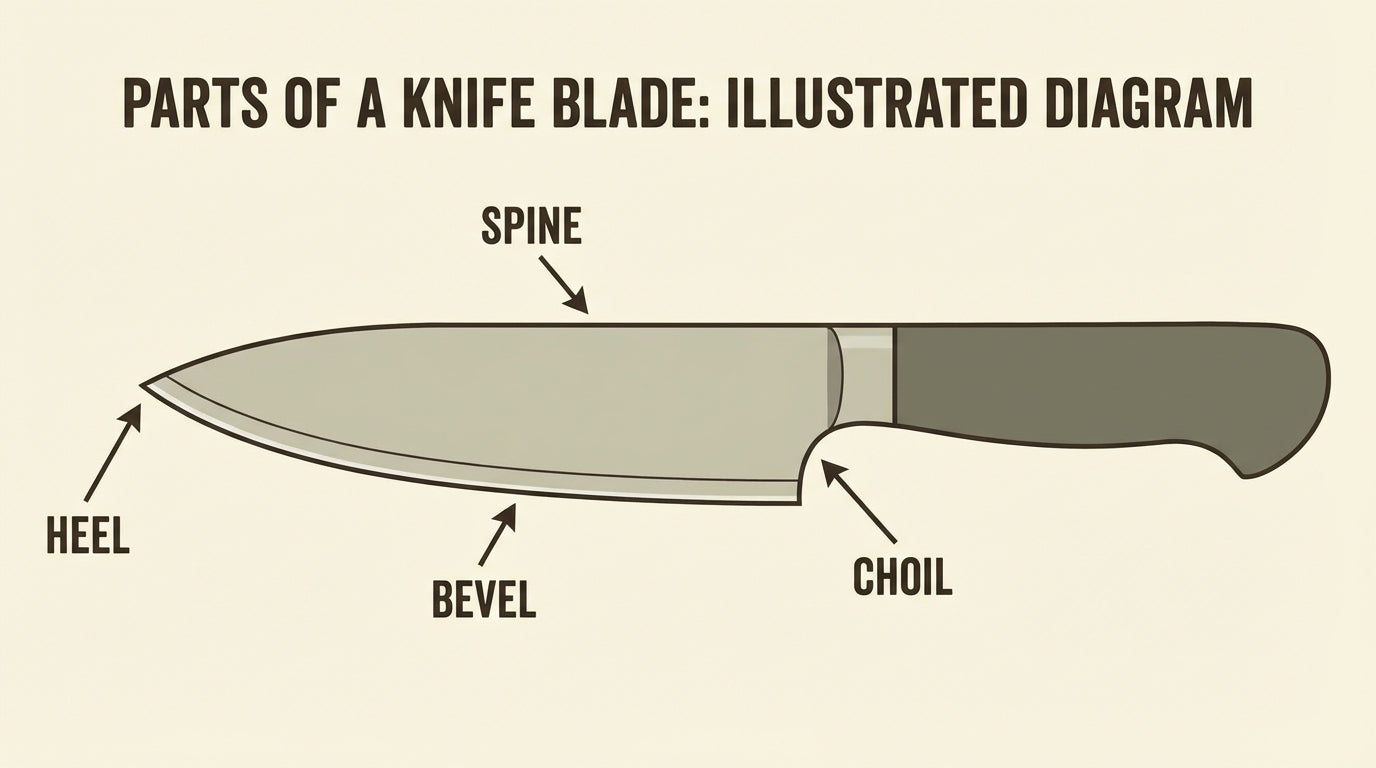
Blade Steel and Geometry
While super-steels are popular, for a defensive knife, toughness often trumps edge retention. You aren't cutting cardboard all day; you need a blade that won't snap if it hits a zipper, belt buckle, or bone.
AR-RPM9 (High Performance Steel): This steel appears frequently in high-value tactical options because it offers a unique balance of corrosion resistance and high toughness. It takes a razor edge easily and holds it well enough for daily tasks, but its structural integrity is what makes it suitable for the high-impact nature of defensive use.
3. Folding Knives: Tactical vs. Utility
There is a fine line between a "work knife" and a "tactical knife." Often, the distinction lies in the intention of the design and the robustness of the materials. However, bigger isn't always better. A massive tactical folder can be difficult to conceal and slower to deploy.
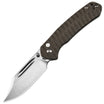
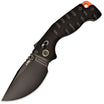
Consider the CJRB Riff. The Riff is presented as a rugged, full-size button-lock tactical folder with a roughly 3.5″ AR-RPM9 blade and sturdy handle scales, aligning closely with "defensive EDC" discussions. Its size, blade length, and locking system make it a strong example when comparing "pure work knives" vs. "tactical-leaning designs." It highlights that while you need robustness, the ergonomics must support a firm grip without being overly aggressive.

4. Fixed Blades vs. Folders: The Reliability Debate
In the debate of the best fighting knife, the fixed blade is king regarding reliability. A fixed blade has no moving parts, no lock to fail, and requires no fine motor skills to deploy other than drawing it from a sheath. However, they are harder to conceal and legally more restricted in many urban areas.
The Case for the Fixed Blade
If your local laws permit, carrying a fixed blade removes the "failure to deploy" variable. You simply grab and go. They are inherently stronger than any folder.
For a versatile option, look at the CJRB Mutt – All-Purpose Fixed Blade. This is a compact full-tang fixed blade with a practical harpoon drop point, giving strong penetration and control. It can double for camping, utility, and emergency self-defense use. The Mutt allows us to compare the legality of carrying small fixed blades vs. locking folders in different regions, serving as a "multi-role" example rather than a purpose-built weapon. It proves that a defensive tool can also be a dedicated outdoor companion.
Neck Knives and Backup Options
Sometimes, pocket carry isn't an option, or you need a backup. Neck knives or "pocket fixed blades" (carried loosely in the pocket with a sheath) offer alternative deployment methods.
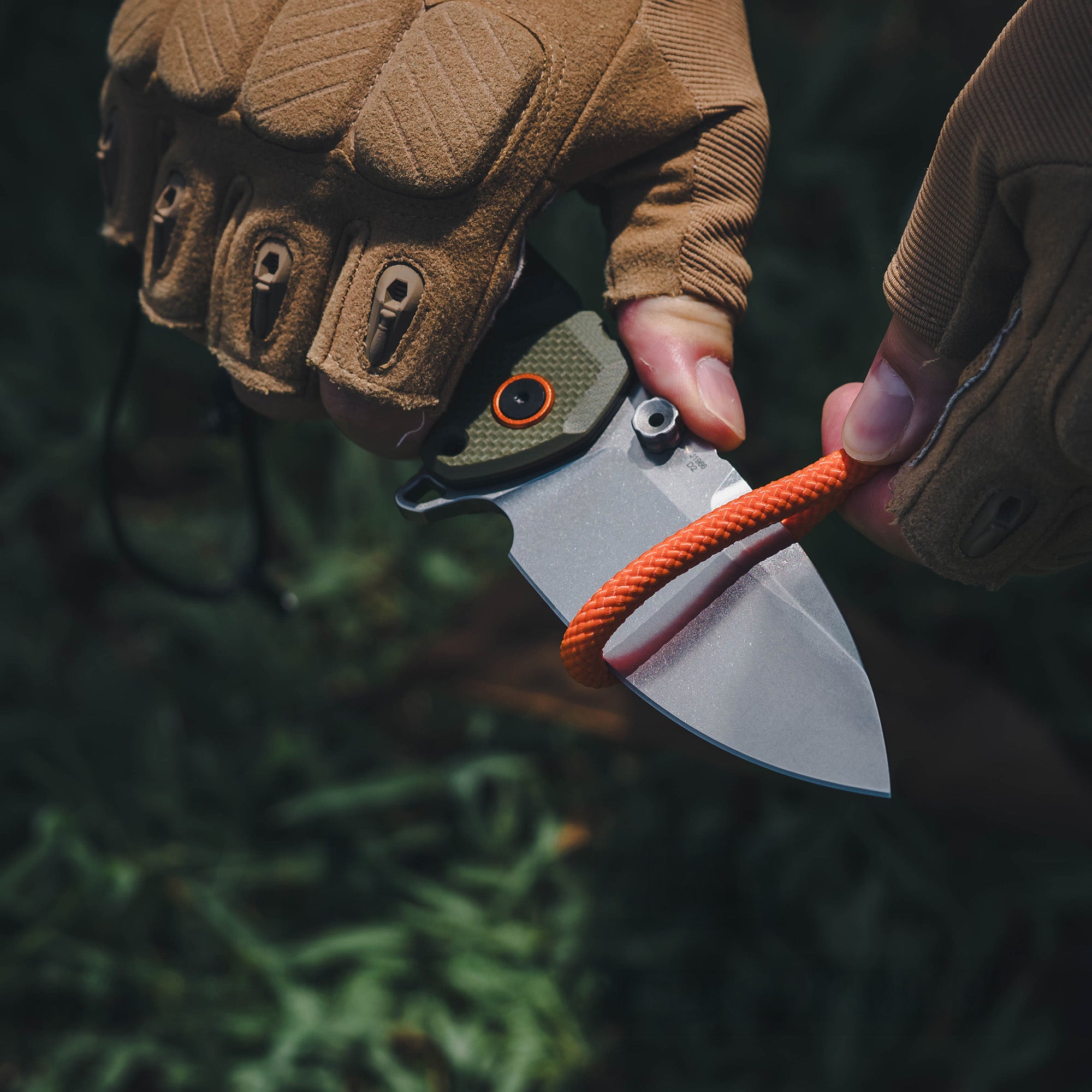
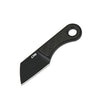
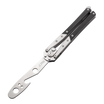
The CJRB Chip – Compact Neck / Pocket Fixed Blade represents this category perfectly. It is a very compact fixed blade in AR-RPM9 with a cleaver profile, carried with a sheath as a neck knife or pocket fixed blade. This allows you to contrast fixed vs. folding self-defense options and their legal implications. Its minimalist design and secure sheath support discussions on safe carry positions, quick access, and why some jurisdictions prefer or restrict fixed blades over folders.
5. Legality: The Most Important Feature
You can have the most expensive, lethal tactical knife in the world, but if it is illegal to carry, it is useless to you. Worse, if you use an illegal knife in a legitimate self-defense scenario, you may face prosecution for possession of a prohibited weapon.
Key Legal Metrics to Check:
- Blade Length: Many jurisdictions (e.g., UK, parts of California, NYC) have strict length limits (often 3 inches or 2.5 inches).
- Locking Mechanism: Some areas (like the UK and Germany) restrict locking knives for carry without "good reason."
- Deployment: Switchblades (automatics), gravity knives, and balisongs are frequently banned. Assisted openers are often in a grey area.
- Concealment: Carrying a fixed blade concealed is a felony in many US states, whereas carrying a folder concealed is often legal.

6. How to Carry and Maintain Your Defensive Knife
Owning the knife is step one. carrying it effectively is step two.
Carry Positions
- Strong Side Pocket: The most common. Ensure the clip is tight so the knife doesn't pull out when you draw.
- Appendix Carry (IWB): often used for fixed blades like the CJRB Mutt. highly accessible but requires practice.
- Neck Carry: Suitable for small blades like the CJRB Chip. Great for summer carry when you don't have a belt.
Maintenance for Reliability
A dull knife is dangerous because it requires more force to cut, increasing the chance of slipping. Regular maintenance includes:
- Cleaning: Lint in the pivot is the enemy of deployment. Clean your pivot area with compressed air regularly.
- Lubrication: A drop of light oil on the ceramic bearings (like those in the Pyrite or Lago) ensures the blade flies open.
- Sharpening: Keep the edge toothy. A polished mirror edge looks nice, but a coarser edge (600 grit) bites into clothing and material better in a defensive context.
7. Conclusion
Choosing the best fighting knife is a balance of compromises. You need a tool that is large enough to be effective but small enough to be legal and comfortable. It must be fast to deploy but safe to close. It requires a steel that is tough enough to withstand impact without shattering.
Whether you choose the sleek, gentlemanly reliability of the CJRB Pyrite Family, the robust crossbar security of the CJRB Maximal, or the fixed-blade dependability of the CJRB Mutt, remember that the tool is only as good as the user. Train with your equipment, understand the laws where you live, and always prioritize avoidance and de-escalation over confrontation.

FAQ: Common Questions About Self-Defense Knives
1. Is a fixed blade better than a folding knife for self-defense?
Generally, yes, in terms of pure reliability and strength. A fixed blade like the CJRB Mutt cannot close on your fingers and has no mechanical parts to fail. However, folding knives are much easier to carry legally and discreetly in everyday environments. The "best" choice depends on your local laws and clothing style.
2. What is the best blade steel for a fighting knife?
For self-defense, toughness is more important than extreme edge retention. You want a steel that won't chip or snap under stress. AR-RPM9 is an excellent choice as it provides high corrosion resistance (sweat/blood) and high toughness (impact), making it reliable for defensive folders like the CJRB Riff.
3. Can I legally carry a knife for self-defense?
This is a complex legal area. In many places, stating you carry a knife specifically for "self-defense" (a weapon) creates legal liability or intent to harm. It is often legally safer to carry a knife as a "utility tool" that can be used for defense in an emergency. Always check your local jurisdiction's specific penal codes regarding blade length, locking mechanisms, and concealed carry.
4. Why is a button lock or crossbar lock recommended over a liner lock?
Under stress, fine motor skills deteriorate. Closing a liner lock requires placing your thumb in the path of the closing blade, which can be dangerous if your hands are shaking or slippery. Mechanisms like the button lock on the CJRB Pyrite or the crossbar lock on the CJRB Maximal allow you to open and close the knife while keeping your fingers completely out of the blade's path, enhancing safety.



Leave a comment
All comments are moderated before being published.
This site is protected by hCaptcha and the hCaptcha Privacy Policy and Terms of Service apply.