



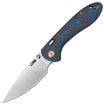
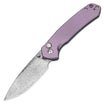

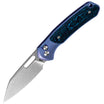

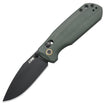
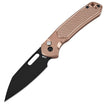
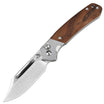
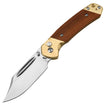
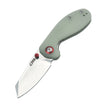
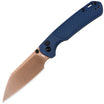
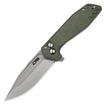
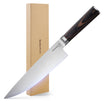


Owning a damascus blade is more than just having a cutting tool; it is an investment in functional art. The mesmerizing, water-like patterns found on these knives are the result of careful craftsmanship, layering, and etching. However, without proper care, these distinct patterns can fade, and the high-carbon elements often found in Damascus steel can succumb to corrosion.
This professional guide will walk you through the essential steps to clean, oil, and store your Damascus knives to ensure they remain as sharp and striking as the day you bought them.

Why Damascus Steel Requires Special Care
Unlike standard stainless steel knives, a damascus blade often consists of alternating layers of hard and soft steels. While modern manufacturing has improved corrosion resistance, the texture and etching that give Damascus its signature look can trap moisture and debris. Regular maintenance preserves the contrast of the acid-etched pattern and prevents oxidation.
The Modern Standard: CJRB's Damascus Series
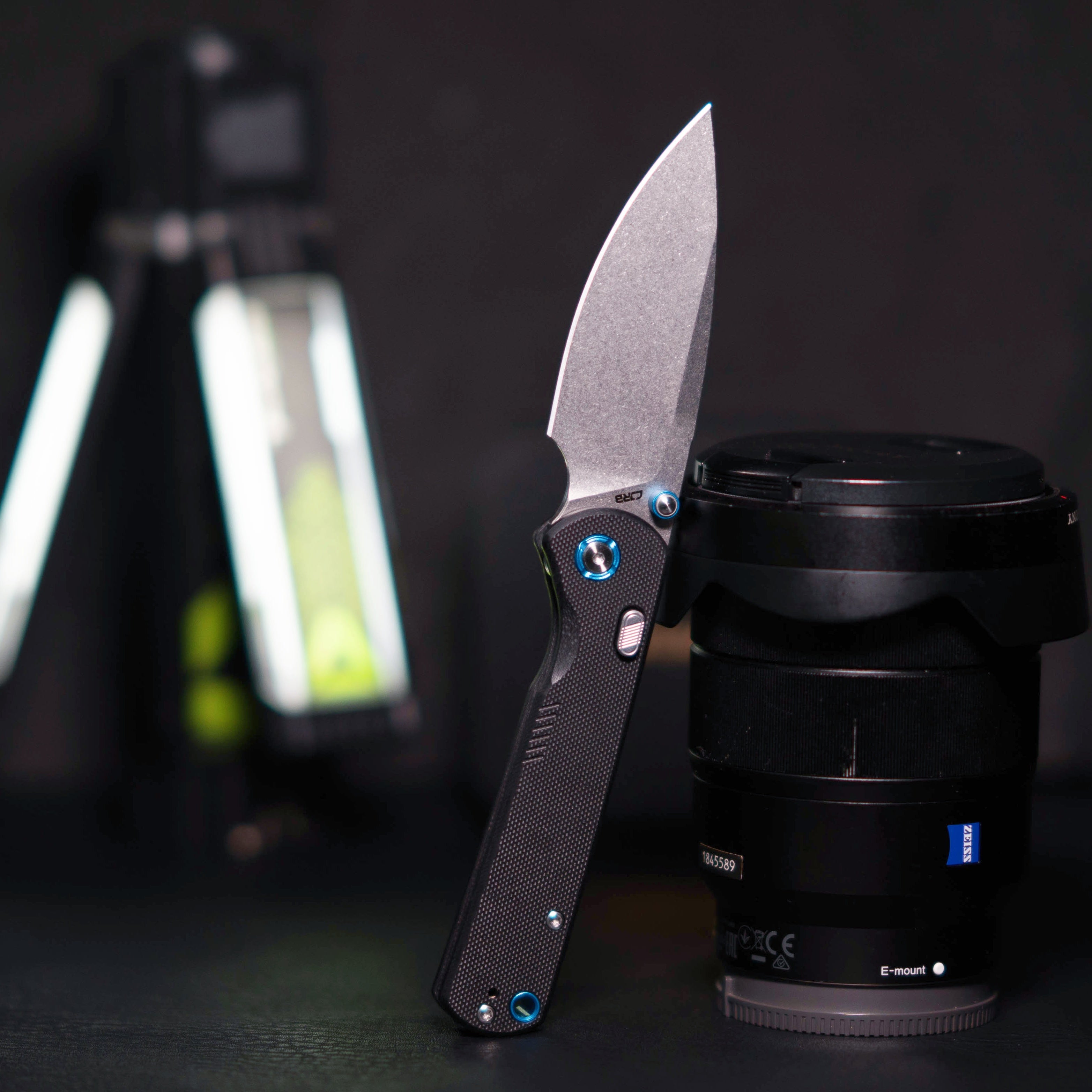
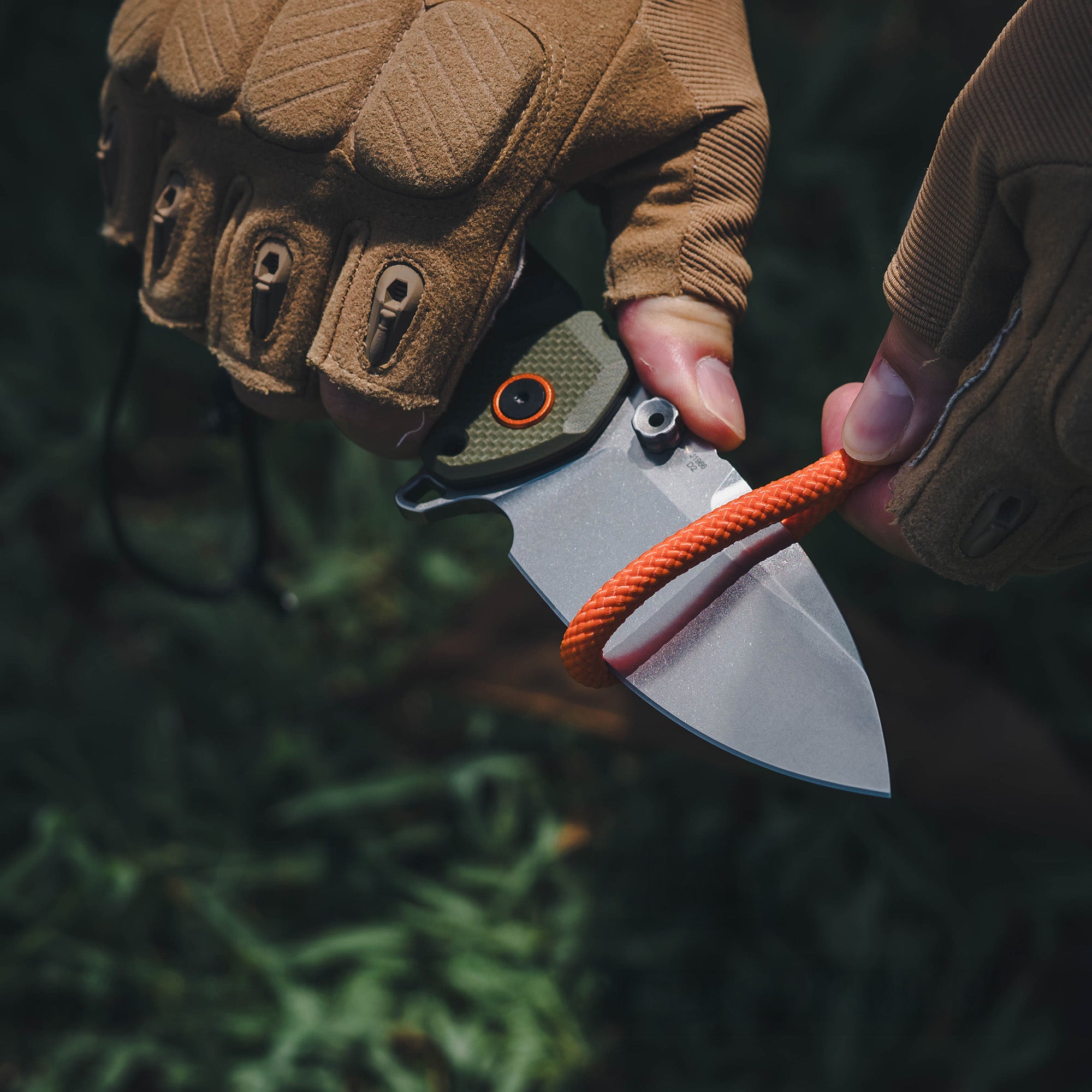
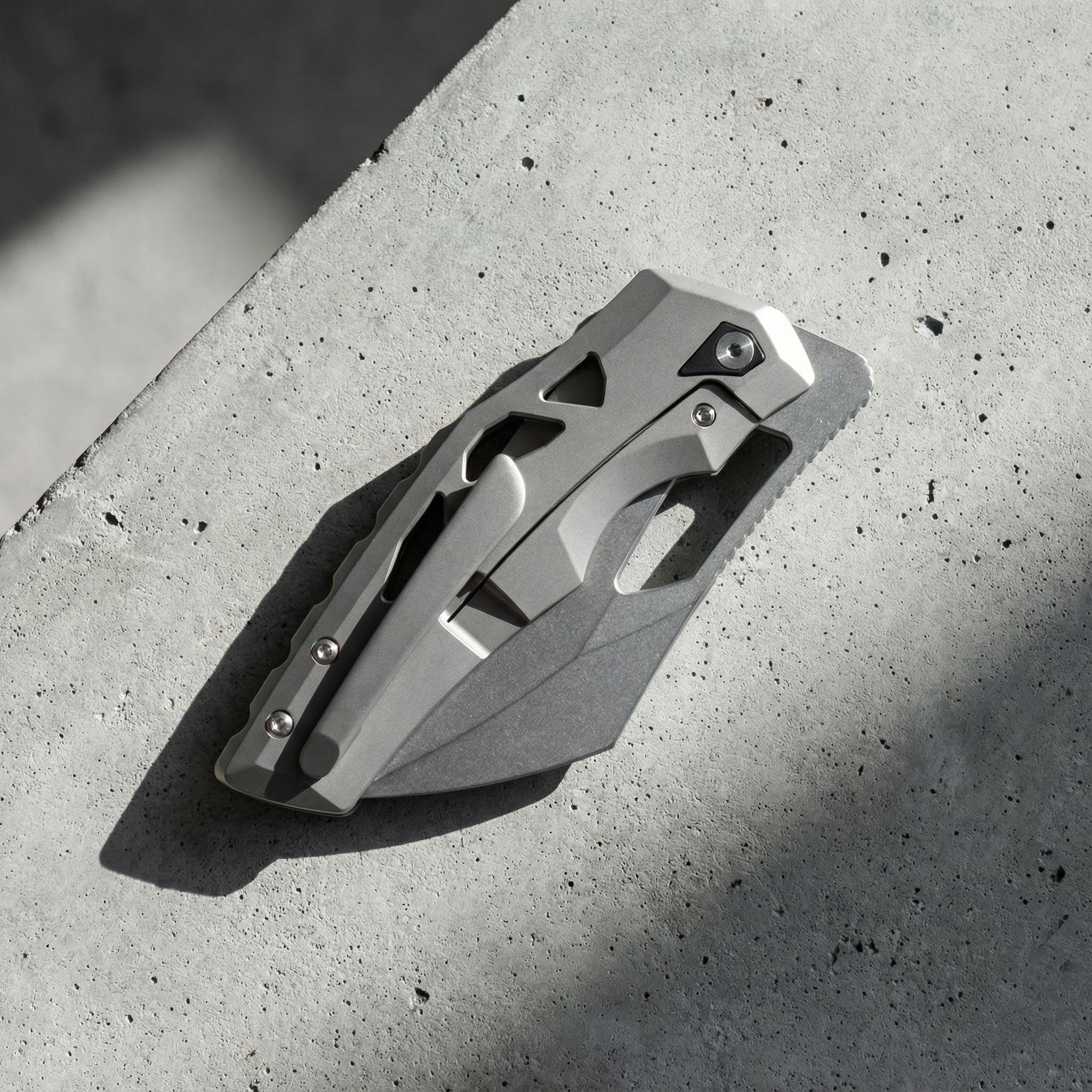
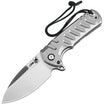
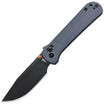
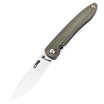
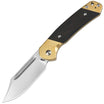
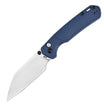
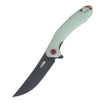
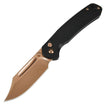
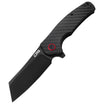
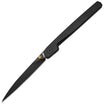
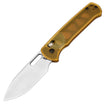
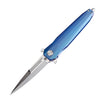
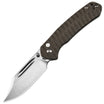
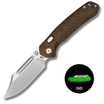
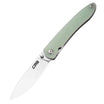
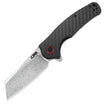
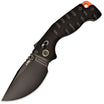
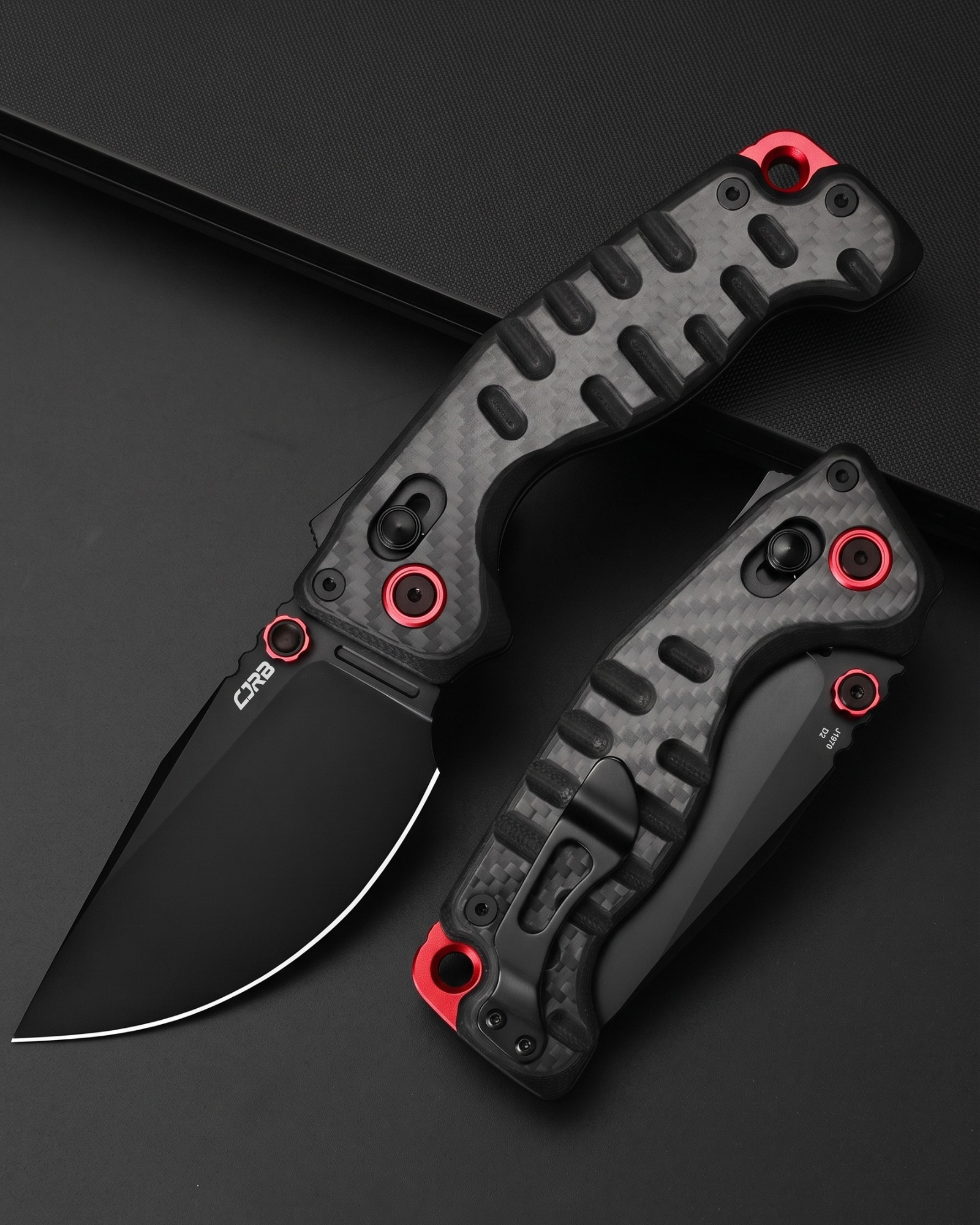
When discussing maintenance, it is helpful to look at modern examples that balance traditional aesthetics with contemporary performance. CJRB's Damascus knife series is designed to be both a hardworking tool and a display-worthy piece. Every CJRB Damascus blade features a unique flowing pattern, giving each knife a “fingerprint-like” look that comes back to life when properly cleaned and wiped down.
CJRB uses modern Damascus steel constructions that offer a strong balance of hardness, edge retention, and toughness. This means a simple maintenance routine keeps the edge sharp and ready for real use. Furthermore, with good corrosion resistance compared to many traditional carbon steels, CJRB Damascus blades are easy to keep rust-free through basic cleaning, drying, and occasional oiling.

Before you begin, gather the following supplies. Using the right tools prevents accidental scratches or damage to the blade's finish.
- Microfiber Cloths: For lint-free drying and polishing.
- Warm Water & Mild Dish Soap: Avoid harsh chemicals or chlorine-based cleaners.
- Mineral Oil or Knife Lubricant: Food-safe mineral oil is excellent for blades used for food prep; dedicated knife oils (like Rem Oil) are great for EDC (Everyday Carry).
- Cotton Swabs: To clean the pivot mechanism and handle crevices.
- Compressed Air: To blow out lint from the folding mechanism.
Step-by-Step Cleaning Guide
Step 1: Gentle Cleaning
Rinse the blade under warm running water. Apply a small amount of mild soap to a soft sponge or cloth. Gently wipe the blade from the spine toward the edge. Do not use steel wool or abrasive scouring pads, as these will scratch the etched pattern and ruin the visual contrast.
Step 2: Mechanism and Handle Care
For folding knives, debris often accumulates in the pivot. Many CJRB Damascus models pair the patterned blade with practical grinds and blade shapes, making it easy to clean along the bevels. However, the pivot requires attention. Use compressed air to dislodge pocket lint.
The Damascus line covers premium handle materials like titanium, carbon fiber, and lightweight FRN. If you own a CJRB's Damascus knife with a G10 or Carbon Fiber handle, a simple scrub with a toothbrush and soapy water works wonders. For Titanium handles, wipe down with Windex or a similar non-abrasive cleaner to remove finger oils.
Step 3: Thorough Drying (Critical)
Moisture is the primary enemy of Damascus steel. Immediately after washing, dry the knife completely with a microfiber cloth. Pay special attention to the pivot area and the inside of the handle liners.

Oiling and Protection
Once dry, the steel pores need protection. A thin layer of oil acts as a barrier against moisture in the air.
- Apply 1-2 drops of oil to the blade.
- Spread it evenly across the surface using a clean cloth.
- Wipe off any excess; the blade should look sheeny, not wet.
- For the pivot: Smooth opening systems and modern pivot hardware give knives like the CJRB models a refined action. Apply a pin-point drop of lubricant to the pivot bearings to maintain this action.
Comparison of Protective Oils
Choosing the right oil depends on how you use your knife. Consult the table below for a quick comparison.
| Oil Type | Best Application | Pros | Cons |
|---|---|---|---|
| Food-Safe Mineral Oil | Kitchen & Food Prep | Non-toxic, inexpensive, readily available. | Evaporates faster; requires frequent re-application. |
| Synthetic Knife Oil | EDC & Folding Knives | Long-lasting, excellent lubrication for pivots. | Usually not food-safe; more expensive. |
| Renaissance Wax | Long-term Display | Hard protective shell, does not attract dust. | Difficult to apply; not a lubricant. |
Storage Best Practices
Never store your Damascus knife in a leather sheath for extended periods. Leather absorbs moisture from the air and contains tannins that can corrode the steel. Instead, store your collection in a dry environment, such as a wooden display box, a knife roll, or a pelican-style case with foam inserts.
CJRB focuses on delivering enthusiast-grade performance at an accessible price, so owners can enjoy a Damascus blade that rewards regular cleaning and care without feeling overly delicate. With ergonomic and often lightweight handle designs, these knives are quick to wipe down and dry after use, fitting perfectly into an easy, repeatable maintenance routine.

Conclusion
Maintaining a damascus blade is a ritual that connects you to the tool. By following these steps—cleaning gently, drying thoroughly, and oiling regularly—you ensure your knife remains a reliable tool and a beautiful showpiece.
Whether you are looking to start your collection or upgrade your EDC, CJRB's Damascus knife collection offers multiple options available directly on their site with worldwide shipping. Now that you know how to maintain them, you can confidently choose your next blade.
FAQ: Common Questions About Damascus Blades
Damascus Blade Care FAQ
Q: Can I use WD-40 on my Damascus blade?
A: WD-40 serves primarily as a solvent rather than a lubricant and is not recommended for long-term protection. To ensure proper preservation, utilize mineral oil or dedicated knife lubricants.
Q: Why is my Damascus pattern fading?
A: Patterns may appear faint due to surface debris or the gradual wear of oxidation layers. A thorough cleaning and oiling often restores contrast. If the etching has physically eroded, the blade may require professional re-etching.
Q: How should I remove active rust without damaging the pattern?
A: For light surface rust, apply oil and gently scrub using 0000 (extra fine) steel wool. Avoid coarse sandpaper or abrasive compounds, as these will remove the dark oxidation layers defining the Damascus pattern.
Q: Is it safe to cut food with my Damascus knife?
A: Yes, provided the steel is maintained with food-grade mineral or camellia oil. Exercise caution with acidic foods (e.g., lemons, tomatoes), as prolonged exposure can react with the carbon steel and alter the etching contrast.
Q: Should I store the knife in its leather sheath?
A: Long-term storage in leather is discouraged, as it traps moisture and tannins that accelerate corrosion. Ideally, store your knife in a dry environment, lightly oiled, and wrapped in acid-free paper or a nylon case.



Leave a comment
All comments are moderated before being published.
This site is protected by hCaptcha and the hCaptcha Privacy Policy and Terms of Service apply.