


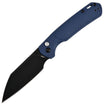
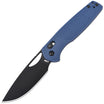
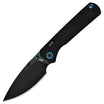
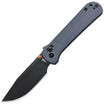
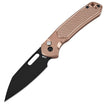
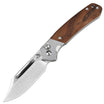
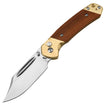
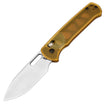

I still remember the first time I realized my pocket knife wasn't just a tool—it was a lifeline. I was miles from the nearest paved road, trying to cut through a tangled fishing line that had wrapped itself around a prop, and the cheap gas station folder I had in my pocket snapped. That moment changed how I look at what we put in our pockets. It set me on a fifteen-year journey to find the best edc setup possible.
If you are reading this, you probably share that same itch. You want gear that works when you need it, looks good when you don't, and fits your life perfectly. But the biggest question in 2026 remains the same as it was decades ago: should you carry a fixed blade or a folding knife?
There is no single right answer, only the right answer for you. In this guide, I'm going to break down everything I've learned about blade geometry, carry comfort, and the eternal battle between static strength and mechanical convenience. We will look at real-world applications, not just spec sheets.

Defining the Best EDC for 2026
When we talk about the best edc (Everyday Carry), we aren't talking about a survival machete you strap to your leg for the apocalypse. We are talking about the tool you reach for to open a package, slice an apple, or break down cardboard recycling.
For a long time, the industry pushed the idea that bigger is better. Thankfully, that trend is dying. The focus now is on efficiency and materials. We are seeing steels that hold an edge for months and handle materials that feel like a handshake from an old friend.
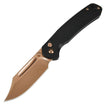
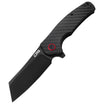
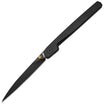
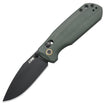
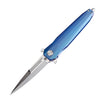
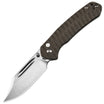
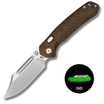
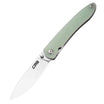
To start, let's look at the EDC Knives currently dominating the conversation. The market has shifted towards tools that balance weight with capability. Whether you choose fixed or folding, the goal is the same: maximum utility with minimum bulk.
The Folding Knife: Convenience King
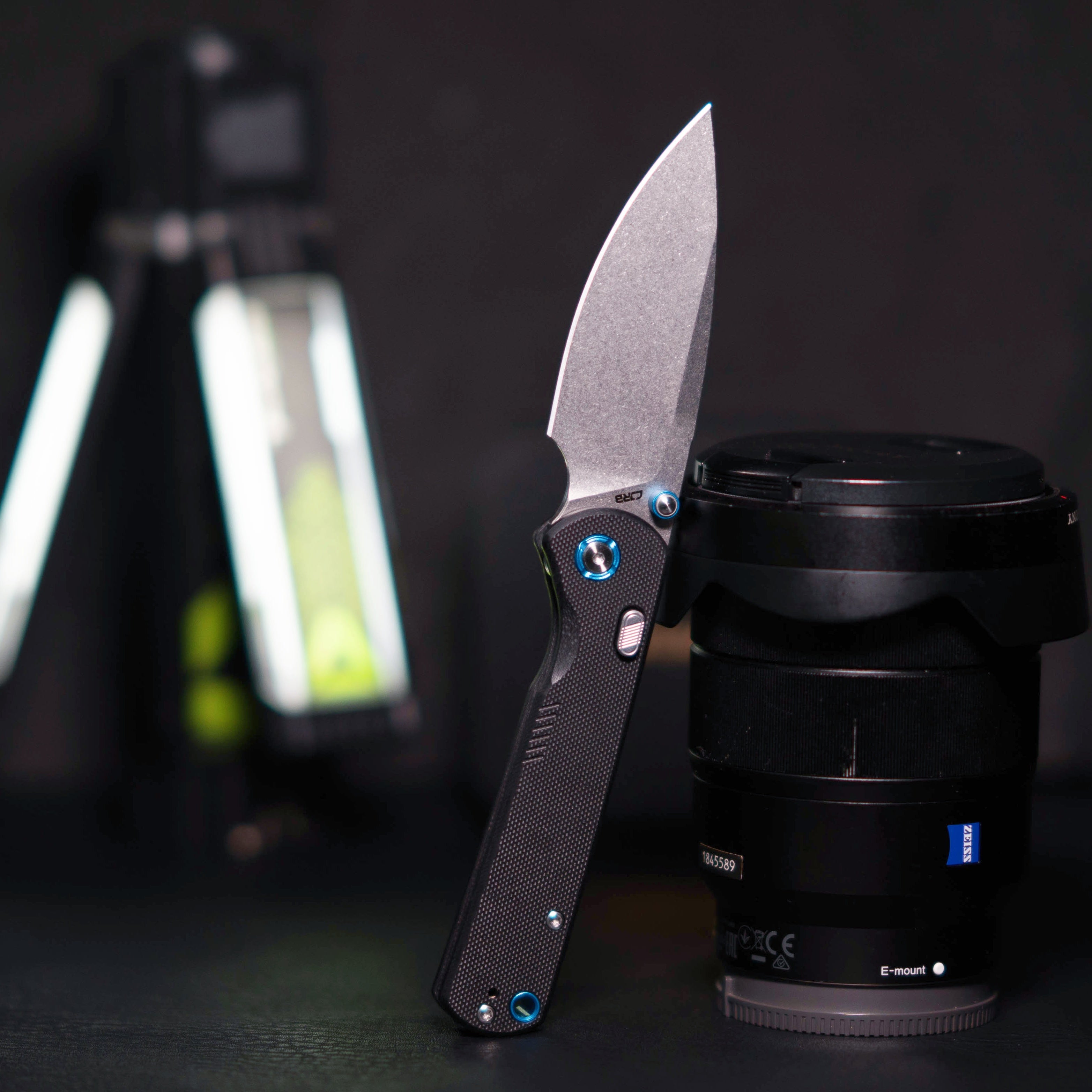
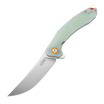
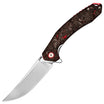
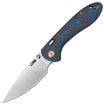
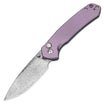
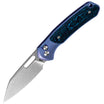
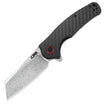
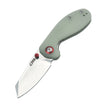
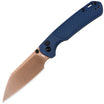
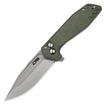
Most of us start here. A folding knives simple definition is pretty straightforward: it is a knife where the blade pivots into the handle, allowing it to be carried safely in a pocket without a sheath. But modern folders are anything but simple engineering-wise.
The primary advantage of a folder knife is discreetness. You can drop it in your pocket, clip it to your waistband, or slip it into a suit jacket, and nobody knows it's there until you need it. For office environments or urban settings, this is usually the deciding factor.
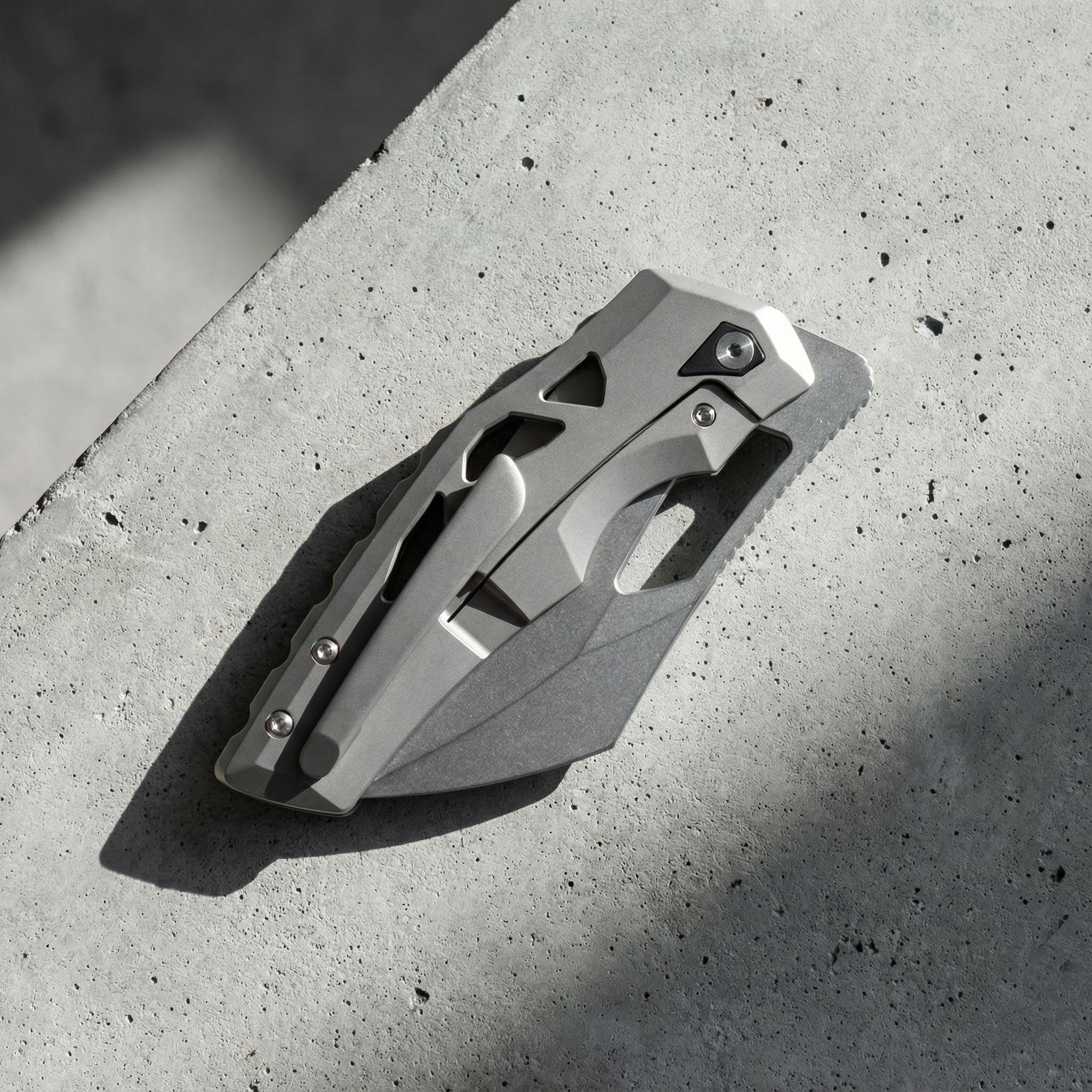
I have handled hundreds of Folding Knives over the years, and the evolution of locking mechanisms is impressive. We have moved past simple slip joints to locks that can support hundreds of pounds of pressure. However, a folding knife will always have a mechanical pivot point, which introduces a potential point of failure that fixed blades simply don't have.
- Extremely compact
- Discreet carry (deep carry clips)
- Fidget factor (fun to open/close)
- Socially acceptable in public
- Moving parts can fail
- Harder to clean (lint in pivot)
- Slower deployment (usually)
- Weaker than full tang
The Rise of the Tactical Folder
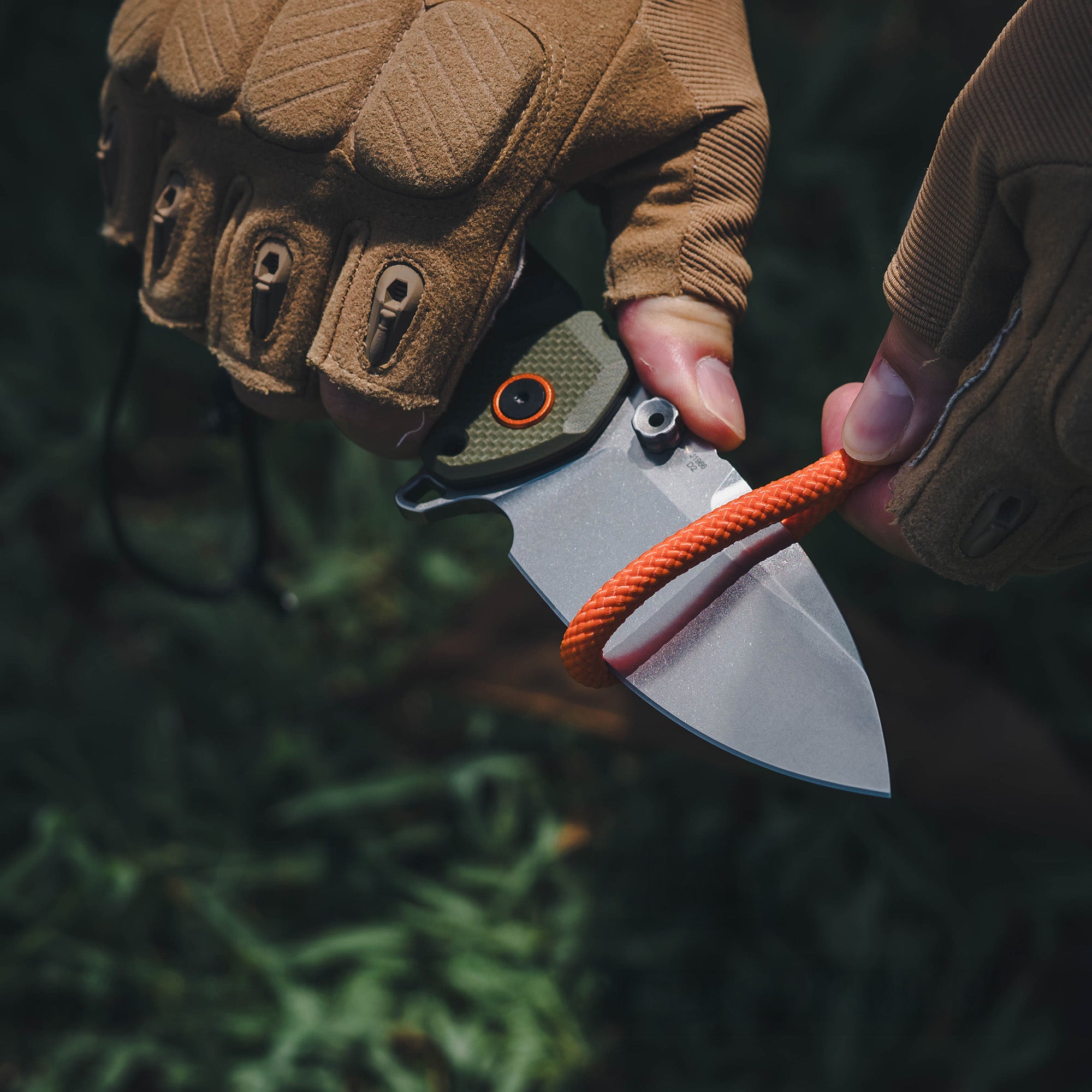
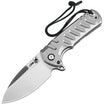
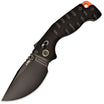
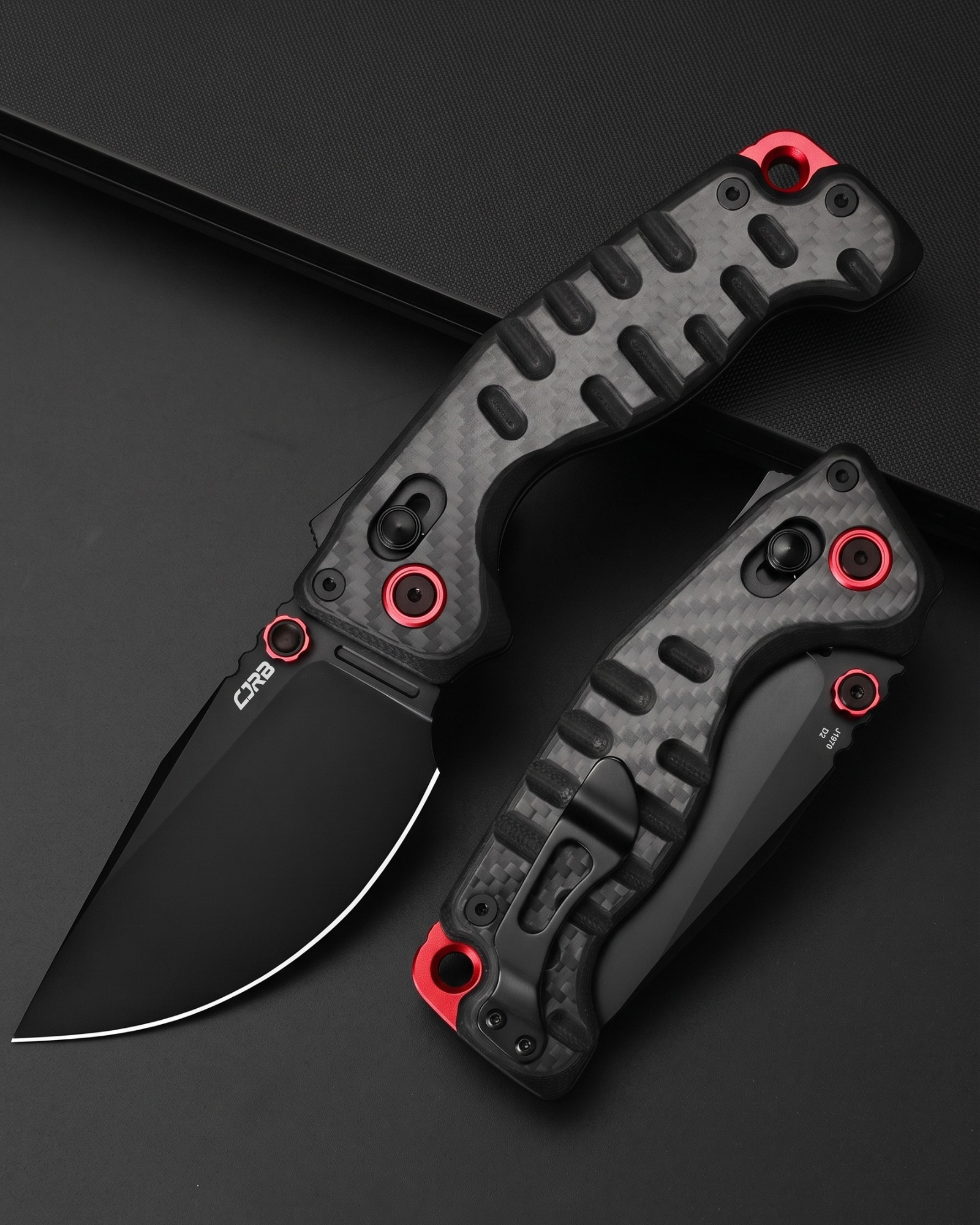
There is a specific subset of folders that bridges the gap between utility and defense: the tactical folding knife. These aren't your grandfather's pen knives. They feature aggressive texturing, faster deployment methods (like thumb studs or flippers), and usually a darker, non-reflective finish.
If you work in law enforcement or just prefer a tool that feels substantial, checking out Tactical Knives is a must. Just remember that "tactical" shouldn't mean "impractical." The best tactical folder is one that can still cut an apple without looking like a murder weapon.
The Fixed Blade: Uncompromising Strength
Let's be honest: there is something primal and satisfying about a fixed blade. There are no moving parts to break, no pivots to get gunked up with sand or lint, and no lock to fail when you are putting pressure on the spine.
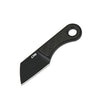
A fixed blade edc used to mean carrying a bulky leather sheath on your belt that screamed "I have a knife." That's changed. With modern Kydex sheaths and horizontal carry straps (scout carry), you can carry a fixed blade just as discreetly as a folder.
I've noticed a huge surge in popularity for Fixed Knives among people who work with their hands. If you are cutting drywall, stripping wire, or processing game, the reliability of a solid piece of steel is unmatched. You pull it out, you cut, you put it away. Zero fuss.
When looking for the best fixed blade everyday carry, size control is vital. You don't need a 7-inch blade for daily tasks. A 3-inch blade with a full handle is often the sweet spot. It gives you enough control for detail work but enough length for slicing food.

Material Matters: Micarta vs G10
Once you decide on the mechanism, you have to choose what you're holding. The handle material dictates how the knife feels in your hand, especially when wet or cold. Two dominant materials in the mid-to-high-end market are Micarta and G10.
The debate of micarta vs g10 is one of the most common discussions in knife forums. Here is my take after using both extensively.
G10 is a fiberglass laminate. It is incredibly tough, impervious to moisture, and can be textured to feel like sandpaper. It is the pragmatic choice. If you drop it in oil, you wipe it off, and it's like new. It doesn't change color or patina over time.
Micarta, on the other hand, is a composite of linen, canvas, or paper in resin. It has a warmer, softer feel. It absorbs oils from your hand, darkening over time to create a custom look unique to you. In my opinion, Micarta offers better grip when your hands are wet because the fibers swell slightly.
If you want a tool that stays looking factory-new forever, go with G10. If you want a tool that develops character and feels more organic, Micarta is the winner.
Blade Shapes: Why Geometry Wins
You can have the best steel in the world, but if the blade shape is wrong for your tasks, it will be frustrating to use. While drop points are common, I want to highlight the clip point knife.
A clip point features a blade that looks like the forward third of the spine has been "clipped" off. This creates a finer, sharper point. For EDC tasks like piercing plastic packaging, digging out a splinter, or detail carving, the fine tip of a clip point is superior to the broader tip of a drop point.
Many classic Pocket Knives utilize this shape for a reason. It is a hunter's favorite that transitioned perfectly into the urban jungle. Just be careful with the tip—because it is finer, it is also more fragile. Do not use your knife as a pry bar (seriously, stop doing that).
Finding Your Best Everyday Carry
Choosing the best everyday carry knife comes down to honesty. You have to be honest about what you actually do every day.
The Office Warrior
If you work in a corporate setting, pulling out a large fixed blade to open a letter will get you sent to HR. You need a slim, elegant folder. Look for something with a deep-carry pocket clip that disappears against your trousers. Weight should be under 3 ounces.
The Tradesperson
If you are on a job site, you are likely wearing gloves. You need a knife that is easy to open with one hand, or better yet, a fixed blade that you can just grab. G10 handles are better here for their impact resistance. You might prioritize a serrated edge for cutting rope or straps.
The Outdoors Enthusiast
Hikers and campers often benefit from a "two-knife system." Carry a larger fixed blade in your pack for heavy work (wood processing) and a smaller pocket knife for food prep and quick tasks. Reliability is key here; you are often far from replacement tools.

The Verdict: Which Should You Buy?
After years of testing, here is my conclusion on the Fixed vs. Folding debate.
Choose a Folder If:
You prioritize convenience and ease of carry. You work in an environment where large knives are frowned upon. You enjoy the mechanics of a well-tuned machine. It is the versatile choice for 90% of people.
Choose a Fixed Blade If:
You do heavy, repetitive cutting tasks. You work in dirty, sandy, or wet environments where a pivot could jam. You want absolute peace of mind regarding lock failure. It is the specialist's choice.
Ultimately, the best knife is the one you actually have on you. Don't buy a $400 custom knife if you are too afraid to scratch it. Buy a tool you are willing to use, maintain, and rely on.
FAQ: Common Questions About EDC Knives
1. What is the legal limit for carry knives?
This varies wildly by location. Generally, blades under 3 inches are safe in most places, but some cities ban locking knives or fixed blades entirely. Always check your local laws before carrying.
2. How often should I sharpen my EDC knife?
It depends on usage and steel type. For average daily use (opening boxes, mail), a light stropping once a week keeps it razor sharp. A full sharpening on stones might only be needed every few months.
3. Can a folding knife be as strong as a fixed blade?
Technically, no. A fixed blade is a solid piece of steel. A folder has a pivot. However, modern heavy-duty locks (like the Tri-Ad or compression locks) are strong enough that the difference is irrelevant for 99% of cutting tasks.
4. Why are some knives so expensive?
You pay for materials (powder steels like S35VN or M390 cost more to source and machine), tolerances (smooth action requires precision), and quality control. A cheap knife cuts; a quality knife lasts.
5. Is a serrated or plain edge better for EDC?
For most people, a plain edge is better. It makes clean cuts and is much easier to sharpen. Serrations are only superior for cutting fibrous materials like rope or seatbelts.


1 comment
Gunner 70
This was a great article! Thanks for sharing! It was nice to see the pros and cons of each without bias that took the common sense approach. I like both and it really does depend on how each one is used, there is no wrong answer. Thanks again for sharing.
Leave a comment
All comments are moderated before being published.
This site is protected by hCaptcha and the hCaptcha Privacy Policy and Terms of Service apply.