




Legal note: This page is a CJRB educational summary, not legal advice. Connecticut knife law can change, and local, federal, school, courthouse, airport, workplace, event, public-property, private-property, and transit rules may add restrictions. Use the source links below as a starting point and consult a qualified attorney for legal advice.
Last checked: July 25, 2026 · Primary sources: official state code, Justia, and official local/agency sources listed below
Connecticut Knife Law Snapshot
Short version: Connecticut has strict carry rules for several knife categories, including dirk knives, switch knives, automatic-spring knives with blades over 1.5 inches, stilettos, and knives with edged blade portions four inches or more, subject to statutory exceptions.
Knives with edged blade portions four inches or more are restricted when carried.
Switch knives and automatic-spring knives over 1.5 inches are listed.
Dirk knives and stilettos are listed.
Exceptions exist but are narrow and fact-specific.
Can You Carry a Knife in Connecticut?
| Situation | What it means | Status | Source |
|---|---|---|---|
| Knife edged blade portion under 4 inches | Lower risk than longer blades, but switch, automatic, dirk, stiletto, school, and local rules can still matter. | Medium caution | CGS section 53-206 |
| Knife edged blade portion 4 inches or more | Connecticut lists knives with edged blade portions four inches or more in the dangerous-weapons carry statute. | Restricted | CGS section 53-206 |
| Switch knife or automatic spring-release knife over 1.5 inches | These are separately listed in the carry prohibition. | Restricted | CGS section 53-206 |
| Dirk knife or stiletto | Dirk knives and stilettos are listed in the carry prohibition. | Restricted | CGS section 53-206 |
| Work, hunting, fishing, trapping, moving, repair, martial arts, and authorized events | Section 53-206 includes several exceptions, but they should not be stretched into general EDC permission. | Narrow exception | CGS section 53-206 |
Knife Type Notes
Use this as a practical EDC check. Ownership, open carry, concealed carry, place restrictions, age, and intent can be separate questions.
| Knife type | State summary | Carry risk |
|---|---|---|
| Small pocket knives | Lower risk if under 4 inches and not otherwise listed. | Medium |
| Switchblades / automatic knives | High risk if over 1.5 inches. | High |
| Dirks / stilettos | Listed restricted categories. | High |
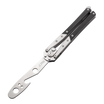
| Balisongs | No balisong-specific text found in the reviewed source; blade length and dangerous-weapon analysis still matter. | Medium |
Exceptions and Local Rules
Place-based and local rules are where many EDC mistakes happen. Check the exact school, courthouse, airport, park, transit system, workplace, venue, and private-property rule before carrying.
| Rule area | What to know | Status | Source |
|---|---|---|---|
| Statutory exceptions | Exceptions cover specific work, moving, repair, recreation, and authorized contexts. | Caution | CGS section 53-206 |
| Local/property rules | No statewide knife preemption found in reviewed sources, so cities, schools, employers, and venues should be checked. | Caution | Local code review |
Practical EDC Checklist
-
01Start with knife type: Confirm whether the knife is ordinary utility carry or a listed/restricted weapon category.
-
02Check carry method: Open carry and concealed carry can be treated differently.
-
03Check the place: Schools, courthouses, airports, jails, public buildings, parks, and private venues often have stricter rules.
-
04Check age and status: Minors, prohibited persons, and restricted-license contexts can change the answer.
-
05Avoid weapon-like conduct: Threatening display, unlawful intent, or criminal-use facts can turn a tool into a legal problem.
Relevant Legal Sources
| Source | Why it matters | Status | Citation |
|---|---|---|---|
| CGS section 53-206 | Carrying dangerous weapons prohibited and exceptions. | Source | CGS section 53-206 |
| CGS section 53a-3 | Deadly weapon and dangerous instrument definitions. | Source | CGS section 53a-3 |
Get the 50-State Knife Law Cheatsheet
Enter your email and CJRB will send the EDC knife law checklist with state notes, status labels, and source links.


Leave a comment
All comments are moderated before being published.
This site is protected by hCaptcha and the hCaptcha Privacy Policy and Terms of Service apply.